
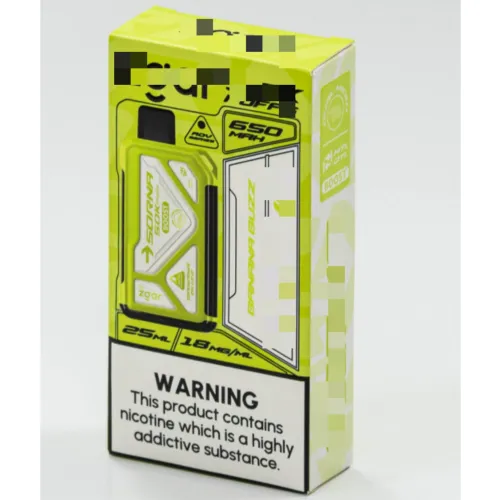
In today's competitive retail environment, first impressions determine purchasing decisions within seconds. A color box serves as far more than just a container—it functions as a silent salesperson on the shelf, communicating brand identity and product value before a customer even reads the label. The visual impact of a color box directly influences whether a shopper picks up your product or reaches for a competitor's offering. Understanding how a color box improves shelf appeal and strengthens brand recognition is essential for any business looking to maximize market presence and consumer loyalty.
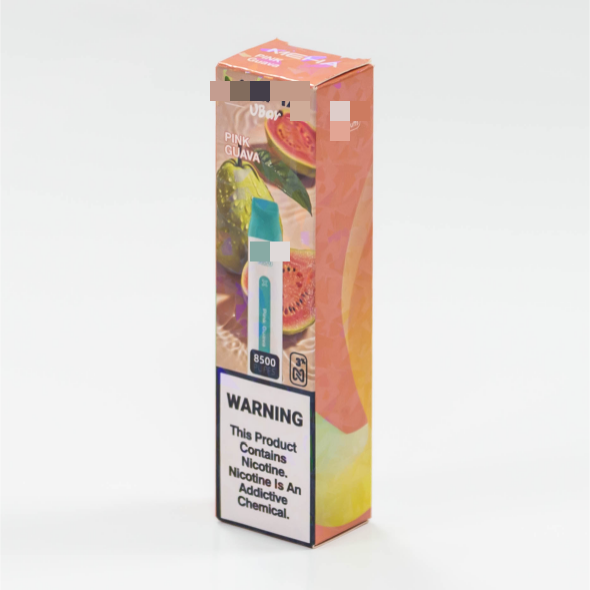
The strategic use of color in packaging is not accidental—it is backed by consumer psychology research and retail science. A well-designed color box captures attention, communicates brand values, and creates emotional connections with target audiences. When executed properly, a color box becomes an investment in brand equity, driving shelf visibility and consumer recall. This article explores the multifaceted ways a color box enhances retail performance and how strategic color choices translate into measurable business results.
The Psychology of Color in Retail Packaging
How Color Perception Drives Purchase Decisions
Consumer psychology reveals that approximately 80 percent of purchasing decisions are influenced by color alone. A color box operates within this powerful psychological framework, using hue, saturation, and contrast to trigger emotional responses and brand associations. When a shopper's eye lands on your color box among dozens of competing products, the color palette determines whether their brain registers intrigue or indifference. Red, for instance, stimulates urgency and appetite, making red a color box choice common in food and beverage industries. Blue conveys trust and stability, which is why a color box in professional or financial sectors frequently incorporates this hue.
Brand Color Association and Consistency
A color box that consistently reflects your brand's core colors creates visual recognition across all touchpoints. When consumers repeatedly encounter your distinctive color box design, neural pathways strengthen, and brand recall improves substantially. This is why leading brands maintain strict color guidelines for their color box packaging—consistency builds familiarity, which transforms into trust and preference. A color box that deviates from brand standards confuses consumers and dilutes the cumulative impact of marketing investments. The most successful color box designs are instantly recognizable, even when seen peripherally or at a distance on a crowded shelf.
Shelf Appeal and Visual Hierarchy
Standing Out Among Competitors
Retail shelves are battlegrounds for attention. A color box must compete against dozens or even hundreds of alternatives in a matter of seconds. Strategic color contrast in your color box design ensures that it breaks through visual clutter and captures the eye before competitors do. Complementary colors, bold saturations, and thoughtful use of white space within a color box create visual hierarchy that guides the consumer's gaze toward key product information. A color box that blends into the background fails its fundamental purpose, regardless of product quality. The most effective color box solutions use color as a tool for differentiation and shelf dominance.
Visual Hierarchy and Information Communication
Beyond mere attention capture, a color box must communicate product information efficiently. Color zones within a color box direct attention to product names, key features, and calls to action. A color box using a primary color for branding, secondary colors for product differentiation, and accent colors for urgency creates a visual pathway that improves information retention. Consumers process visual information before reading text, so a well-structured color box color scheme communicates value propositions without relying solely on typography. The sophistication of a color box design lies in its ability to balance visual appeal with functional clarity.
Brand Recognition and Long-Term Equity
Creating Lasting Brand Impressions
A distinctive color box becomes part of your brand's visual identity and contributes to long-term equity. When consumers think of your brand, the colors and design elements of your color box come to mind instantly. This brand recall translates into repeat purchases, premium pricing power, and customer loyalty. A color box that evolves thoughtfully over time can refresh brand perception without alienating existing customers who recognize the iconic color box design. Investment in a high-quality color box design is investment in brand capital that compounds over years and decades.
Multi-Channel Brand Consistency
Today's consumers encounter brands across physical retail, e-commerce, social media, and digital advertising. A color box design that translates seamlessly across these channels reinforces brand recognition and creates a cohesive consumer experience. When your color box appears consistent whether viewed on a shelf, in an online product listing, or in an advertisement, brand trust strengthens. A color box adapted for color box photography and digital display requires color accuracy and visual clarity. The integration of a color box into omnichannel marketing strategies amplifies its role as a brand ambassador across all consumer touchpoints.
Practical Implementation and Industry Applications
Color Box Customization for Market Segments
Different market segments and consumer demographics respond to different color palettes in a color box design. Luxury brands often employ sophisticated, minimalist color box designs with neutral tones and metallic accents. Family-oriented brands use vibrant, inclusive color box colors that appeal to children and parents alike. A color box targeting eco-conscious consumers might incorporate earth tones and sustainable imagery. The customization of your color box color palette based on target market research ensures that design decisions are strategic rather than arbitrary. Regional preferences also influence color box color choices, as cultural associations with colors vary globally.
Measuring and Optimizing Color Box Performance
Data-driven approaches to color box design improvement rely on sales metrics, consumer testing, and shelf performance tracking. A/B testing different color box variations reveals which color combinations drive higher conversion rates and shelf visibility. Retail scanning data provides insights into whether your color box design correlates with increased market share and consumer engagement. Focus groups and consumer surveys gather qualitative feedback on how the color box resonates emotionally and aesthetically with target audiences. Continuous optimization of your color box design based on real-world performance ensures that packaging investments deliver measurable return on investment.
FAQ
What specific colors work best for a color box design?
The best color for a color box depends on your industry, target audience, and competitive landscape. Primary colors like red, blue, and yellow grab attention effectively. However, the most successful color box designs combine psychology-backed color choices with thorough market research and competitor analysis. Consider conducting consumer testing with different color box prototypes to determine which colors resonate most strongly with your specific target demographic.
How does a color box affect consumer purchasing behavior directly?
Research shows that a distinctive color box can increase purchase intent by 80 percent in many product categories. The visual impact of a color box triggers rapid brand recognition, reduces decision fatigue, and builds consumer confidence in product quality. A memorable color box design encourages repeat purchases and word-of-mouth marketing. The strategic use of color in a color box essentially shortens the mental distance between consumer need and product choice on the shelf.
Can a color box improve e-commerce sales alongside physical retail?
Absolutely. A color box that photographs well and displays clearly in digital formats enhances online product listings and social media marketing. E-commerce platforms increasingly rely on visual presentation, and a distinctive color box design stands out in thumbnail images and product carousels. Consistency between your physical color box and its digital representation builds consumer trust and reduces return rates caused by unmet visual expectations.