
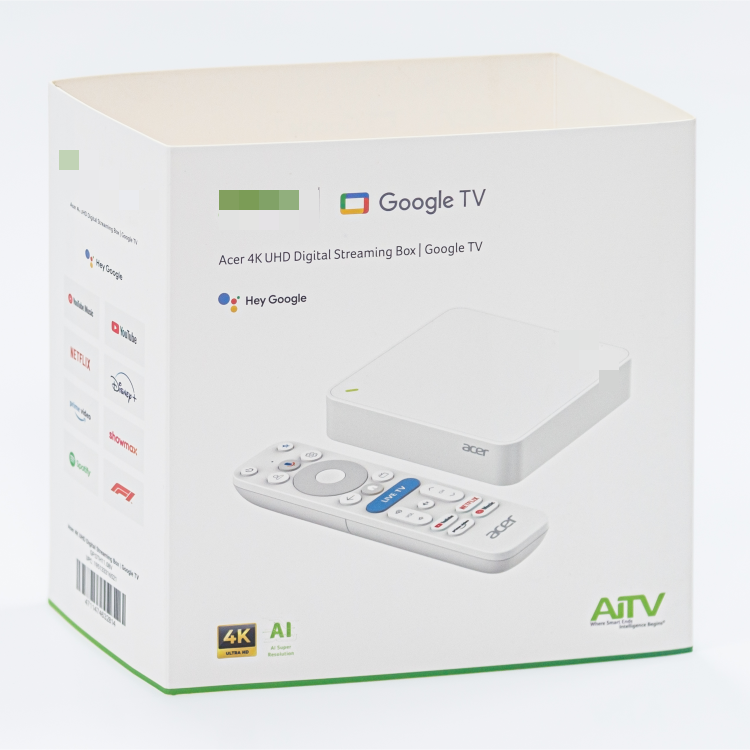
In today's environmentally conscious marketplace, businesses are increasingly seeking sustainable packaging solutions that align with their brand values while delivering exceptional customer experiences. An eco-friendly packaging box represents more than just a container; it serves as a powerful marketing tool that communicates your brand's commitment to environmental responsibility. Modern consumers actively seek out brands that demonstrate genuine environmental stewardship, making sustainable packaging choices a competitive advantage in virtually every industry sector.
The integration of sustainability with effective branding strategies has revolutionized how companies approach their packaging design processes. An eco-friendly packaging box can be extensively customized to reflect brand identity while maintaining environmental integrity throughout the production and lifecycle phases. Understanding the various customization options available enables businesses to create packaging solutions that resonate with their target audience while supporting broader sustainability initiatives.
Material Selection and Environmental Impact
Recycled and Renewable Material Options
The foundation of any eco-friendly packaging box lies in its material composition, which directly influences both environmental impact and branding potential. Recycled cardboard and paperboard materials offer excellent customization opportunities while significantly reducing the carbon footprint associated with packaging production. These materials can be sourced from post-consumer waste streams, creating a circular economy approach that appeals to environmentally conscious consumers and business partners alike.
Renewable materials such as bamboo fiber, wheat straw, and hemp-based composites are increasingly available for eco-friendly packaging box applications. These alternative materials provide unique texture and appearance characteristics that can enhance brand differentiation while supporting sustainable sourcing practices. The natural variations in these materials can be leveraged as design elements, creating authentic and organic brand experiences that resonate with target audiences.
Biodegradable and Compostable Solutions
Biodegradable materials offer another avenue for creating an eco-friendly packaging box that supports comprehensive branding strategies. Plant-based polymers and cellulose-derived materials can be engineered to provide specific performance characteristics while maintaining complete biodegradability under appropriate conditions. These materials can be customized with various surface treatments and printing techniques to achieve desired branding outcomes.
Compostable packaging materials extend the environmental benefits by allowing consumers to dispose of packaging through existing composting infrastructure. An eco-friendly packaging box designed with compostable materials can include educational branding elements that inform consumers about proper disposal methods, creating additional touchpoints for brand engagement and environmental education initiatives.
Design Customization Techniques
Sustainable Printing and Graphics
Water-based and soy-based inks provide environmentally responsible options for printing graphics and branding elements on an eco-friendly packaging box. These sustainable printing solutions deliver vibrant colors and sharp image quality while eliminating harmful volatile organic compounds typically associated with conventional printing processes. The selection of appropriate printing techniques can significantly enhance the visual impact of branding elements while maintaining environmental integrity.
Digital printing technologies offer precise customization capabilities for small to medium production runs of eco-friendly packaging box designs. These technologies enable variable data printing, allowing for personalized messaging and regional customization without compromising sustainability goals. The reduced setup requirements and minimal waste generation associated with digital printing make it an ideal choice for brands seeking flexible and sustainable packaging solutions.
Structural Design Innovation
The structural design of an eco-friendly packaging box offers numerous opportunities for brand differentiation and enhanced functionality. Innovative folding patterns and assembly techniques can create unique opening experiences that reinforce brand values while optimizing material usage. These structural innovations can reduce packaging waste while creating memorable unboxing experiences that encourage social media sharing and brand advocacy.
Modular design approaches enable the creation of packaging systems that can be reconfigured for different product sizes and applications. This flexibility reduces the need for multiple packaging SKUs while maintaining consistent brand presentation across diverse product lines. The adaptability of modular eco-friendly packaging box designs supports both sustainability goals and operational efficiency objectives.
Branding Integration Strategies
Color Schemes and Visual Identity
Color selection plays a crucial role in the effectiveness of an eco-friendly packaging box as a branding vehicle. Natural and earth-tone color palettes often align well with sustainability messaging while providing sophisticated design foundations that appeal to premium market segments. These color schemes can be achieved using sustainable pigments and dyes that minimize environmental impact during production and disposal phases.
Brand consistency across packaging elements ensures that an eco-friendly packaging box reinforces existing brand recognition while introducing sustainability messaging. The integration of established brand colors, typography, and graphic elements creates cohesive brand experiences that strengthen consumer connections and support brand recall in competitive retail environments.
Typography and Messaging
Typography selection for an eco-friendly packaging box should balance readability with brand personality while considering the printing capabilities of sustainable production methods. Clean, modern typefaces often work well with sustainable packaging designs, conveying professionalism and environmental consciousness simultaneously. The hierarchy of textual information should guide consumers through key brand messages while highlighting sustainability credentials and product benefits.
Sustainability messaging can be seamlessly integrated into the overall brand narrative presented on packaging surfaces. Clear communication of environmental benefits, certifications, and disposal instructions enhances the value proposition of an eco-friendly packaging box while educating consumers about sustainable practices. This educational approach builds brand trust and positions the company as a thought leader in environmental responsibility.
Functional Customization Features
Protection and Performance
An eco-friendly packaging box must deliver adequate product protection while maintaining environmental credentials and supporting branding objectives. Advanced cushioning systems using recycled and biodegradable materials can provide superior protection compared to traditional packaging foams and plastics. These protective elements can be designed with branded colors and textures that enhance the overall unboxing experience.
Moisture resistance and barrier properties can be achieved through sustainable coating technologies that protect package contents without compromising recyclability or compostability. These functional enhancements ensure that an eco-friendly packaging box performs reliably throughout the supply chain while maintaining its environmental benefits and brand presentation quality.
User Experience Enhancement
Easy-opening mechanisms and intuitive assembly features improve the consumer interaction with an eco-friendly packaging box while reinforcing positive brand associations. Perforated tear strips, thumb notches, and fold-back closures can be integrated into sustainable designs without compromising structural integrity or environmental performance. These user-friendly features demonstrate attention to customer needs while supporting overall brand positioning.
Reusability features extend the lifecycle of an eco-friendly packaging box while providing ongoing brand exposure in consumer environments. Convertible designs that transform packaging into storage solutions, display items, or gift containers create additional value for consumers while reinforcing brand presence beyond the initial purchase experience.
Certification and Compliance Considerations
Environmental Standards and Certifications
Third-party environmental certifications provide credible validation for the sustainability claims associated with an eco-friendly packaging box. Forest Stewardship Council certification, recyclability standards, and compostability certifications can be prominently featured in branding elements to build consumer trust and differentiate products in competitive markets. These certifications serve as powerful branding tools that communicate genuine environmental commitment.
Compliance with regional environmental regulations ensures that an eco-friendly packaging box meets legal requirements while supporting broader sustainability initiatives. Understanding and incorporating these compliance requirements into design processes prevents costly redesigns and ensures consistent brand presentation across different market regions.
Supply Chain Transparency
Transparent communication about supply chain practices enhances the credibility of sustainability claims associated with an eco-friendly packaging box. Traceability information, sourcing details, and production process transparency can be integrated into branding elements to build consumer confidence and support premium positioning strategies.
Supplier partnerships with certified sustainable manufacturers ensure consistent quality and environmental performance for eco-friendly packaging box production. These partnerships can be highlighted in branding materials to demonstrate comprehensive commitment to sustainability throughout the value chain.
Cost Optimization and Market Positioning
Economic Benefits of Sustainable Packaging
The total cost of ownership for an eco-friendly packaging box often compares favorably with conventional packaging when considering waste disposal costs, regulatory compliance expenses, and brand value enhancement. Reduced material usage through optimized design can offset higher material costs while creating distinctive brand experiences that support premium pricing strategies.
Long-term cost benefits include reduced waste management expenses, potential tax incentives for sustainable practices, and enhanced brand equity that supports customer retention and acquisition. These economic advantages make eco-friendly packaging box solutions attractive investments for companies seeking sustainable growth strategies.
Competitive Differentiation
Market positioning strategies can leverage the unique characteristics of an eco-friendly packaging box to create compelling value propositions that resonate with target customer segments. Sustainability leadership messaging, environmental impact reduction claims, and corporate responsibility positioning can differentiate brands in crowded marketplaces while attracting environmentally conscious consumers.
Premium market positioning becomes more achievable when an eco-friendly packaging box delivers superior environmental performance alongside exceptional design quality and functionality. This combination of benefits supports higher price points while building strong brand loyalty among increasingly sophisticated consumer bases.
FAQ
What materials are most suitable for creating an eco-friendly packaging box with excellent branding potential
The most suitable materials for an eco-friendly packaging box include recycled cardboard, FSC-certified paperboard, bamboo fiber composites, and plant-based bioplastics. These materials offer excellent printability for branding while maintaining strong environmental credentials. Recycled cardboard provides cost-effectiveness and widespread recyclability, while bamboo fiber offers unique textures that can enhance brand differentiation. The choice depends on specific performance requirements, budget considerations, and desired brand positioning.
How can printing techniques affect the sustainability of an eco-friendly packaging box
Printing techniques significantly impact the overall sustainability of an eco-friendly packaging box through ink composition, energy consumption, and waste generation. Water-based and soy-based inks eliminate harmful VOCs while providing excellent color reproduction for branding elements. Digital printing reduces setup waste and enables smaller production runs, supporting just-in-time manufacturing strategies. UV-curable inks offer durability without solvent emissions, making them ideal for high-quality branding applications on sustainable packaging materials.
What are the key considerations for ensuring an eco-friendly packaging box remains recyclable after branding customization
Maintaining recyclability in an eco-friendly packaging box requires careful selection of inks, adhesives, and decorative elements used in branding customization. Water-based inks and biodegradable adhesives preserve recyclability while delivering professional appearance quality. Avoiding metallic foils, plastic laminations, and incompatible material combinations ensures that the packaging can be processed through standard recycling infrastructure. Clear labeling with recycling symbols and disposal instructions helps consumers properly handle the packaging after use.
How does the cost of an eco-friendly packaging box compare to traditional packaging options
The initial cost of an eco-friendly packaging box may be higher than traditional alternatives, but total cost of ownership often favors sustainable options when considering disposal fees, regulatory compliance, and brand value enhancement. Volume pricing for sustainable materials has improved significantly as demand has increased, narrowing the price gap with conventional packaging. Additional benefits include reduced waste management costs, potential tax incentives, and premium pricing opportunities that can offset higher material costs while supporting long-term profitability and brand growth.
Table of Contents
- Material Selection and Environmental Impact
- Design Customization Techniques
- Branding Integration Strategies
- Functional Customization Features
- Certification and Compliance Considerations
- Cost Optimization and Market Positioning
-
FAQ
- What materials are most suitable for creating an eco-friendly packaging box with excellent branding potential
- How can printing techniques affect the sustainability of an eco-friendly packaging box
- What are the key considerations for ensuring an eco-friendly packaging box remains recyclable after branding customization
- How does the cost of an eco-friendly packaging box compare to traditional packaging options