
When a product leaves a warehouse and begins its journey through a complex logistics chain, the packaging it travels in becomes its only line of defense. A mailer shipping box is engineered specifically to absorb the physical stresses of transit — from compression and impact to moisture and rough handling — ensuring that what was packed arrives exactly as intended. Understanding how this protection works is essential for any business that ships products regularly and wants to reduce damage rates, returns, and customer dissatisfaction.
The protective performance of a mailer shipping box is not accidental. It results from deliberate structural design, material selection, and construction techniques that work together to manage the forces a package encounters during sorting, stacking, dropping, and delivery. This article breaks down the specific mechanisms by which a mailer shipping box protects its contents, helping businesses make informed decisions about their packaging strategy.
The Structural Design That Absorbs Transit Stress
How Box Geometry Distributes External Force
The shape and geometry of a mailer shipping box play a critical role in how external forces are managed. When a box is dropped or stacked under weight, the load is distributed across the entire surface rather than concentrated at a single point. This load-spreading behavior is a direct result of the rectangular form factor and the interlocking flap closures that reinforce the top and bottom panels.
A well-designed mailer shipping box uses scored fold lines that create precise, tight corners. These corners act as structural columns, transferring compressive loads vertically through the box walls rather than allowing them to buckle inward. The result is a container that maintains its shape even when stacked beneath other packages in a delivery vehicle or warehouse.
This geometric integrity is especially important for fragile or rigid products. When the outer walls of a mailer shipping box hold their form, the internal contents are shielded from deformation forces that would otherwise transfer directly to the product surface.
Self-Locking Closures and Their Role in Containment
Many mailer shipping box designs incorporate self-locking or tuck-in closure systems that eliminate the need for tape while maintaining a secure seal. These closures interlock under tension, meaning the more pressure applied to the outside of the box, the tighter the closure holds. This is a passive protection mechanism that activates precisely when it is needed most.
A secure closure also prevents the box from springing open during transit, which would expose the contents to contamination, moisture, or physical damage. For e-commerce shipments that pass through multiple handling points, a reliable closure on a mailer shipping box is not a convenience feature — it is a structural safety requirement.
The closure design also affects how the box responds to internal pressure. If a product shifts during transit and pushes against the walls, a well-engineered mailer shipping box closure resists that outward force, keeping the package intact through the entire delivery cycle.
Material Composition and Its Protective Properties
Corrugated vs. Rigid Paperboard in Mailer Boxes
The material used to construct a mailer shipping box determines its ability to absorb shock, resist crushing, and maintain structural integrity across varying environmental conditions. The two most common material types are corrugated board and rigid paperboard, each offering distinct protective advantages depending on the application.
Corrugated mailer shipping box constructions feature a fluted inner layer sandwiched between two flat liner sheets. This fluted core acts as a cushioning medium, compressing slightly under impact and then recovering, much like a shock absorber. The air trapped within the flutes also provides a degree of thermal insulation, which can be relevant for temperature-sensitive products.
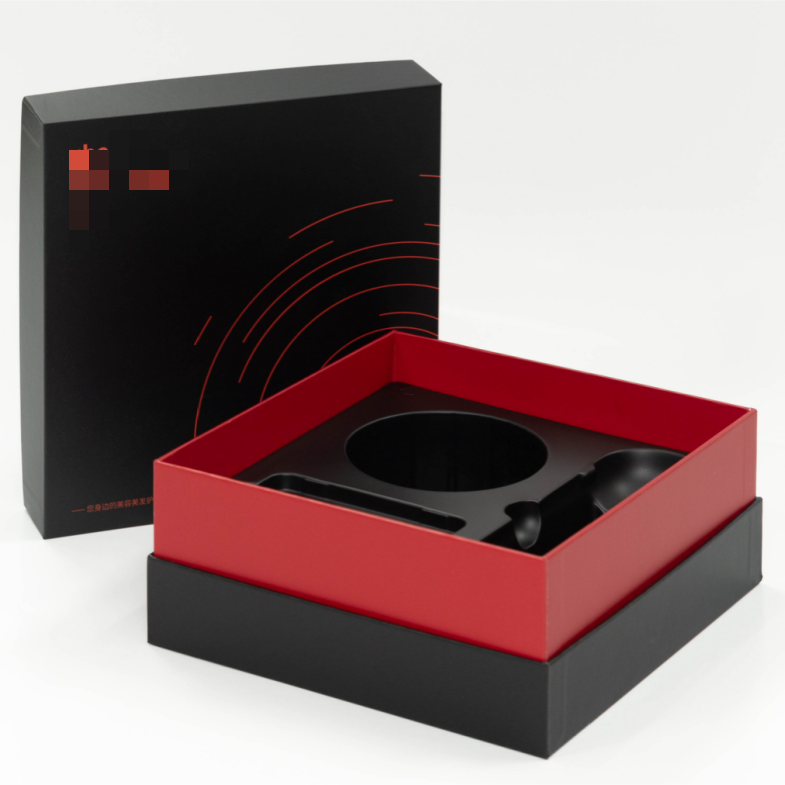
Rigid paperboard mailer shipping box designs, on the other hand, offer superior resistance to surface denting and deformation. They are particularly effective for products that require a premium unboxing experience alongside functional protection, such as electronics, cosmetics, or high-value accessories. The density of rigid board resists puncture and maintains dimensional stability even when the package is compressed from multiple directions.
Wall Thickness and Burst Strength Ratings
The protective capacity of a mailer shipping box is directly linked to its wall thickness and the burst strength of the material used. Burst strength measures how much pressure a board can withstand before it ruptures, and it is a standard metric used in packaging engineering to match box specifications to product weight and fragility.
A heavier or more fragile product requires a mailer shipping box with a higher burst strength rating. Selecting the wrong material grade is one of the most common causes of in-transit damage, because the box fails structurally before the product reaches its destination. Matching material specifications to product requirements is therefore a foundational step in protective packaging design.
Double-wall corrugated options are available for a mailer shipping box used in heavy-duty applications. These constructions double the fluted core layers, significantly increasing both compression resistance and impact absorption without requiring a dramatic increase in box size or weight.
How a Mailer Shipping Box Manages Impact and Vibration
Drop Impact Resistance During Handling
Packages are dropped. This is an unavoidable reality of logistics, and a mailer shipping box must be designed to survive it. During a drop event, kinetic energy is transferred to the box at the moment of impact. The box material absorbs and dissipates a portion of that energy through compression and deformation, reducing the peak force that reaches the product inside.
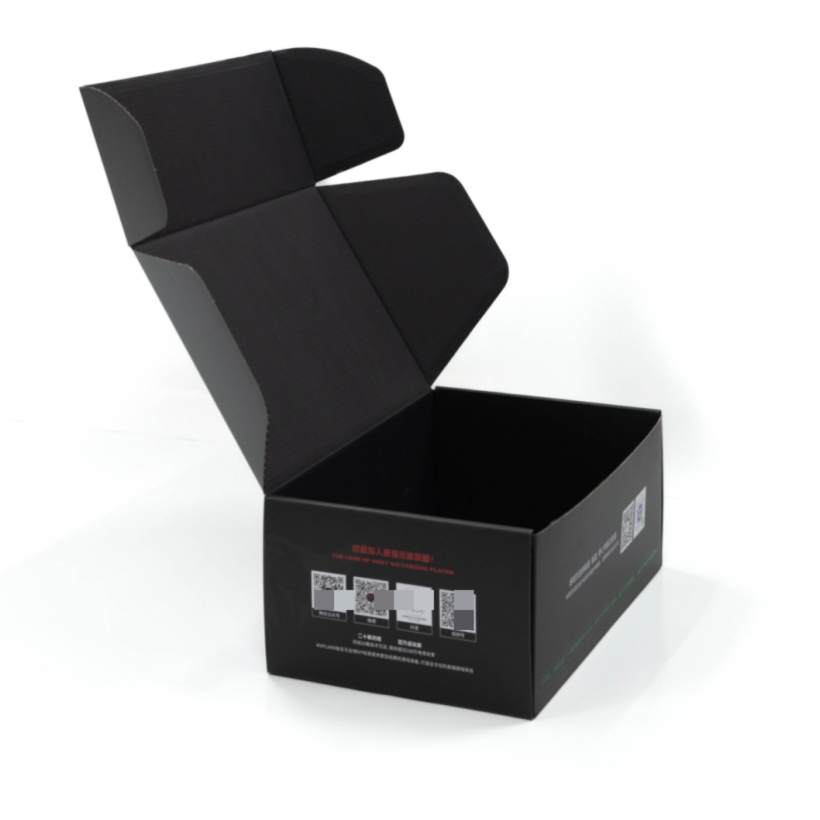
The effectiveness of a mailer shipping box in a drop scenario depends on the material's energy absorption coefficient and the internal fit of the product. A box that is significantly larger than its contents allows the product to move freely and strike the inner walls at high velocity, negating much of the structural protection the box provides. A snug fit, combined with appropriate internal cushioning, maximizes the protective performance of the mailer shipping box.
For products with irregular shapes or protruding components, custom-dimensioned mailer shipping box designs are particularly effective. When the box is sized precisely to the product, the walls themselves act as a first layer of cushioning, and the risk of internal movement during a drop is minimized.
Vibration Fatigue Over Long-Distance Shipments
Beyond single-impact events, products in transit are subjected to continuous low-frequency vibration from vehicle engines, road surfaces, and conveyor systems. Over a long-distance shipment, this vibration can cause surface abrasion, loosening of components, and cumulative structural fatigue in both the product and its packaging.
A mailer shipping box with adequate wall rigidity dampens vibration transmission by acting as a mechanical buffer between the external environment and the product. The denser the board material, the more effectively it attenuates vibration energy before it reaches the contents. This is why material selection for a mailer shipping box should account not only for static compression loads but also for dynamic vibration profiles typical of the intended shipping route.
Adding internal inserts or foam padding within a mailer shipping box further reduces vibration exposure by decoupling the product from the box walls entirely. This combination of structural dampening and internal cushioning provides layered protection that addresses both impact and vibration failure modes simultaneously.
Environmental Protection Offered by a Mailer Shipping Box
Moisture Resistance and Humidity Control
Transit environments are rarely controlled. Packages move through loading docks, delivery vehicles, and outdoor transfer points where humidity, rain, and condensation are constant risks. A mailer shipping box with appropriate surface treatments or coatings provides a meaningful barrier against moisture ingress that could damage products, degrade labels, or compromise packaging integrity.
Water-resistant coatings applied to the outer surface of a mailer shipping box prevent surface saturation that would otherwise weaken the board structure. Once paperboard absorbs moisture, its compression strength drops significantly, making the box far more vulnerable to crushing under stack loads. Moisture resistance is therefore both a product protection feature and a structural preservation feature.
For products that are themselves sensitive to humidity — such as electronics, paper goods, or certain food items — the mailer shipping box can be paired with desiccant inserts or moisture barrier liners to create a more complete environmental seal. The box in this context serves as the primary structural shell, while the internal components address the specific humidity sensitivity of the product.
Dust, Contamination, and Light Exposure
A closed mailer shipping box also protects products from dust accumulation, surface contamination, and in some cases, light exposure. For products that are sensitive to UV light or that must arrive in a pristine, uncontaminated condition, the opaque walls of a mailer shipping box provide passive shielding throughout the entire transit period.
This is particularly relevant for electronics, optical components, and cosmetic products where surface cleanliness directly affects product quality and customer perception. A mailer shipping box that seals tightly and maintains its closure integrity throughout transit ensures that the product inside is protected not just from physical damage but from environmental degradation as well.
The combination of physical, structural, and environmental protection makes the mailer shipping box a comprehensive transit solution rather than simply a container. Each protective function reinforces the others, creating a system that addresses the full range of hazards a product faces between dispatch and delivery.
Customization as a Tool for Enhanced Protection
Sizing Precision and Internal Fit
One of the most impactful ways to enhance the protective performance of a mailer shipping box is through precise sizing. A box that is custom-dimensioned to the product eliminates void space, which is the primary cause of internal movement and impact damage during transit. When the product fits snugly within the mailer shipping box, the walls provide direct support and the risk of the product shifting under vibration or impact is dramatically reduced.
Custom sizing also reduces the need for excessive void fill materials, which can shift during transit and fail to provide consistent protection. A well-fitted mailer shipping box is inherently more protective than an oversized box filled with loose padding, because the structural walls themselves become part of the protective system rather than passive bystanders.
For businesses shipping a consistent product range, investing in custom-dimensioned mailer shipping box specifications is a straightforward way to reduce damage rates without increasing material costs significantly. The reduction in returns and replacement shipments typically offsets the cost of custom tooling within a relatively short production run.
Internal Inserts and Structural Reinforcement
Custom internal inserts — whether made from molded pulp, foam, or die-cut corrugated board — work in conjunction with the mailer shipping box structure to provide targeted protection for specific product geometries. An insert holds the product in a fixed position, distributes impact forces across a larger surface area, and prevents contact between the product and the box walls during a drop event.
For electronic devices, the combination of a rigid mailer shipping box and a precisely molded foam insert is a widely used protective configuration. The box handles external compression and environmental exposure, while the insert manages internal movement and localized impact. This layered approach addresses the full spectrum of transit hazards that a fragile product is likely to encounter.
Structural reinforcement can also be achieved through double-wall construction, corner protectors, or reinforced base panels integrated into the mailer shipping box design. These features add targeted strength at the points most likely to experience stress during transit, without adding unnecessary weight or bulk to the overall package.
FAQ
What makes a mailer shipping box different from a standard shipping carton?
A mailer shipping box is typically designed for direct-to-consumer shipment, featuring self-locking closures, a more compact form factor, and often a higher-quality exterior finish. A standard shipping carton is generally optimized for bulk freight and pallet stacking. The mailer shipping box prioritizes ease of opening, brand presentation, and protection for individual items, while a standard carton focuses on volume efficiency and pallet-level compression resistance.
How do I choose the right mailer shipping box for a fragile product?
Start by assessing the product's weight, fragility, and geometry. Select a mailer shipping box with a burst strength rating appropriate for the product weight, and choose a wall construction — single-wall, double-wall, or rigid board — that matches the fragility level. Add internal inserts or cushioning to eliminate void space and prevent movement. For very fragile items, a custom-dimensioned mailer shipping box with a molded insert provides the highest level of protection.
Can a mailer shipping box protect against moisture during transit?
Yes, but the level of moisture protection depends on the material and surface treatment used. A standard uncoated mailer shipping box offers limited moisture resistance. Boxes with water-resistant coatings or laminated surfaces provide significantly better protection against humidity and incidental water exposure. For products with high moisture sensitivity, pairing a coated mailer shipping box with internal moisture barrier packaging provides the most reliable protection.
Does the size of a mailer shipping box affect how well it protects the product?
Significantly. An oversized mailer shipping box allows the product to move freely during transit, increasing the risk of impact damage when the product strikes the inner walls. A correctly sized mailer shipping box minimizes internal movement and allows the structural walls to provide direct support to the product. Whenever possible, select or specify a mailer shipping box that fits the product with minimal void space, and use internal cushioning to fill any remaining gaps.