
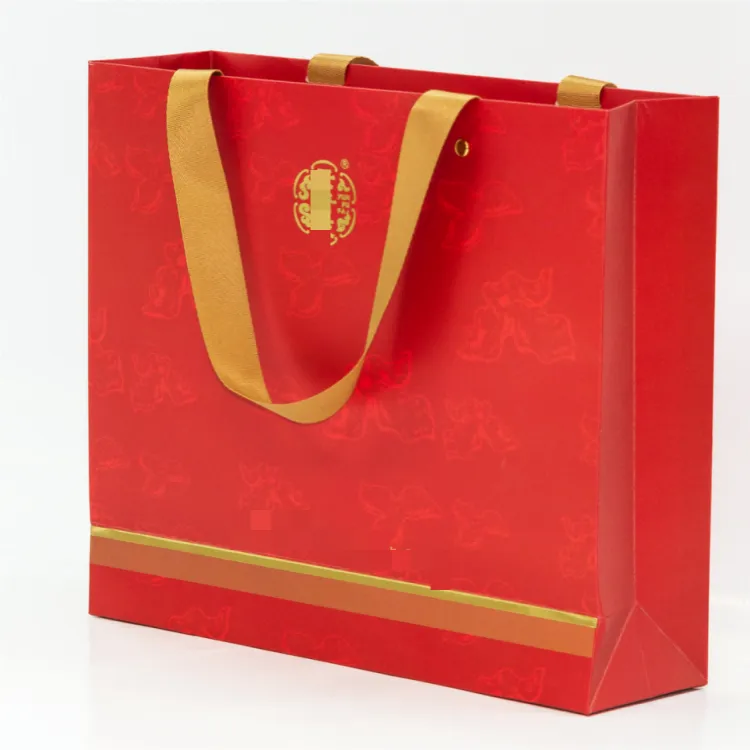
The evolution of large gift box packaging has transformed dramatically across retail and luxury sectors, driven by changing consumer expectations and brand differentiation strategies. Modern businesses recognize that packaging serves as the first physical touchpoint between brand and consumer, making the selection and design of large gift box packaging crucial for market success. Companies across various industries now invest significantly in packaging solutions that not only protect products but also create memorable unboxing experiences that reinforce brand identity and customer loyalty.
Market Dynamics and Consumer Expectations
Shifting Consumer Preferences in Packaging
Consumer behavior studies reveal that modern shoppers increasingly value presentation alongside product quality, with large gift box packaging playing a pivotal role in purchase decisions. Research indicates that over 70% of consumers form their first impression of a brand based on packaging design and quality. This shift has prompted retailers to reconsider their packaging strategies, moving beyond basic protective functions toward creating emotional connections through visual appeal and tactile experiences. The rise of social media has further amplified this trend, as consumers frequently share unboxing experiences online, making attractive large gift box packaging a form of organic marketing.
The demand for sustainable packaging solutions has also influenced how companies approach large gift box packaging design and material selection. Environmentally conscious consumers now expect brands to demonstrate responsibility through eco-friendly packaging choices without compromising on aesthetic appeal or functionality. This has led to innovative approaches combining recycled materials, biodegradable components, and reusable design elements that extend the lifecycle of packaging beyond its initial purpose.
Economic Impact on Packaging Decisions
Economic considerations significantly influence how businesses approach large gift box packaging across different market segments. Luxury brands typically allocate higher budgets for premium packaging materials and complex design elements, viewing packaging as an integral part of their value proposition. Conversely, mass retail sectors focus on cost-effective solutions that maintain brand standards while optimizing production and shipping costs. This economic divide has created distinct packaging ecosystems, with luxury sectors driving innovation in high-end materials and finishes, while retail markets push efficiency and scalability improvements.
Supply chain disruptions and material cost fluctuations have forced companies to reassess their packaging strategies, leading to more flexible approaches that can adapt to changing economic conditions. Many businesses now maintain relationships with multiple suppliers and develop modular packaging designs that can be adjusted based on market conditions without losing brand consistency.
Sector-Specific Adaptations and Strategies
Luxury Market Positioning Through Premium Packaging
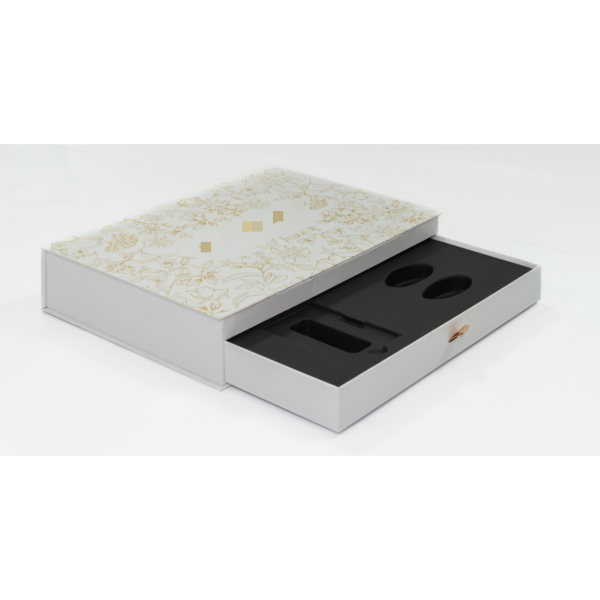
Luxury brands leverage large gift box packaging as a critical component of their brand storytelling and customer experience strategy. These companies invest in premium materials such as rigid cardboard, specialty papers, metallic foils, and custom hardware to create packaging that reflects their product's exclusivity and quality. The attention to detail in luxury large gift box packaging often includes features like magnetic closures, ribbon pulls, foam inserts, and layered unveiling experiences that build anticipation and reinforce the premium nature of the purchase.
Customization capabilities in luxury packaging extend beyond basic branding to include personalization options that create unique experiences for individual customers. Many luxury retailers now offer monogramming, custom color schemes, or limited edition packaging designs that make customers feel valued and special. This level of personalization in large gift box packaging has become a differentiating factor that justifies premium pricing and builds long-term customer relationships.
Retail Efficiency and Brand Consistency
Mass retail sectors approach large gift box packaging with a focus on operational efficiency while maintaining brand recognition and customer satisfaction. These businesses typically standardize packaging dimensions and designs to optimize warehouse storage, shipping costs, and automated handling processes. The challenge lies in creating distinctive packaging that stands out on retail shelves while keeping production costs manageable and maintaining consistency across large volume orders.
Retail brands often employ modular packaging systems that allow for seasonal adaptations or promotional variations without completely redesigning their large gift box packaging infrastructure. This approach enables quick market responses while preserving cost efficiencies and brand recognition elements that customers expect.
Technology Integration and Innovation Trends
Digital Integration in Modern Packaging
Technology integration has revolutionized how companies conceptualize and implement large gift box packaging solutions across all market sectors. QR codes, NFC chips, and augmented reality features now commonly appear on packaging, providing interactive experiences that bridge physical and digital brand touchpoints. These technologies enable brands to extend customer engagement beyond the initial unboxing moment, offering access to exclusive content, product authentication, or loyalty program benefits through their packaging design.
Smart packaging technologies also provide valuable data insights for businesses, tracking customer interactions and preferences that inform future product development and marketing strategies. The integration of these technologies into large gift box packaging designs requires careful consideration of cost implications, target audience technical comfort levels, and the overall brand experience strategy.
Sustainable Innovation and Material Science
Advances in material science have created new possibilities for sustainable large gift box packaging that maintains aesthetic appeal and functional performance. Bio-based materials, recycled content integration, and innovative manufacturing processes now enable companies to reduce environmental impact while meeting quality standards. These developments have been particularly important in luxury markets, where traditional materials like virgin paperboard and plastic components are being replaced with sustainable alternatives that maintain premium appearance and feel.
Circular economy principles are increasingly influencing packaging design decisions, with companies developing large gift box packaging that can be easily recycled, repurposed, or returned for reuse. This approach requires collaboration across supply chains and investment in new production capabilities, but offers long-term benefits through improved sustainability metrics and customer loyalty among environmentally conscious consumers.
Design Principles and Aesthetic Considerations
Visual Impact and Brand Recognition
Effective large gift box packaging design balances visual impact with brand consistency, creating immediate recognition while accommodating product-specific requirements. Color psychology plays a crucial role in packaging design decisions, with different sectors employing distinct color palettes to evoke desired emotional responses from their target audiences. Luxury brands often favor sophisticated color combinations with metallic accents, while retail brands may opt for brighter, more accessible color schemes that photograph well for social media sharing.
Typography selection in large gift box packaging requires careful consideration of legibility, brand personality, and production constraints. Custom typography can create distinctive brand recognition, but must be balanced against production costs and international market requirements. Many companies develop flexible typography systems that can adapt to different packaging sizes and production methods while maintaining brand consistency.
Functional Design Elements
Beyond aesthetic considerations, successful large gift box packaging incorporates functional design elements that enhance user experience and product protection. Structural design innovations include easy-open features, secure closure mechanisms, and internal organization systems that present products attractively while preventing damage during shipping and handling. These functional elements must be seamlessly integrated into the overall design aesthetic without compromising visual appeal or brand messaging.
Ergonomic considerations in large gift box packaging design affect both customer experience and operational efficiency. Packaging that is comfortable to carry, easy to open, and simple to dispose of or repurpose creates positive associations with the brand and encourages repeat purchases. Companies increasingly test packaging designs with focus groups to identify potential usability issues before committing to large production runs.
Market Analysis and Future Projections
Growth Trends Across Different Sectors
Market analysis reveals distinct growth patterns for large gift box packaging across retail and luxury sectors, driven by different consumer behaviors and business priorities. The luxury packaging market continues to expand as brands seek differentiation through premium presentation, while retail packaging growth focuses on efficiency improvements and sustainability initiatives. E-commerce expansion has created new requirements for large gift box packaging that maintains aesthetic appeal while providing superior protection during shipping and handling.
Seasonal fluctuations significantly impact demand patterns for large gift box packaging, with peak periods around holidays and special occasions driving substantial volume increases. Companies must balance inventory management with production capacity to meet these cyclical demands while maintaining quality standards and cost controls. This challenge has led to increased adoption of flexible manufacturing partnerships and just-in-time production strategies.
Emerging Market Opportunities
International market expansion creates new opportunities and challenges for large gift box packaging standardization and localization. Cultural preferences, regulatory requirements, and logistical constraints vary significantly across global markets, requiring adaptive packaging strategies that can maintain brand consistency while meeting local expectations. Companies successful in international markets often develop modular packaging systems that allow for regional customization without sacrificing core brand elements.
The growth of subscription services and direct-to-consumer business models has created specialized demand for large gift box packaging that enhances recurring customer experiences. These applications require packaging designs that remain exciting and engaging through multiple interactions while maintaining cost effectiveness for regular shipping schedules.
FAQ
What factors determine the cost differences between luxury and retail large gift box packaging?
Cost differences between luxury and retail large gift box packaging primarily stem from material selection, production complexity, and customization levels. Luxury packaging typically uses premium materials like rigid cardboard, specialty papers, and custom hardware, while retail packaging focuses on cost-effective materials that still maintain brand standards. Production volumes also significantly impact costs, with luxury brands often requiring smaller, more specialized runs compared to retail sectors that benefit from economies of scale. Additional factors include finishing techniques, such as foil stamping or embossing, which are more common in luxury applications but add substantial cost compared to standard printing methods used in retail packaging.
How do environmental regulations affect large gift box packaging design decisions?
Environmental regulations increasingly influence large gift box packaging design through material restrictions, recycling requirements, and sustainability reporting mandates. Many jurisdictions now limit the use of certain plastics, require minimum recycled content percentages, or mandate specific disposal labeling. These regulations drive innovation in sustainable materials and design approaches that minimize environmental impact while maintaining functionality and aesthetic appeal. Companies must also consider extended producer responsibility programs that make manufacturers accountable for packaging lifecycle costs, encouraging designs that facilitate recycling and reduce waste generation.
What role does packaging size standardization play in supply chain efficiency?
Packaging size standardization in large gift box packaging significantly impacts supply chain efficiency through optimized storage, shipping, and handling processes. Standardized dimensions enable better warehouse organization, more efficient pallet loading, and reduced shipping costs through improved container utilization. However, standardization must be balanced against product-specific requirements and brand differentiation needs. Many companies adopt modular sizing systems that offer flexibility while maintaining operational benefits. The challenge lies in creating standards that work across product lines and market segments while preserving the unique characteristics that make each packaging solution effective for its intended purpose.
How do digital commerce trends influence traditional retail packaging strategies?
Digital commerce trends significantly reshape traditional retail packaging strategies by introducing new performance requirements and customer expectations. E-commerce packaging must withstand shipping stresses while maintaining visual appeal for unboxing experiences that may be shared on social media. This has led to hybrid packaging designs that serve both in-store display and direct shipping functions. Additionally, digital integration features like QR codes or AR elements become more important as consumers expect interactive experiences. Traditional retailers must also consider how their large gift box packaging photographs for online marketplaces and social media platforms, influencing color choices, graphics placement, and overall design aesthetics to ensure digital presentation effectiveness.
Table of Contents
- Market Dynamics and Consumer Expectations
- Sector-Specific Adaptations and Strategies
- Technology Integration and Innovation Trends
- Design Principles and Aesthetic Considerations
- Market Analysis and Future Projections
-
FAQ
- What factors determine the cost differences between luxury and retail large gift box packaging?
- How do environmental regulations affect large gift box packaging design decisions?
- What role does packaging size standardization play in supply chain efficiency?
- How do digital commerce trends influence traditional retail packaging strategies?