
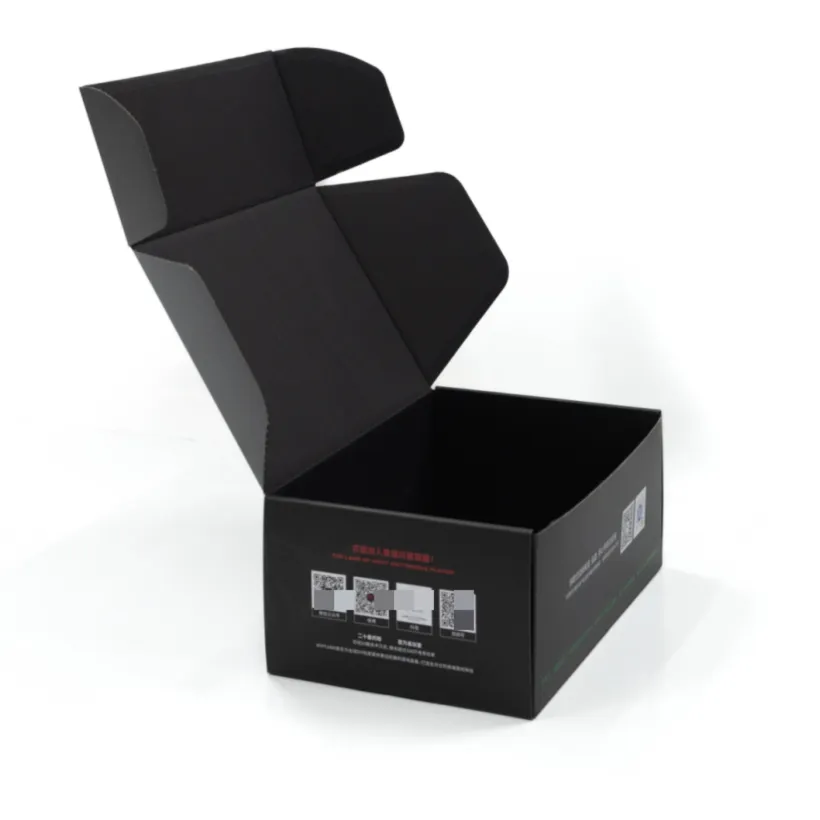
Professional paper packaging must protect its contents, present a consistent brand image, and perform reliably through storage and distribution. Quality is not a single visual judgment: it depends on measurable material, construction, print, safety, and inspection requirements. Understanding these standards helps buyers define acceptance criteria before production and reduces avoidable defects in paper packaging.

The right standard depends on the product, sales channel, and handling conditions. A premium presentation box has different priorities from a shipping carton, yet both need suitable materials and dependable workmanship. This guide explains the key quality standards for paper packaging and how to translate them into practical specifications, checks, and records that teams can use consistently.
Material standards that support performance
Fiber, board grade, and consistency
Material selection is the starting point for reliable paper packaging. Buyers should identify the board or paper grade, thickness or basis weight, surface characteristics, and any recycled-content requirements that matter to the application. These details establish a consistent specification instead of relying on a general description such as sturdy or premium. Suppliers and purchasing teams can then verify incoming material against agreed documentation.
The chosen grade should suit the product’s weight, shape, and expected handling. Paper packaging for a display box may prioritize a smooth surface and clean folds, while a transit package may need greater resistance to compression and abrasion. A sample should be reviewed for shade, caliper, coating, and visible defects. Defining acceptable variation early makes repeat orders easier to assess.
Strength, fit, and structural integrity
Strength standards should reflect real use rather than an isolated laboratory result. Paper packaging may be stacked, carried, opened repeatedly, or exposed to vibration during shipping, so teams should consider the loads and contact points involved. Relevant checks can include compression, edge integrity, crease quality, and closure retention, selected according to the package design and distribution route.
A package also needs to fit its contents without excessive movement or pressure. Paper packaging that is too loose can allow scuffing, while a tight fit can stress seams or make opening difficult. Review a filled sample using the actual product or a dimensionally accurate substitute. Where inserts are used, confirm that their position stays stable and that they do not create sharp pressure points.
Print, finishing, and product safety
Color, artwork, and finishing controls
Print quality is an essential part of paper packaging, especially when color, logos, instructions, or regulatory information must remain legible. Approve artwork files and a production reference before the full run, then define acceptable color variation and registration. Inspect text for spelling, alignment, and readability at normal viewing distance. These steps help distinguish a deliberate design choice from a production error.
Finishes such as lamination, coating, foil, or embossing should be specified with their intended use in mind. For paper packaging, check that applied finishes are even, securely bonded, and free from bubbles, flakes, or rough edges. Confirm that folds and creases remain clean after finishing, since cracking can affect appearance and expose the underlying surface. Sample approval should include the complete finished construction.
Safety and material suitability
Safety requirements depend on what the package contains and how it will be used. Paper packaging intended for direct or indirect food contact, for example, may require specific material and coating documentation under applicable local rules. Buyers should identify relevant legal and customer requirements before selecting inks, adhesives, coatings, and recycled fibers. Do not assume one general specification covers every market or product category.
For non-food applications, consider sharp edges, odor, transfer, and any risks associated with coatings or small components. Paper packaging used for children’s products or sensitive goods may call for additional review based on the intended use. Request evidence appropriate to the application, such as material declarations or test records, and keep the approved documents linked to the package specification. Clear records support traceability when requirements change.
Inspection and acceptance for repeatable quality
Sampling, defect limits, and production checks
An effective inspection plan defines what to examine, when to examine it, and how defects are classified. For paper packaging, incoming material checks can be followed by in-process reviews of cutting, scoring, folding, gluing, and printing. Final inspection should use agreed samples and acceptance limits rather than informal impressions. A shared reference sample can help different teams judge appearance consistently.
Classify defects by their effect on safety, function, or appearance. A weak glued seam may prevent the paper packaging from protecting its contents, while a minor shade variation may be cosmetic if it remains within the approved range. Record defect type, quantity, and production lot so corrective action can target the cause. Repeated issues may point to setup, material handling, or specification gaps.
Packaging tests, records, and shipment readiness
Testing should represent the stresses the finished package will face. Depending on the route, paper packaging may need evaluation for stacking, vibration, drop impact, moisture exposure, or repeated opening. Use a defined method and document sample condition, test setup, and results. A passed test is useful only when the sample reflects the production materials, dimensions, closures, and finishing.
Before shipment, confirm quantity, labeling, carton protection, and storage conditions against the purchase requirements. Paper packaging can be affected by moisture, crushing, and contamination, so the packing method matters as much as the finished unit. Keep approved artwork, specifications, inspection results, and change records together. When a design or material changes, review whether previous tests and approvals still apply before releasing production.
FAQ
Which quality standard matters most for paper packaging?
There is no single standard for every use. Prioritize the requirements that affect the product’s protection, safety, and intended presentation. For paper packaging, agree on material grade, construction, print acceptance, and relevant compliance evidence before production so inspection has clear criteria.
How should buyers inspect a first production sample?
Compare the sample with approved artwork and specifications, then examine dimensions, folds, seams, surface finish, and fit with the product. Test paper packaging in a realistic handling scenario, and document any deviations before authorizing the full run.
How can quality remain consistent across repeat orders?
Keep a controlled specification, approved reference sample, and inspection record for each version. Paper packaging quality is easier to reproduce when material or artwork changes require review, and production teams use the same sampling and defect criteria on every order.