
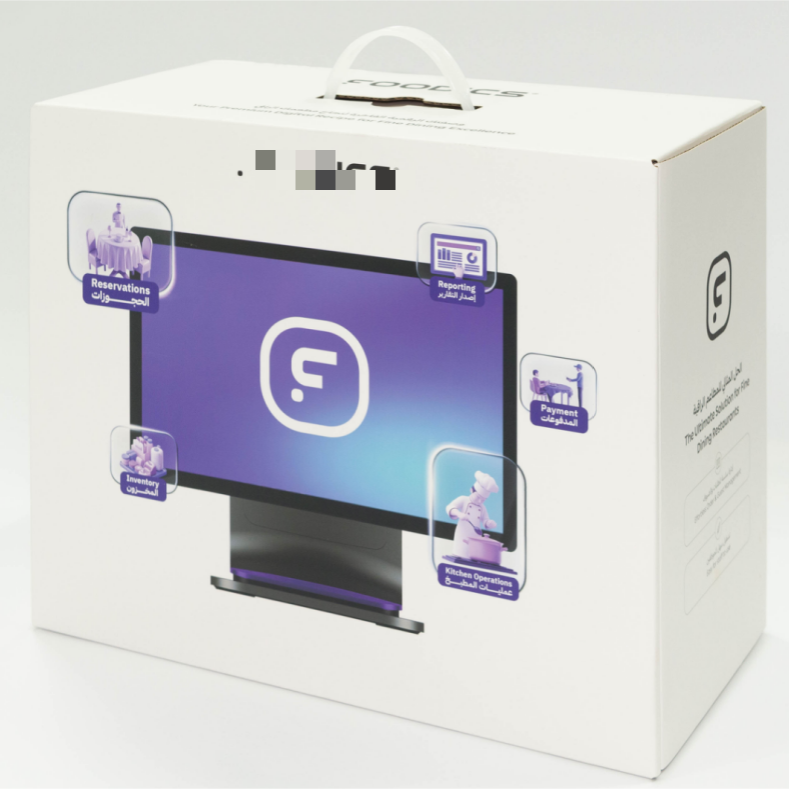
The structural integrity of a hand carry box determines its effectiveness in various industrial and commercial applications. Engineers and packaging designers continuously seek innovative approaches to enhance load-bearing capacity while maintaining portability and cost-effectiveness. Understanding the fundamental principles behind structural optimization enables manufacturers to create robust solutions that meet demanding transportation and storage requirements. Modern hand carry box designs incorporate advanced materials science, geometric optimization, and strategic reinforcement techniques to achieve superior performance characteristics.
The evolution of hand carry box engineering reflects broader trends in packaging technology and material innovation. Contemporary designs leverage computational modeling and stress analysis to identify optimal configurations that maximize strength-to-weight ratios. Professional applications demand reliable load distribution mechanisms that prevent structural failure under dynamic loading conditions. These requirements drive continuous research into advanced construction methodologies that enhance both immediate functionality and long-term durability of portable container systems.
Geometric Optimization Strategies
Triangulation and Ribbing Patterns
Triangular structural elements provide exceptional load distribution characteristics in hand carry box designs. Engineering teams implement strategic ribbing patterns that create multiple load paths, effectively distributing weight across broader surface areas. These geometric reinforcements utilize the inherent strength of triangular configurations to resist both compression and torsional forces. Advanced ribbing systems incorporate varying depths and orientations to optimize material usage while maximizing structural performance.
Internal triangulation networks transform simple rectangular containers into sophisticated load-bearing systems. Modern manufacturing techniques enable precise formation of complex rib patterns that maintain lightweight characteristics while dramatically improving strength properties. These structural enhancements allow standard materials to achieve performance levels previously requiring heavier gauge construction or exotic material compositions.
Corner Reinforcement Systems
Critical stress concentrations typically occur at corner junctions where multiple structural elements converge. Effective corner reinforcement designs distribute these concentrated forces across wider areas, preventing localized failure modes. Advanced corner systems incorporate radiused transitions and graduated thickness variations that eliminate sharp stress concentration points while maintaining efficient material utilization.
Strategic corner bracing creates interconnected load paths that enhance overall structural redundancy. These reinforcement systems transform individual panel elements into unified structural assemblies capable of withstanding significant loading scenarios. Professional hand carry box designs leverage optimized corner geometries to achieve superior performance characteristics without compromising portability or manufacturing efficiency.
Material Selection and Configuration
High-Strength Composite Materials
Advanced composite materials revolutionize hand carry box construction by providing exceptional strength-to-weight ratios. Fiber-reinforced polymers enable thin-wall construction techniques that maintain structural integrity under demanding loading conditions. These materials allow designers to create lightweight solutions that exceed traditional material performance boundaries while reducing overall system weight.
Carbon fiber and glass fiber reinforcements provide directional strength properties that enable optimized load path design. Strategic fiber orientation creates anisotropic strength characteristics tailored to specific loading scenarios encountered in portable container applications. These advanced materials enable hand carry box designs that achieve professional-grade performance standards while maintaining user-friendly handling characteristics.
Layered Construction Techniques
Multi-layer construction approaches combine different materials to optimize specific performance characteristics. Sandwich panel configurations utilize lightweight core materials surrounded by high-strength face sheets, creating efficient structural assemblies. These layered systems provide excellent bending resistance while minimizing overall weight, making them ideal for hand carry box applications requiring high load capacity.
Hybrid material systems integrate metallic reinforcements with polymer matrices to create optimized performance profiles. Strategic placement of high-modulus reinforcements in critical load-bearing regions enables efficient material utilization while maintaining cost-effectiveness. These sophisticated construction techniques allow hand carry box designs to achieve exceptional load capacity without compromising portability or manufacturing feasibility.
Load Distribution Mechanisms
Internal Framework Systems
Sophisticated internal framework designs create efficient load transfer mechanisms within hand carry box structures. These systems utilize interconnected structural elements that distribute concentrated forces across multiple load paths. Strategic framework positioning ensures uniform stress distribution while maintaining accessibility for loading and unloading operations.
Modular framework designs enable customization for specific application requirements while maintaining standardized manufacturing processes. These systems incorporate removable or adjustable elements that allow users to optimize internal configurations for varying load characteristics. Advanced framework designs integrate seamlessly with external structural elements to create unified load-bearing assemblies.
Base Reinforcement Strategies
Bottom panel reinforcement systems provide critical load support for heavy contents while maintaining structural integrity during handling operations. Strategic reinforcement placement creates efficient load paths from concentrated loading points to peripheral support elements. These systems prevent bottom panel deflection that could compromise overall hand carry box performance or create user safety concerns.
Multi-directional reinforcement grids distribute point loads across wider support areas, preventing localized stress concentrations. These systems incorporate varying reinforcement densities that optimize material placement for specific loading scenarios. Advanced base designs integrate lifting provisions and structural elements into unified assemblies that enhance both functionality and durability.
Handle Integration and Ergonomics
Structural Handle Mounting
Handle attachment systems represent critical structural interfaces that must transfer user-applied forces safely into the main hand carry box structure. Advanced mounting designs utilize distributed attachment points that prevent stress concentrations while maintaining comfortable grip characteristics. These systems incorporate mechanical fasteners and adhesive bonding techniques to create reliable connections capable of withstanding repeated loading cycles.
Integrated handle designs eliminate separate attachment hardware by forming handle features directly into structural panels. These unified approaches create seamless load paths that enhance overall system strength while reducing manufacturing complexity. Strategic handle placement considers both ergonomic requirements and structural optimization to achieve optimal user experience and performance characteristics.
Load Transfer Optimization
Efficient load transfer from handle systems into main structural elements requires careful consideration of force vectors and material capabilities. Advanced designs incorporate reinforcement zones around handle attachment points that gradually distribute concentrated forces across broader structural areas. These systems prevent localized failures while maintaining lightweight construction characteristics essential for portable applications.
Dynamic loading scenarios require handle systems capable of withstanding impact forces and varying load orientations. Professional hand carry box designs incorporate flexible mounting systems that accommodate user movement patterns while maintaining structural integrity. These sophisticated approaches ensure reliable performance across diverse operational environments and usage patterns.
Manufacturing Considerations
Production Scalability
Structural optimization must consider manufacturing constraints and production scalability requirements. Advanced designs balance performance characteristics with production efficiency to create commercially viable solutions. Strategic design choices enable automated manufacturing processes while maintaining tight dimensional tolerances essential for structural performance.
Modular design approaches facilitate efficient production scaling while enabling customization for specific applications. These systems utilize standardized components that can be configured into various hand carry box configurations without requiring extensive tooling modifications. Advanced manufacturing techniques enable cost-effective production of high-performance structural solutions across diverse volume requirements.
Quality Control Integration
Consistent structural performance requires integrated quality control measures throughout the manufacturing process. Advanced production systems incorporate real-time monitoring of critical parameters that affect load-bearing capacity and overall hand carry box performance. These systems ensure dimensional accuracy and material properties meet specified requirements for reliable field performance.
Statistical process control techniques enable continuous improvement of manufacturing processes while maintaining consistent product quality. These approaches identify potential quality issues before they impact final product performance, ensuring reliable hand carry box solutions that meet demanding application requirements. Professional quality systems integrate material certification and performance validation to guarantee specified load capacity ratings.
Performance Testing and Validation
Load Testing Protocols
Comprehensive testing protocols validate structural designs and ensure reliable performance under specified loading conditions. Standard testing procedures evaluate both static and dynamic loading scenarios to characterize hand carry box behavior across realistic usage patterns. These protocols incorporate safety factors that account for variability in materials, manufacturing, and operational conditions.
Advanced testing methodologies utilize instrumented loading systems that provide detailed performance data throughout loading cycles. These systems identify failure modes and optimize structural designs before production implementation. Professional testing protocols ensure hand carry box solutions meet or exceed specified performance requirements while maintaining appropriate safety margins.
Field Performance Monitoring
Real-world performance data provides valuable feedback for continuous design improvement and validation of laboratory testing results. Field monitoring programs track hand carry box performance across diverse operational environments and usage patterns. These programs identify potential improvement opportunities while validating design assumptions used in structural optimization processes.
User feedback integration ensures structural designs meet practical requirements while maintaining specified performance characteristics. Professional monitoring systems track failure modes and performance degradation patterns to optimize maintenance requirements and service life predictions. This data supports continuous improvement initiatives that enhance hand carry box reliability and user satisfaction.
FAQ
What materials provide the best strength-to-weight ratio for hand carry box construction
Advanced composite materials including carbon fiber reinforced polymers and glass fiber composites offer exceptional strength-to-weight ratios for hand carry box applications. These materials enable thin-wall construction while maintaining high load capacity. Aluminum alloys also provide excellent performance characteristics for applications requiring metallic construction, offering good corrosion resistance and proven reliability in demanding environments.
How do ribbing patterns improve structural performance in portable containers
Strategic ribbing patterns create multiple load paths that distribute concentrated forces across broader structural areas. Triangular rib configurations provide exceptional resistance to both compression and bending loads while minimizing material usage. These geometric reinforcements transform simple flat panels into sophisticated structural elements capable of supporting significantly higher loads without proportional weight increases.
What testing standards apply to hand carry box load capacity ratings
Industry standards such as ASTM D4169 and ISTA procedures provide comprehensive testing protocols for evaluating hand carry box performance under various loading conditions. These standards specify static load testing, drop testing, and vibration testing requirements that simulate real-world usage scenarios. Professional applications often require additional testing beyond standard protocols to validate performance under specific operational conditions.
How does handle placement affect overall structural integrity
Handle placement significantly impacts load distribution and stress concentration patterns within hand carry box structures. Optimal handle positioning creates balanced load paths that prevent asymmetric loading conditions. Strategic reinforcement around handle attachment points distributes concentrated forces into main structural elements, preventing localized failures while maintaining comfortable ergonomics for users carrying varied load weights.