
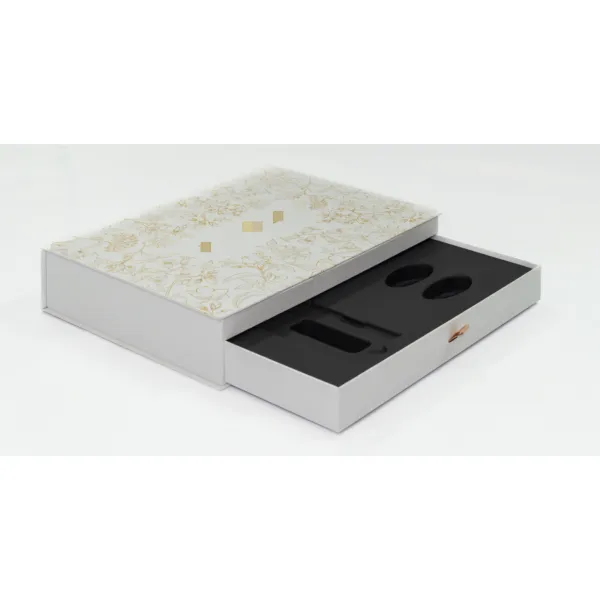
Selecting the right paper products packaging begins with understanding the diverse range of materials available in modern supply chains. Paper products packaging forms the backbone of countless industries, from consumer goods to industrial shipments, offering cost-effective protection while maintaining environmental responsibility. Businesses today face increasing pressure to choose paper products packaging solutions that balance durability, sustainability, and aesthetic appeal without compromising functionality.
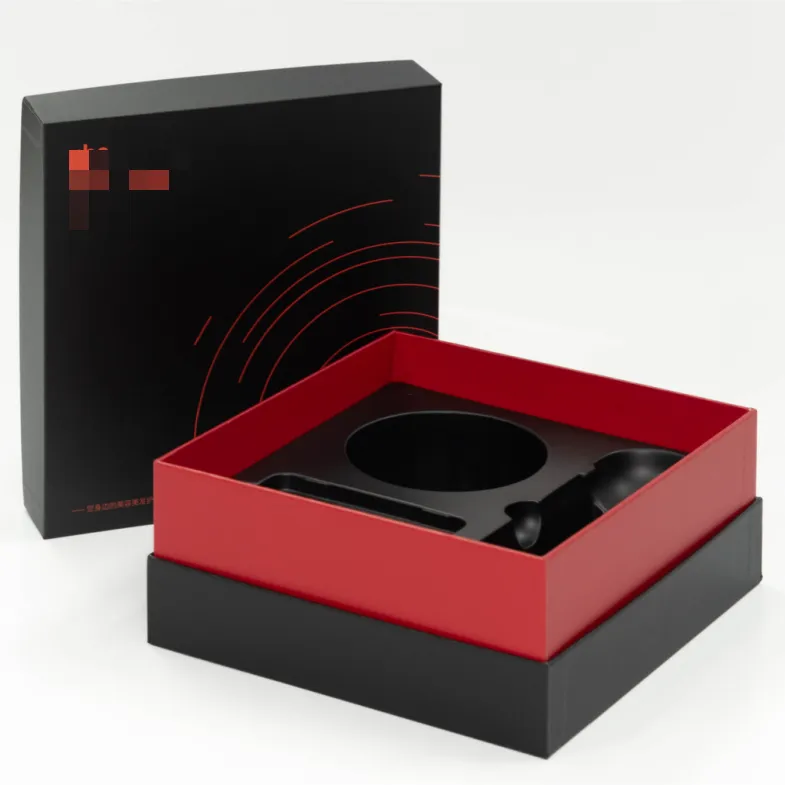
The landscape of paper products packaging continues to evolve as manufacturers innovate to meet stricter regulations and customer expectations. Understanding the characteristics, applications, and performance profiles of different paper products packaging materials enables procurement professionals to make informed decisions that optimize supply chain efficiency and reduce waste. This comprehensive guide explores the most commonly used paper products packaging types, their unique properties, and how to select the ideal solution for specific operational requirements.
Corrugated Cardboard and Its Applications
Understanding Corrugated Paper Products Packaging
Corrugated cardboard represents one of the most versatile paper products packaging options available today. This material consists of a fluted paper layer sandwiched between two linerboards, creating a structure that balances strength with lightweight characteristics. Paper products packaging utilizing corrugated cardboard provides exceptional cushioning properties, making it ideal for protecting fragile items during transportation and storage. The corrugated design allows paper products packaging to withstand considerable compression forces while maintaining structural integrity across the supply chain.
Performance and Cost Efficiency
Corrugated paper products packaging delivers superior protection-to-weight ratios that directly impact shipping costs and environmental footprint. Manufacturers can customize corrugated paper products packaging with varying flute profiles—A, B, C, E, and F—to match specific protection requirements and cost targets. The recyclability of corrugated paper products packaging makes it an attractive choice for environmentally conscious businesses seeking sustainable alternatives without sacrificing performance. Companies using corrugated paper products packaging typically experience reduced damage claims and improved customer satisfaction due to product arrival in excellent condition.
Kraft Paper and Specialty Grades for Premium Protection
Kraft Paper as Core Paper Products Packaging Material
Kraft paper represents a premium category within paper products packaging, offering exceptional tensile strength derived from its minimal processing and long fiber structure. This natural brown paper products packaging material resists tearing and puncturing, making it particularly suitable for handling rough items, machinery parts, and industrial components. Kraft paper products packaging also provides excellent moisture resistance when treated with appropriate coatings, protecting contents from humidity and environmental contamination. The visual appeal of kraft paper products packaging has made it increasingly popular among direct-to-consumer brands prioritizing unboxing experience alongside functional protection.
Specialty Coatings and Treatment Options
Advanced paper products packaging now incorporates specialty coatings that enhance barrier properties and extend shelf life for sensitive goods. Kraft paper products packaging can be treated with polyethylene, aluminum foil, or silicone to create moisture-proof, light-resistant barriers suitable for food, pharmaceuticals, and electronics. Paper products packaging manufacturers have developed water-resistant kraft variants that maintain their structural integrity in humid environments without compromising recyclability. These treated paper products packaging solutions represent a middle ground between pure paper and plastic alternatives, offering sustainability advantages while meeting stringent protection requirements.
Tissue Paper, Void Fill, and Specialty Protective Products
Protective Paper Products Packaging Materials
Beyond structural containers, paper products packaging encompasses protective materials like tissue paper, newsprint fill, and crinkle paper that cushion items during transit. Tissue paper products packaging provides lightweight void fill while maintaining a premium aesthetic for retail presentations and gift packaging applications. Recycled paper products packaging materials, including shredded kraft and paper flakes, have become standard in fulfillment operations seeking cost-effective cushioning without plastic bubble wrap. These paper products packaging void fillers decompose readily in landfills and recycling streams, supporting corporate sustainability commitments.
Specialty Applications and Innovation
Emerging paper products packaging innovations include honeycomb paper structures offering exceptional strength-to-weight advantages for automotive and aerospace applications. Molded pulp paper products packaging provides biodegradable protection for electronics, cosmetics, and food items, replacing plastic foam inserts in premium product categories. Paper products packaging manufacturers continue developing specialty grades combining traditional fiber benefits with modern barrier technologies, creating solutions that rival traditional materials in performance while remaining fully recyclable. The paper products packaging industry's commitment to innovation ensures businesses access cutting-edge solutions that balance protection, sustainability, and cost efficiency.
Selection Criteria and Industry-Specific Considerations
Evaluating Paper Products Packaging for Your Business
Selecting appropriate paper products packaging requires analyzing product weight, fragility, temperature sensitivity, and supply chain conditions unique to each operation. Paper products packaging density, burst strength, and tear resistance ratings provide measurable criteria for comparing options against specific protection requirements. Regulatory compliance represents another critical factor, as certain paper products packaging materials must meet food contact standards, pharmaceutical requirements, or specific industry certifications. Procurement teams should evaluate paper products packaging suppliers' capacity to scale production, maintain quality consistency, and support custom design modifications.
Sustainability and Cost Balance
Modern supply chain decisions increasingly weigh paper products packaging sustainability benefits against total cost of ownership, including material costs, transportation efficiency, and waste management expenses. Paper products packaging offers significant advantages in end-of-life scenarios, with most grades accepted in standard recycling programs, reducing corporate waste management complexity. Companies selecting paper products packaging solutions benefit from growing market competition that continues driving innovation and cost reduction across the sector. Strategic partnerships with paper products packaging suppliers enable volume discounts, priority allocation during supply constraints, and collaborative development of customized solutions matching evolving business requirements.
FAQ
What distinguishes corrugated paper products packaging from kraft paper for shipping applications?
Corrugated paper products packaging excels in providing three-dimensional rigidity and cushioning through its fluted design, making it ideal for protecting items from impact during transport. Kraft paper products packaging offers superior tensile strength and tear resistance, performing better for wrapping individual items or creating protective layers within corrugated boxes. Paper products packaging selection depends on whether your primary concern involves impact protection through cushioning or puncture resistance through material strength, and many operations benefit from combining both materials.
Can paper products packaging materials meet moisture protection requirements for sensitive goods?
Yes, paper products packaging manufacturers offer treated variants incorporating polyethylene, wax, or silicone coatings that effectively block moisture penetration while maintaining recyclability of the base paper materials. Paper products packaging for food and pharmaceutical applications utilizes barrier technologies proven through rigorous testing to maintain product integrity across standard supply chain timelines. When specifying paper products packaging for humidity-sensitive goods, confirm that suppliers provide moisture vapor transmission rate data and conduct accelerated aging tests simulating your specific storage and transportation conditions.
How does paper products packaging compare to plastic alternatives in terms of environmental impact?
Paper products packaging demonstrates significantly lower environmental impact across its lifecycle compared to conventional plastics, with established recycling infrastructure accepting most paper grades directly into existing waste streams. Plastic paper products packaging alternatives often require specialized processing or remain in landfills for decades, while paper products packaging biodegrades within months to years depending on environmental conditions. Businesses prioritizing sustainability find paper products packaging delivers measurable advantages in carbon footprint reduction, water consumption, and end-of-life environmental burden while maintaining competitive total cost of ownership.