
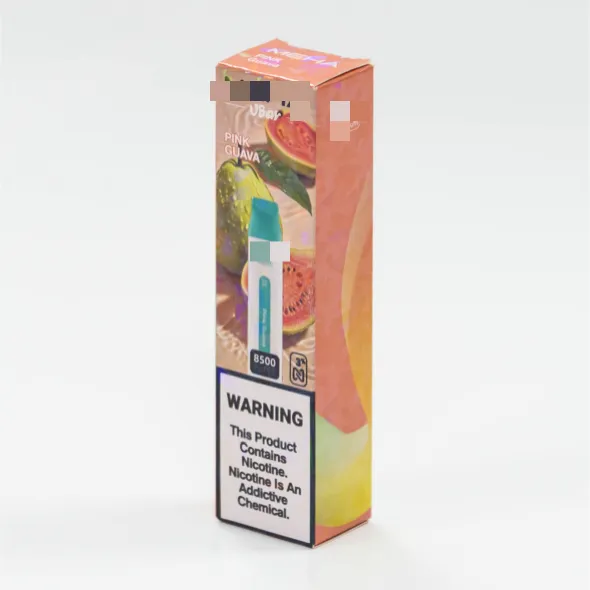
In today's environmentally conscious marketplace, businesses are increasingly seeking sustainable packaging alternatives that align with consumer expectations and regulatory requirements. The kraft box has emerged as a leading solution for companies prioritizing eco-friendly practices while maintaining product protection and brand integrity. This versatile packaging option combines natural materials with exceptional functionality, making it an ideal choice for diverse industries ranging from e-commerce to food service. Understanding the environmental and practical benefits of kraft box solutions helps businesses make informed decisions about their packaging strategies and long-term sustainability goals.
Environmental Advantages of Kraft Box Packaging
Biodegradable Material Composition
The fundamental appeal of a kraft box lies in its biodegradable composition, derived from natural wood fibers through an environmentally responsible pulping process. Unlike synthetic packaging materials that persist in landfills for decades, kraft boxes decompose naturally within months when exposed to typical environmental conditions. This rapid biodegradation significantly reduces long-term waste accumulation and minimizes the environmental footprint of packaging operations. The manufacturing process utilizes renewable forest resources managed through sustainable forestry practices, ensuring continuous resource availability while maintaining ecological balance.
Manufacturing facilities producing kraft box materials typically employ closed-loop water systems and energy recovery technologies that further enhance environmental performance. The absence of harmful chemicals and synthetic additives in kraft box production eliminates toxic residue concerns associated with conventional packaging alternatives. This natural composition makes kraft boxes safe for composting in both industrial and home composting systems, contributing to soil enrichment rather than environmental contamination.
Recyclability and Circular Economy Integration
Kraft boxes demonstrate exceptional recyclability characteristics that support circular economy principles and waste reduction initiatives. The high-quality fiber content in kraft box materials maintains structural integrity through multiple recycling cycles, maximizing resource utilization efficiency. Standard recycling facilities readily process kraft boxes without specialized equipment or complex separation procedures, making them compatible with existing waste management infrastructure. This accessibility ensures high recycling rates and reduces the burden on municipal waste systems.
The recycling process for kraft box materials requires significantly less energy compared to manufacturing virgin materials, resulting in reduced greenhouse gas emissions and resource consumption. Recycled kraft box fibers can be repurposed into new packaging materials, paper products, or construction materials, demonstrating versatile end-of-life applications. This recyclability extends the material lifecycle and reduces demand for virgin resources, creating economic and environmental value throughout the supply chain.
Functional Performance and Design Versatility
Structural Strength and Protection Capabilities
Despite its eco-friendly composition, a kraft box delivers robust structural performance that meets demanding packaging requirements across various industries. The natural fiber structure provides excellent tensile strength and puncture resistance, protecting contents from physical damage during shipping and handling. Advanced kraft box designs incorporate reinforcement techniques such as double-wall construction and corner strengthening that enhance load-bearing capacity without compromising environmental benefits. These engineering improvements ensure reliable protection for fragile or heavy items while maintaining sustainable material composition.
Moisture resistance treatments using water-based coatings enable kraft boxes to perform effectively in humid environments or applications requiring limited water protection. These treatments maintain biodegradability while extending functional performance in challenging conditions. The kraft box structure also provides excellent cushioning properties that reduce the need for additional protective materials, simplifying packaging systems and reducing overall material consumption.
Customization and Branding Opportunities
The natural surface of a kraft box provides an excellent foundation for custom printing and branding applications using eco-friendly inks and coatings. Water-based and soy-based printing inks maintain environmental compatibility while delivering vibrant colors and sharp graphics that enhance brand visibility. The kraft box surface readily accepts various printing techniques including flexography, digital printing, and screen printing, offering flexibility for different production volumes and design requirements. This versatility enables businesses to create distinctive packaging that reflects brand values while supporting sustainability commitments.
Embossing and debossing techniques create textural elements on kraft box surfaces that enhance tactile appeal and premium positioning without requiring additional materials. Die-cutting capabilities allow for complex shapes and functional features such as handles, windows, or specialized closures that improve user experience and product presentation. These customization options demonstrate that environmental responsibility does not require compromising aesthetic appeal or functional innovation in kraft box applications.
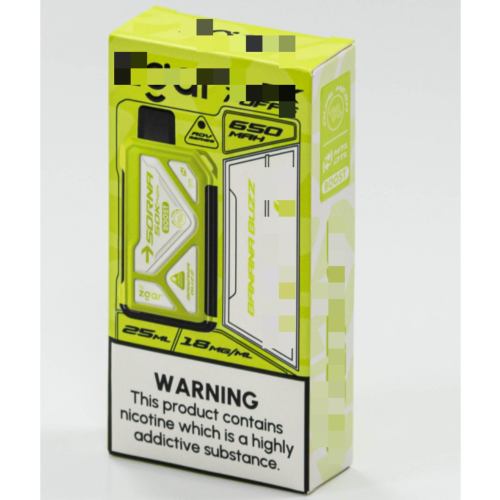
Cost-Effectiveness and Supply Chain Benefits
Manufacturing and Material Cost Advantages
The kraft box manufacturing process utilizes abundant raw materials and established production technologies that contribute to competitive pricing compared to specialized synthetic alternatives. The widespread availability of kraft pulp and the maturity of kraft box production equipment result in stable pricing and reliable supply chains. Volume production capabilities enable economies of scale that make kraft boxes cost-effective for both large-scale operations and smaller businesses implementing sustainable packaging strategies. This affordability removes financial barriers to environmental responsibility and makes sustainable packaging accessible across diverse market segments.
Reduced packaging complexity associated with kraft box solutions often eliminates the need for multiple material types or specialized assembly procedures, streamlining production processes and reducing labor costs. The lightweight nature of kraft box materials minimizes shipping expenses while maintaining adequate protection, creating additional cost savings throughout the distribution process. These economic advantages demonstrate that sustainable packaging choices can support both environmental goals and business profitability.
Supply Chain Reliability and Sourcing Benefits
Kraft box materials benefit from established global supply chains and multiple sourcing options that reduce supply risk and ensure consistent availability. The renewable nature of wood fiber resources and ongoing forest management programs provide long-term supply security that supports business planning and growth strategies. Multiple suppliers and production regions create competitive markets that maintain favorable pricing and quality standards while providing flexibility in sourcing decisions.
The standardized nature of kraft box specifications and testing methods simplifies supplier qualification and quality control processes, reducing procurement complexity and ensuring consistent performance across different suppliers. This standardization also facilitates easy substitution between suppliers when necessary, maintaining operational flexibility and supply chain resilience. The established kraft box industry infrastructure supports rapid scaling of production volumes to meet changing demand patterns without significant lead time extensions.
Industry Applications and Market Adoption
E-commerce and Retail Packaging Solutions
The e-commerce sector has widely adopted kraft box solutions as consumer awareness of environmental issues influences purchasing decisions and brand loyalty. Online retailers use kraft boxes to demonstrate corporate responsibility while meeting practical packaging requirements for shipping protection and product presentation. The natural appearance of kraft box materials aligns with consumer preferences for authentic and environmentally conscious brands, creating positive unboxing experiences that enhance customer satisfaction and brand perception.
Retail applications benefit from the kraft box ability to convey premium quality and artisanal values that resonate with environmentally aware consumers. The versatility of kraft box designs enables retailers to create consistent packaging systems that reinforce brand identity across product lines while maintaining sustainable practices. Custom kraft box solutions support seasonal promotions and limited edition products through specialized printing and design options that maintain environmental compatibility.
Food Service and Consumer Goods Applications
Food service operations increasingly rely on kraft box packaging for takeout, delivery, and retail applications due to food safety compatibility and grease resistance capabilities. Specialized kraft box treatments provide barrier properties suitable for various food types while maintaining compostability and biodegradation characteristics. The natural composition eliminates concerns about chemical migration into food products, supporting food safety standards and consumer health priorities.
Consumer goods manufacturers utilize kraft box packaging to communicate environmental responsibility and product authenticity, particularly in organic, natural, and premium market segments. The kraft box aesthetic supports storytelling about sustainable practices and responsible manufacturing that resonates with target demographics. This alignment between packaging choice and brand values creates authentic messaging that builds consumer trust and differentiates products in competitive markets.
Implementation Strategies for Sustainable Packaging
Transition Planning and Supply Chain Integration
Successful implementation of kraft box packaging requires strategic planning that considers existing packaging systems, supplier relationships, and operational requirements. Companies should conduct packaging audits to identify opportunities for kraft box integration while maintaining protection standards and cost targets. Pilot programs enable testing of kraft box performance in specific applications before full-scale implementation, reducing risk and optimizing design specifications.
Supply chain integration involves collaborating with suppliers to develop kraft box specifications that meet unique application requirements while maintaining sustainability objectives. This collaboration often reveals opportunities for packaging optimization that reduce material usage and improve efficiency beyond simple material substitution. Training programs for packaging staff ensure proper handling and storage of kraft box materials to maintain quality and performance throughout the supply chain.
Performance Monitoring and Continuous Improvement
Implementing kraft box solutions requires ongoing monitoring of packaging performance, customer feedback, and environmental impact to ensure objectives are met and identify improvement opportunities. Key performance indicators should include damage rates, customer satisfaction scores, and sustainability metrics such as waste reduction and recyclability rates. Regular reviews of kraft box supplier performance ensure quality standards are maintained while exploring innovations in materials and design.
Continuous improvement programs focus on optimizing kraft box designs for specific applications, reducing material usage through engineering improvements, and incorporating new sustainable technologies as they become available. Feedback from customers, suppliers, and internal stakeholders drives innovation in kraft box applications and identifies opportunities for expanding sustainable packaging adoption across product lines and market segments.
FAQ
How does kraft box durability compare to plastic packaging alternatives?
Kraft boxes provide comparable durability to many plastic packaging options while offering superior environmental benefits. The natural fiber structure delivers excellent puncture resistance and load-bearing capacity suitable for most shipping and storage applications. While plastic may offer better moisture resistance in extreme conditions, kraft box treatments and design modifications can address specific environmental challenges. The biodegradable nature of kraft boxes makes them preferable for applications where long-term environmental impact is a primary concern, without sacrificing essential protective functions.
What are the cost implications of switching to kraft box packaging?
Kraft box packaging typically offers competitive or lower costs compared to specialized synthetic alternatives, particularly when considering total cost of ownership including disposal and regulatory compliance. Initial conversion costs may include design modifications and supplier qualification, but ongoing material costs are generally favorable due to abundant raw materials and efficient manufacturing processes. The lightweight nature of kraft boxes reduces shipping costs, while their recyclability may provide cost benefits in regions with extended producer responsibility programs or waste disposal fees.
Can kraft boxes maintain food safety standards for consumable products?
Kraft boxes meet stringent food safety standards when properly manufactured and treated with appropriate food-grade coatings or barriers. The natural composition eliminates concerns about harmful chemical migration that can occur with some synthetic materials. Specialized kraft box treatments provide grease resistance and moisture barriers suitable for various food applications while maintaining biodegradability. Regulatory compliance is well-established for kraft box materials in food contact applications, with clear guidelines and testing protocols ensuring safety and performance.
How do kraft boxes perform in automated packaging and fulfillment systems?
Modern kraft boxes are specifically engineered for compatibility with automated packaging equipment and high-speed fulfillment operations. Consistent dimensional tolerances and structural integrity ensure reliable performance in automated assembly, filling, and sealing processes. The kraft box material properties provide adequate stiffness for mechanical handling while maintaining flexibility for efficient storage and transport. Collaboration with packaging equipment manufacturers has resulted in kraft box designs optimized for specific automation systems, demonstrating that sustainable packaging can support operational efficiency and productivity requirements.