Customize multi-purpose tags
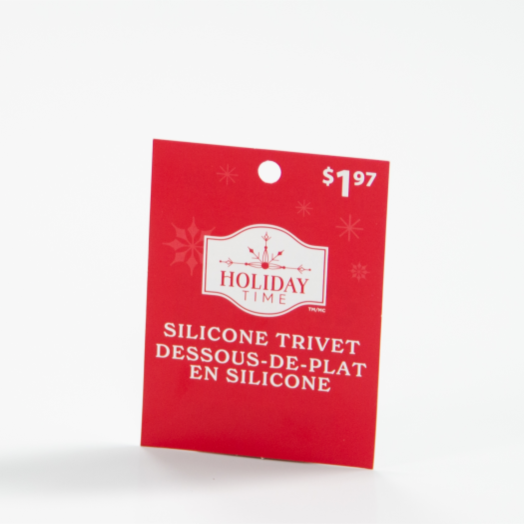
Hangtags, often referred to as swing tags, price tags, or product tags, are small yet indispensable components in the retail and manufacturing industries. These versatile accessories are not merely pieces of paper or plastic attached to products; they serve a multitude of crucial purposes that bridge the gap between brands and consumers.
- Overview
- Recommended Products
| Place of Origin: | china |
| color: | CMYK/pantone color |
| size: | Customized size |
| Material: | paper |
| Payment Terms: | L/C T/T Paypal |
| Price: | BASE ON material /size /quantity/finishing |
| Sample time Time: | 2-3 working days |
Quick Detail:
- "Swing Tags: 3x5 Inch Informative Tools for Branding and Product Details Display"
- "Product Tags (4x6 cm): Durable Paper Labels for Apparel Care Instructions and Pricing"
- "Custom Die-Cut Price Tags: 2.5x4 Inch Hangtags for Enhancing Consumer Shopping Experience"
Description:
In terms of product specifications, hangtags come in a wide range of sizes, shapes, and materials to suit different products and brand aesthetics. Common sizes vary from small ones measuring around 2x3 inches (5x7.6 cm) for jewelry or small accessories to larger ones of 4x6 inches (10x15 cm) or more for clothing, bags, and electronics. Shapes are equally diverse, including classic rectangles, squares, circles, and custom die-cut shapes like hearts, stars, or brand-specific outlines that reflect a brand’s personality.
Applications:
Materials used for hangtags are diverse too, with paper being the most common due to its affordability and printability—options range from thin cardstock to thick, premium textured paper.
Additionally, hangtags often feature finishing touches like glossy or matte laminations, embossing, debossing, or foil stamping to elevate their visual appeal and perceived value.
Whether simple or elaborate, hangtags remain a key element in product presentation, combining functionality and branding to enhance the overall consumer experience.
Customization Process: Applicable to most color boxes. Gift boxes involve more complex processes.
Plate Making/Proofing
Before printing, the plate must be made first, and then the plate is put into the printing machine so that the desired content can be printed. Plate making is the process of converting graphic information in the computer into a medium usable for printing. Currently, the mainstream plate making method is Computer To Plate (CTP).
Printing
With CTP, machine printing can be carried out. Printing is divided into "offset printing" and "UV printing".Offset printing is a type of planographic printing. Simply put, offset printing is a printing method that transfers the graphics and text on the printing plate to the substrate with the help of rubber cloth (blanket). It is precisely because of the existence of the blanket that this printing method gets its name.UV printing is a technology that uses ultraviolet radiation to quickly cure printing ink.
Surface Treatment
It is divided into oil coating, gluing, paper lamination, die-cutting, and box gluing. The gluing process is to cover a layer of film on the paper card, which can be seen by tearing it open; oil coating is just to cover a layer of oil that increases glossiness, which plays a role in protecting the printed surface.Paper lamination: The top paper and the bottom are glued together;Die-cutting: Cutting is carried out by making a die-cutting rule according to the pre-designed graphics.Box gluing: The process of gluing a single-piece paper box into a folding paper box.
Packaging & Logistics
The final process after box gluing, including quality inspection, and packaging, loading, and delivery according to customer requirements.