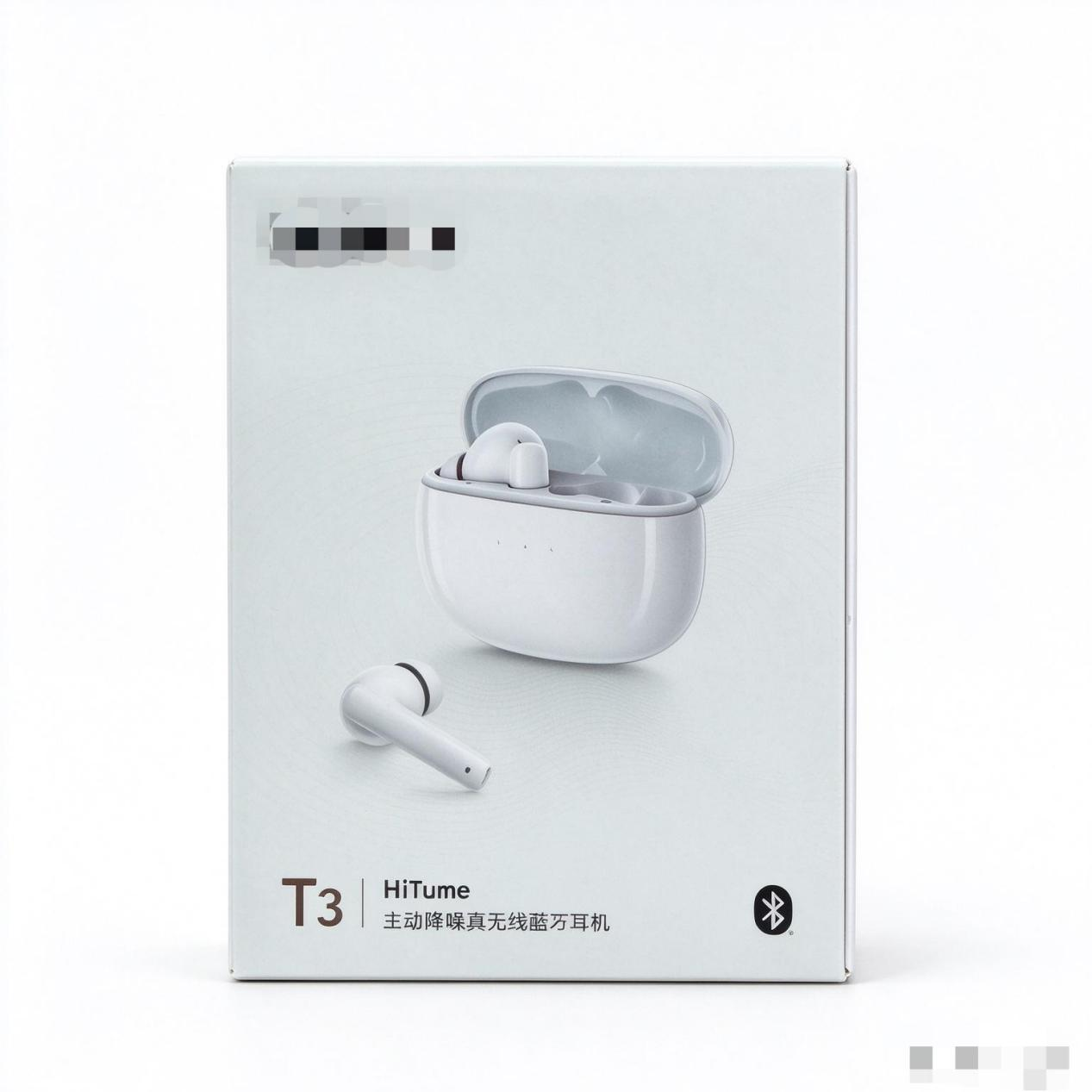
Pastel Blue/Green Square Box for TWS Bluetooth Earphones
A fresh, pastel-colored lid-and-base box with a clean white interior, designed for lifestyle audio brands.
- Overview
- Recommended Products
Pastel Blue/Green Square Box for TWS Bluetooth Earphones
Ask any packaging supplier which is harder to make — a deep navy box or a pastel one — and the honest answer is the pastel. Not the shape. Not the insert. The colour. A pastel earphone packaging box reads as expensive only when the tint is clean and consistent across the whole run, and that is the one thing a cheap press cannot hold.
So this page is mostly about colour, then about the insert, then about the two ways these pastel earphone packaging boxes ship. If you are sourcing a printed earphone packaging box for a first run, the details below are the ones that decide whether the second reprint actually matches the first.
Why pastels are the hardest thing to print
A pastel is a light tint, which means it lives in a very narrow band of dot coverage — usually somewhere between 5 and 12 percent on one or two plates. That narrow band is the problem. At low coverage, a small swing in ink density or plate wear produces a big visible change. Put the same swing on a solid navy and nobody notices. Put it on a pale blue and the whole pastel earphone packaging box changes character.
For a blue-green pastel specifically, we are usually building the colour across cyan, yellow, and a light touch of magenta. Cyan and yellow plates wear fastest in that range, and they wear unevenly across the sheet. That is why the left edge of a press sheet can run cool and the right edge warm on a large pastel earphone packaging box run.
We handle it three ways. First, we mix a spot pastel ink instead of building it from four-colour process whenever the client will accept a fixed reference. A spot mixes as one ink, so a large pastel earphone packaging box run holds far better than a CMYK build. It costs a plate and a wash-up, and that is the whole argument. Second, we run a spectrophotometer reading every 500 sheets, not by eye. Third, we keep the same ink batch across the run; a new batch mid-run is the most common cause of a visible step on the finished pastel earphone packaging box.
The paper matters too. Coated paper holds a pastel brighter and flatter because the ink sits on top of the coating rather than soaking in. An uncoated or rough sheet will pull the same pastel down a full shade and add a soft, matte look. If you want the pastel to feel soft and modern rather than clean and shiny, uncoated is the right call — just be aware the colour will read closer to a muted pastel earphone packaging box than the digital proof on your screen. We usually send both a coated and an uncoated proof of the same artwork so you can hold them side by side, because this is a decision almost nobody can make from a screen. Put the two proofs on a shop shelf under whatever lighting your retail partner actually uses, and the right board usually picks itself.
The render on the front, and where the gloss goes
Most of these pastel earphone packaging boxes carry a product photograph or a 3D render on the front. On a pastel background, the render only reads as a real device if there is a contrast break between the flat pastel and the device. That break is usually a spot UV, a thin layer of gloss printed over just the device.
There is a trap here. Spot UV cannot cross a score line. If you run the gloss straight across where the square earphone packaging box gets folded, the UV layer cracks at the fold within a few hundred cycles, and you get a hairline of white along the edge. On this square earphone packaging box the fold lines run close to the render, so we set the UV boundary inside the fold margin, which means the gloss stops a few millimetres before the corner. It is a small strip of pastel that has no gloss. Most people never see it. The alternative is a cracked UV line, which is far worse.
One more thing on the render. Send us the artwork as a soft-proofed CMYK or a linked render with a named spot underlay, not a screenshot. A pastel background shifts a screenshot's colours badly, because the pastel itself is being re-interpreted by whatever colour profile the screenshot was taken in. We will send back a printed proof on the actual board before the run, and if the pastel on the proof looks different from your screen, the proof is the one to trust. This is the step most first-time buyers rush, and it is the reason a reprint of a pastel earphone packaging box so often comes back a shade off.
The insert is paper, and that is a decision, not a shortcut
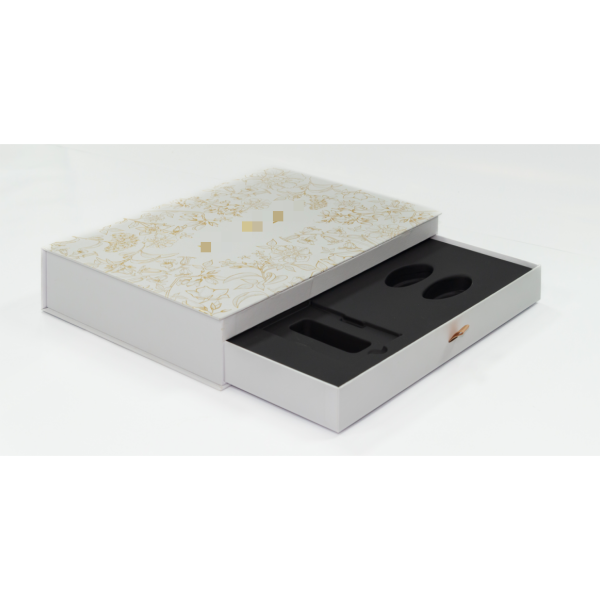
This square earphone packaging box uses a precision-cut white paper insert rather than a moulded EVA tray. That is not a cost shortcut — it is the right material for the product. A paper insert is die-cut from 350 to 400 gsm SBS board or 1.0 mm white-lined chipboard, then folded up into a shallow tray with cut cavities for the buds and the charging case. The cut tolerance is ±0.5 mm, which is tight enough that the case sits in place without rattling inside the square earphone packaging box.
Paper works well for TWS because the payload is light. A pair of buds runs about 8 to 12 grams, and a charging case is usually 30 to 50 grams. Below roughly 60 grams total, a folded paper insert holds the product as firmly as EVA and looks cleaner, because you get crisp white edges instead of the soft moulded edge of a foam tray. Above 80 grams we will usually push back and recommend EVA or a hybrid paper-and-foam build, because the paper hinge starts to relax under load over time.
Two details you should specify up front on the paper insert. First, a finger notch under the charging case — without one, the case has to be tipped out, and that is the moment a customer's grip slips on a compact. Second, a matte white anti-scuff lamination over the insert, because a plain white paper surface sheds a little fibre where the buds rub, and you do not want that dust sitting on a product with exposed charging contacts. Both of these are cheap to add at the drawing stage and annoying to retrofit, because changing the cavity of a paper insert means cutting a new die for the square earphone packaging box.
If you need a recycled or FSC-certified paper insert for the square earphone packaging box, we keep both board options in stock. The FSC chipboard is a touch creamier than the SBS, so the white inside the square earphone packaging box will read slightly warmer — worth knowing before you approve the sample. On a pastel earphone packaging box that detail matters more than it does on a dark box, because a warm white insert and a cool pastel exterior fight each other slightly. Nothing dramatic, but you notice it side by side.
Square earphone packaging boxes have their own rules
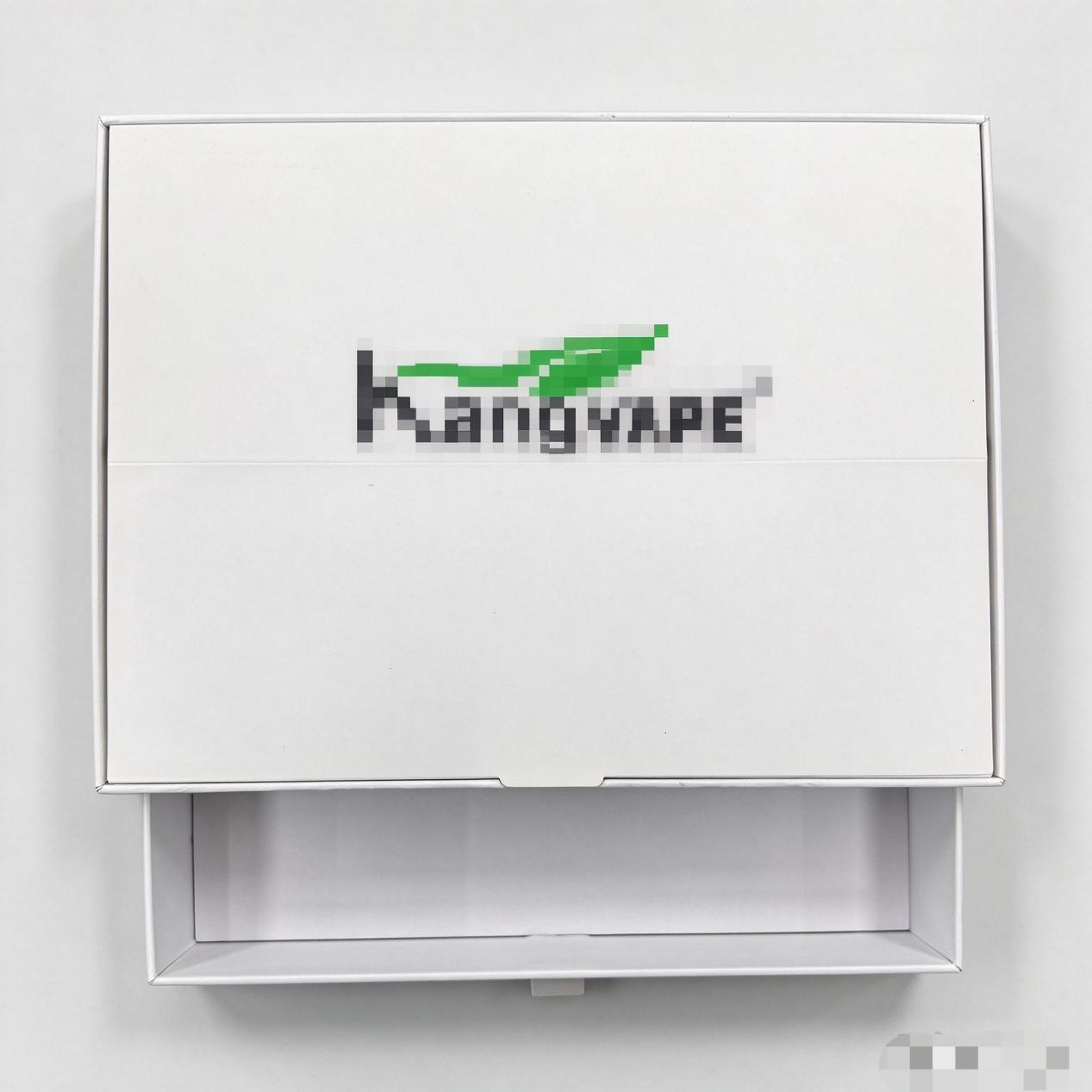
A square earphone packaging box is not just a rectangular one with equal sides. The lid and the base are made as two separate wrapped pieces, and they have to be paired so the board grain runs the same way in both. If the grain is mismatched, the two halves reflect light differently under retail lighting and you see a step in the pastel where the lid meets the base — same ink, same board, different angle.
We also control the lid clearance separately. The lid is set 1.0 to 1.5 mm larger than the base, and we open that gap slightly for humid destinations, because a paperboard lid that fits perfectly in a dry factory can bind after two weeks in a container. On a compact pastel earphone packaging box, a lid that binds is the single most common complaint we get on the first run. It is also the easiest one to prevent — tell us the destination port at quote stage and we will set the clearance for that climate rather than for the factory floor.
Depth is the other number to get right. These square earphone packaging boxes usually run 22 to 30 mm deep. Past that, the walls start to bow unless you step the board up, and a bowed wall on a pastel earphone packaging box is far more obvious than on a dark box because the shadow line breaks the flat tint. If your TWS case is unusually thick, it is usually better to go deeper with a thicker board than to squeeze the pastel earphone packaging box and accept a bulge.
Retail-ready and direct-to-consumer earphone packaging boxes
Where the pastel earphone packaging box goes changes what it needs. A retail-ready square earphone packaging box goes on a shelf or a peg — it needs a hang tab, a security seal, and a compliance label that most EU and UK retailers specify. Assembly happens in the factory, and the box arrives at the shop floor finished.
A direct-to-consumer earphone packaging box is a different animal. A 22 mm square earphone packaging box on its own will not survive an ISTA 1A drop test. It is not built to be the shipping container, it is built to be opened. For DTC, we put the pastel earphone packaging box inside a plain corrugate mailer, and it stays clean. Clients who try to skip the mailer usually come back after the first batch of returns.
Where the cost actually moves
Tooling is where this build is friendlier than a moulded-insert earphone packaging box. A die-cut paper insert needs a steel rule die, which is far cheaper than the CNC-milled buck required for a moulded one. That is why we can run this square earphone packaging box from about 300 units, where a moulded-insert earphone packaging box usually starts at 500.
The cost that does move is colour. A spot pastel ink adds a plate and a wash-up between runs, so if you plan to switch pastel shades every run, your setup cost per run climbs. If you are launching one pastel blue and one pastel green version of the pastel earphone packaging box in the same season, run them back to back on the same ink sequence and you will save a wash-up each time. Over a year of quarterly runs, that single scheduling decision is worth more than most buyers expect — we have seen it save a client roughly the cost of one full reprint of the square earphone packaging box.
FAQ
Can the lid and the base be different pastel colours?
Yes. A pastel blue lid with a pastel green base is common, and it works as long as both are mixed from the same paper stock. Do not mix a coated lid with an uncoated base — the two pastels will read as different shades even if the ink is identical.
Can the inside of this pastel earphone packaging box be printed?
It can, but most clients leave it white so the insert and the product do the work. If you do print the interior, use a light coverage only, because a busy interior competes with the product.
What is the minimum order and lead time?
Around 300 units, because the paper insert uses a steel rule die rather than a moulded tool. Lead time on a pastel earphone packaging box runs 15 to 20 working days from artwork approval, plus transit. A new spot pastel ink adds about three days at the front for the ink match and the proof.
What artwork do you need for the render?
A high-resolution render or photograph at 300 dpi at final size, plus a separate layer or spot name marking the area for spot UV. Send the layered file if you have it.
Will the pastel match my previous print run?
If we hold the same ink batch and the same board, we can usually hold within a low visual tolerance across runs. Send us a past reference box or a Pantone number and we will match to it rather than to a screen.
How is this different from a magnetic rigid box?
A magnetic rigid box is heavier and holds a magnet closure; it suits a premium device. This square earphone packaging box is lighter and cheaper, opens with a lid, and suits a mid-tier TWS product where the unboxing needs to feel clean but the unit cost has to stay low.
Do you supply the outer mailer too?
We do, and for DTC orders we would rather quote the pastel earphone packaging box and the corrugate mailer together so the two fit properly. A mailer bought separately is often a few millimetres too tight or too loose, and both cause damage to a pastel earphone packaging box in transit.