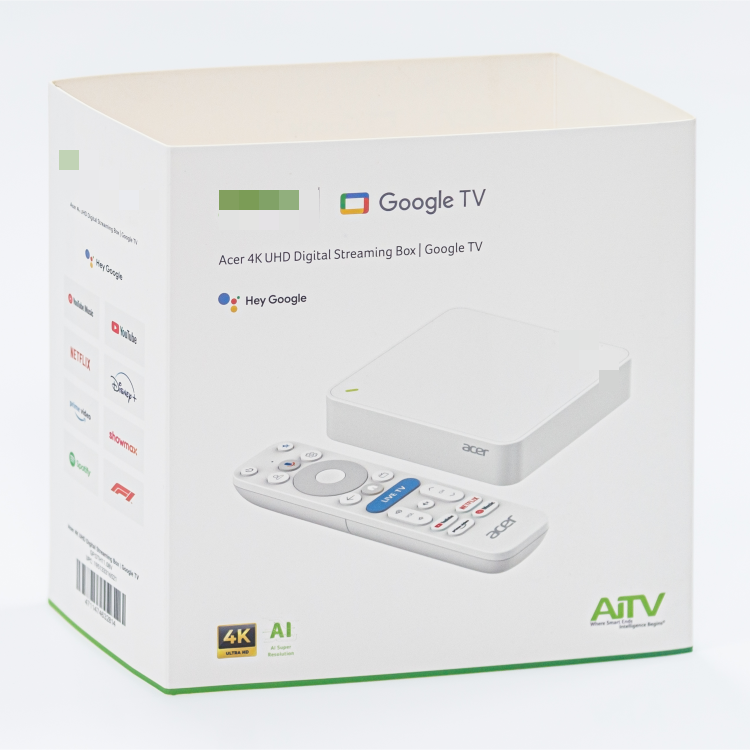
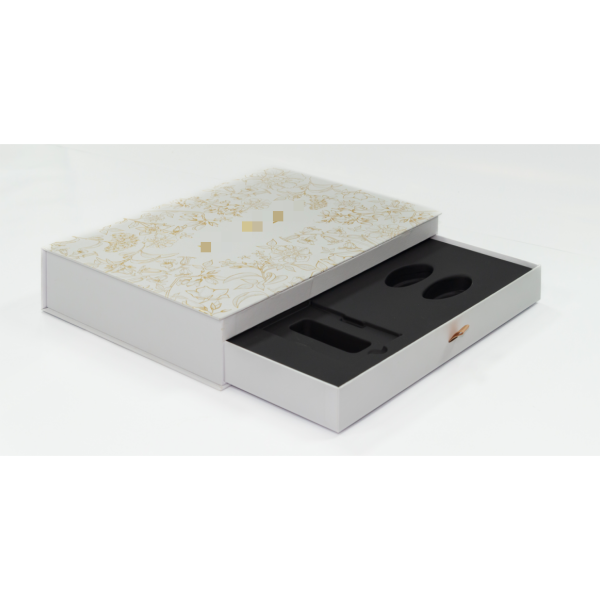
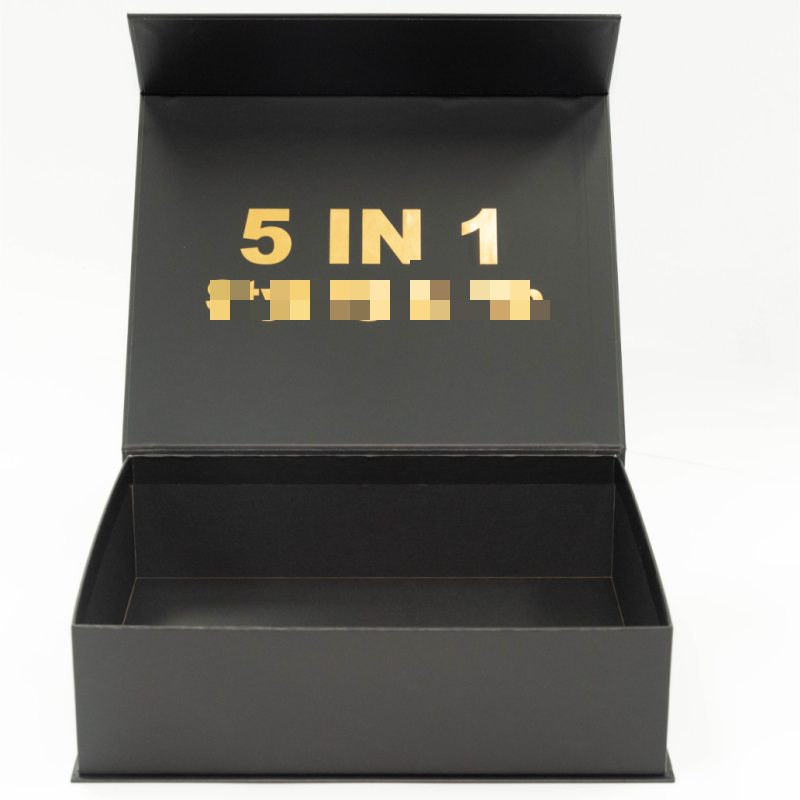
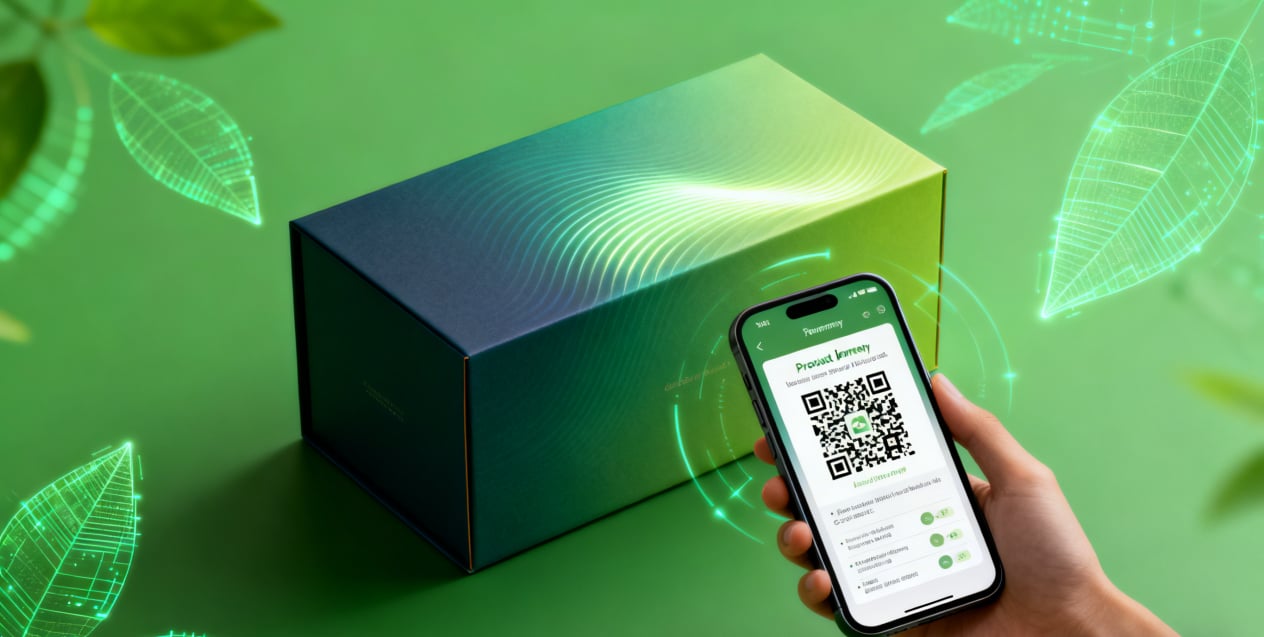
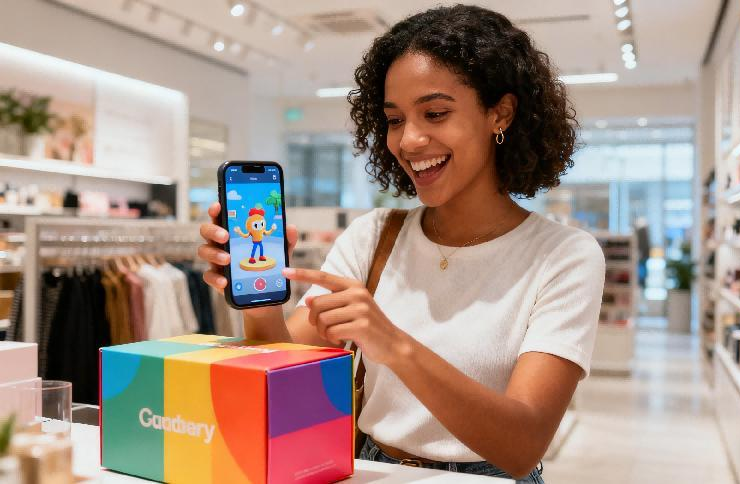
Furthermore, the integration of smart technologies has elevated color box packaging from a passive protective vessel to an active interactive platform. By embedding QR codes and NFC (Near Field Communication) chips into packaging structures, businesses can establish a seamless connection between physical products and digital ecosystems. For consumers, a simple scan of the QR code or tap of an NFC-enabled device provides instant access to critical product information, including full traceability details covering raw material sourcing, production processes, and logistics routes—an essential feature amid growing consumer concerns about product safety and authenticity. Additionally, this smart integration facilitates interactive marketing campaigns, such as brand story dissemination, product usage tutorials, and exclusive promotional offers, which not only enhance consumer engagement but also substantially boost brand added value by fostering deeper brand-customer connections.
Environmental innovation has emerged as a non-negotiable strategic focus for the color box packaging industry, driven by stringent global environmental regulations and rising consumer preference for eco-friendly products. A key advancement in this area is the widespread adoption of environmentally sustainable materials and inks. Water-based inks, which have replaced traditional solvent-based inks in many applications, are free of volatile organic compounds (VOCs), ensuring compliance with international environmental standards and making them suitable for packaging in food, beverage, and cosmetics sectors where safety and environmental friendliness are paramount. Similarly, plant-based materials, such as bamboo pulp, sugarcane bagasse, and recycled paperboard, are gaining traction due to their renewable nature and biodegradability, enabling color boxes to maintain an exquisite appearance while minimizing environmental impact.
Complementing material innovations, modular structural design has become an effective approach to reducing material waste throughout the production process. By adopting standardized, (detachable) components, modular color boxes can be flexibly adjusted to fit different product sizes and shapes, eliminating the need for custom molds for each product variant and thus reducing production waste. This design also enhances logistics efficiency by optimizing storage and transportation space through foldable structures, lowering carbon emissions associated with logistics operations. Additionally, carbon footprint measurement technology is increasingly being integrated into production workflows, enabling enterprises to quantify the environmental impact of color box packaging across its entire lifecycle—from raw material extraction to disposal. This data-driven approach helps businesses set science-based sustainability goals and demonstrate their environmental commitment to stakeholders, a critical competitive advantage in today’s eco-conscious market.
Industry experts suggest that the future development of color box packaging will center on the integration of "aesthetics and substance," a trend that aligns with the evolving needs of both businesses and consumers. Through the continuous integration of new materials and advanced processes, color boxes will transcend their traditional role as mere product shells to become multifunctional carriers of brand values and tangible demonstrators of corporate environmental responsibility. This technological shift is not only reshaping the competitive landscape of the packaging industry but also steering it toward a path of high-quality, sustainable development, where environmental performance and functional innovation coexist.
As the color box packaging industry continues to evolve, the dual drivers of intelligence and sustainability will remain at the forefront of technological innovation. Businesses that proactively embrace these trends—by adopting digital printing, integrating smart technologies, and prioritizing eco-friendly solutions—will be better positioned to meet market demands, enhance brand competitiveness, and contribute to a more sustainable global supply chain.The enterprises that actively adapt to these changes and invest in technological innovation will undoubtedly gain a competitive edge in the rapidly evolving market.

 Hot News