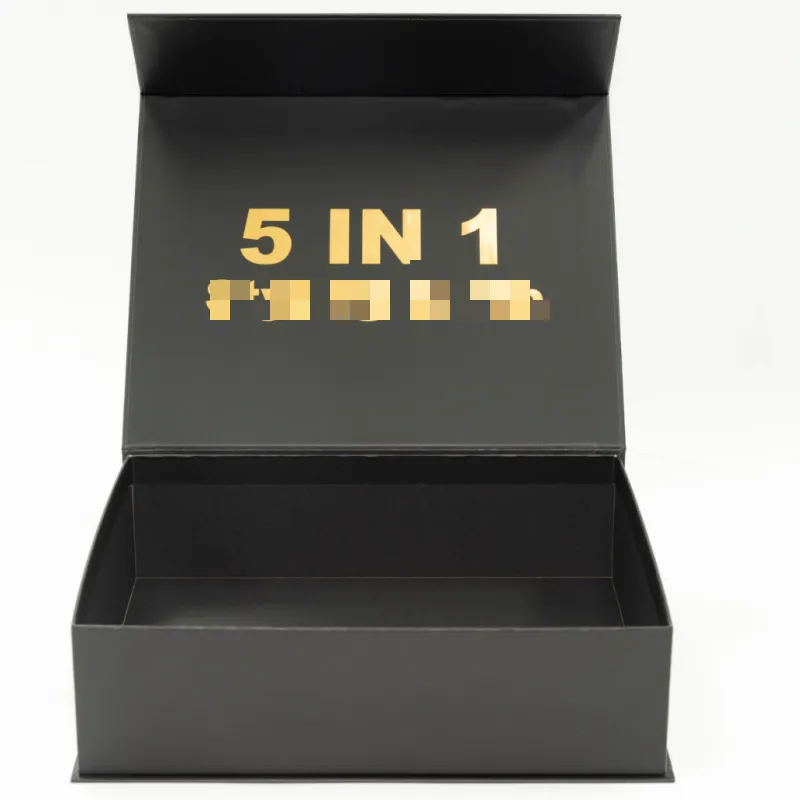
bellyband for books
The bellyband for books represents an innovative protective solution designed specifically for modern book preservation and presentation needs. This specialized wrap-around band system provides comprehensive protection while maintaining the aesthetic appeal of literary collections. The bellyband for books consists of a flexible, adjustable band that wraps securely around the cover, creating a barrier against dust, moisture, and physical damage. This protective system incorporates advanced materials technology, utilizing high-grade synthetic polymers and reinforced fabric components that ensure durability without compromising the book's visual presentation. The technological features of the bellyband for books include precision-engineered closure mechanisms, adjustable sizing capabilities, and breathable fabric construction that prevents moisture buildup. These bands accommodate various book dimensions, from standard paperbacks to large format hardcovers, making them versatile for personal libraries, bookstores, and educational institutions. The applications of bellyband for books extend beyond simple protection, serving collectors who require archival-quality preservation, retailers seeking enhanced product presentation, and educators managing classroom book sets. Libraries utilize these protective bands to extend book life cycles while maintaining easy access for patrons. The bellyband for books features scratch-resistant surfaces, fade-proof coloring, and antimicrobial treatments that prevent bacterial growth on book surfaces. Installation requires no special tools or expertise, as the intuitive design allows users to apply protection in seconds. The bands maintain their protective qualities through repeated use, washing cycles, and extended storage periods. Publishers increasingly recommend bellyband for books as standard protection for premium editions and collector volumes. The system's modular design permits customization with branding elements, making it valuable for promotional purposes and institutional identification. Environmental considerations influenced the development process, resulting in recyclable materials that support sustainability goals while delivering superior protection performance.