

The transformation of paper product designs to align with eco-friendly packaging trends represents one of the most significant shifts in the packaging industry today. As businesses face increasing pressure from consumers, regulators, and stakeholders to reduce environmental impact, paper manufacturers are innovating at an unprecedented pace to develop sustainable alternatives that maintain functionality while minimizing ecological footprint. This evolution encompasses everything from material sourcing and manufacturing processes to design aesthetics and end-of-life disposal considerations.
The adaptation process involves sophisticated engineering approaches that balance environmental responsibility with commercial viability. Modern paper product designers are reimagining traditional packaging concepts by incorporating renewable materials, reducing waste generation, and enhancing recyclability without compromising product protection or brand presentation. This comprehensive transformation reflects a broader industry commitment to sustainable practices that extend throughout the entire packaging lifecycle.
Material Innovation Driving Sustainable Design
Advanced Fiber Technologies
Paper product manufacturers are revolutionizing their approach to eco-friendly packaging through breakthrough fiber technologies that utilize alternative raw materials. These innovations include agricultural residues, bamboo fibers, and recycled content that significantly reduces dependence on virgin wood pulp. The development of these alternative fiber sources requires sophisticated processing techniques that maintain paper strength while achieving environmental objectives.
The integration of these advanced materials necessitates careful engineering to ensure that eco-friendly packaging maintains the structural integrity required for product protection. Manufacturers are developing new bonding agents and treatment processes that enhance paper performance without introducing harmful chemicals. This approach allows companies to achieve sustainability goals while meeting demanding application requirements across various industries.
Barrier Technology Advancement
Traditional barrier coatings that provide moisture and grease resistance are being replaced with bio-based alternatives that maintain eco-friendly packaging standards. These new coating technologies utilize plant-based polymers and water-based formulations that eliminate petroleum-derived components while preserving essential protective properties. The development process requires extensive testing to ensure that these sustainable barriers perform equivalently to conventional options.
The advancement of these barrier technologies enables paper products to compete directly with plastic packaging in applications requiring enhanced protection. Manufacturers are achieving breakthrough performance levels through nano-technology applications and multi-layer coating systems that create effective barriers while maintaining compostability. This progress represents a crucial step toward widespread adoption of eco-friendly packaging solutions across diverse market segments.
Design Optimization for Environmental Impact
Source Reduction Strategies
Contemporary paper product design prioritizes material efficiency through sophisticated engineering approaches that minimize resource consumption while maximizing functionality. This involves structural optimization techniques that reduce material usage through strategic geometric configurations and strength-enhancing design features. Engineers are utilizing computer modeling and stress analysis to identify opportunities for material reduction without compromising performance standards.
The implementation of source reduction strategies requires comprehensive understanding of application requirements and user behavior patterns. Designers are developing eco-friendly packaging solutions that eliminate unnecessary components while enhancing user experience through intuitive opening mechanisms and improved product accessibility. This holistic approach ensures that environmental benefits align with practical usability considerations.
Modular Design Principles
The adoption of modular design principles enables paper product manufacturers to create versatile eco-friendly packaging systems that adapt to multiple applications while maintaining design efficiency. These approaches involve standardized components that can be combined in various configurations to meet specific packaging requirements. This strategy reduces manufacturing complexity while improving material utilization across product lines.
Modular design implementation requires careful consideration of connection mechanisms and assembly procedures that maintain structural integrity while facilitating efficient production processes. Manufacturers are developing innovative joining techniques that eliminate adhesives and mechanical fasteners in favor of integrated folding and interlocking systems. These approaches enhance the recyclability of eco-friendly packaging while reducing manufacturing costs and complexity.
Manufacturing Process Transformation
Clean Production Technologies
The evolution toward eco-friendly packaging requires fundamental changes in paper manufacturing processes that eliminate harmful chemicals and reduce energy consumption. Modern production facilities are implementing closed-loop water systems, renewable energy sources, and chemical-free bleaching processes that minimize environmental impact. These technological advances enable manufacturers to produce high-quality paper products while achieving strict environmental standards.
The integration of clean production technologies necessitates significant capital investment and process reengineering to ensure consistent quality output. Manufacturers are developing sophisticated monitoring systems that track environmental performance metrics in real-time, enabling continuous optimization of production parameters. This data-driven approach ensures that eco-friendly packaging maintains quality standards while achieving environmental objectives.
Energy Efficiency Implementation
Advanced energy management systems are becoming integral to paper product manufacturing as companies strive to reduce the carbon footprint of eco-friendly packaging production. These systems incorporate heat recovery technologies, variable frequency drives, and intelligent process control systems that optimize energy consumption throughout the manufacturing process. The implementation of these technologies requires careful analysis of production workflows and energy usage patterns.
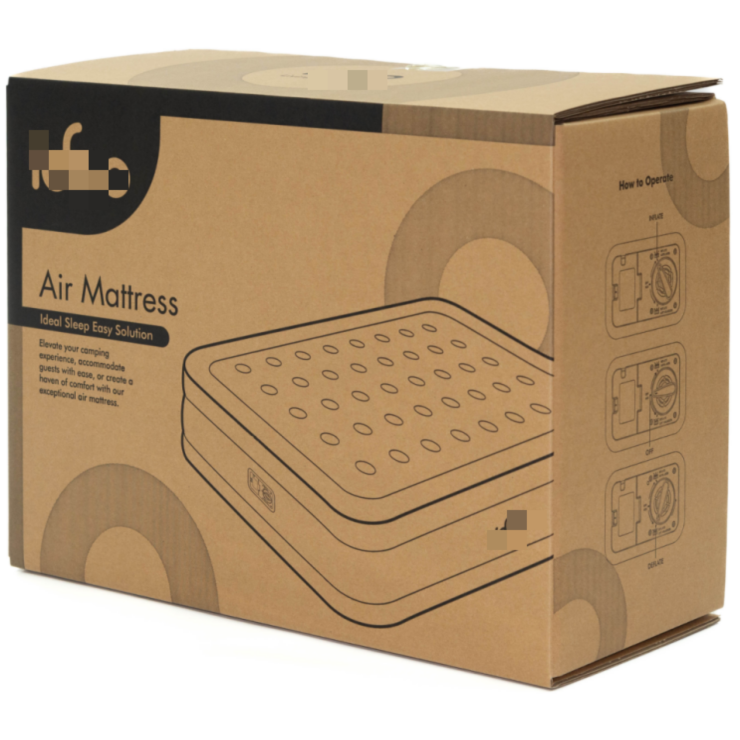
The deployment of energy efficiency measures extends beyond individual equipment optimization to encompass facility-wide energy management strategies. Manufacturers are integrating renewable energy sources, implementing energy storage systems, and developing production scheduling algorithms that minimize peak energy demand. These comprehensive approaches enable significant reductions in the environmental impact of eco-friendly packaging production while improving operational efficiency.
Consumer Response and Market Adaptation
Aesthetic Integration Challenges
The transition to eco-friendly packaging presents unique challenges in maintaining visual appeal and brand recognition while utilizing sustainable materials. Paper product designers are developing innovative printing techniques and surface treatments that achieve premium aesthetics using environmentally responsible methods. These approaches require careful coordination between sustainability objectives and marketing requirements to ensure consumer acceptance.
The resolution of aesthetic challenges involves collaborative efforts between designers, material scientists, and marketing professionals to identify solutions that satisfy multiple stakeholder requirements. Companies are investing in advanced printing technologies and surface treatment methods that enable high-quality graphics reproduction on recycled and alternative fiber substrates. This integration ensures that eco-friendly packaging maintains competitive visual appeal in retail environments.
Functional Performance Expectations
Consumer expectations for eco-friendly packaging performance continue to evolve as sustainable alternatives become more prevalent in the marketplace. Users demand packaging solutions that provide equivalent or superior functionality compared to traditional options while delivering clear environmental benefits. This requires manufacturers to achieve precise performance targets through sophisticated engineering and quality control processes.
Meeting functional performance expectations necessitates comprehensive testing protocols that evaluate eco-friendly packaging under realistic use conditions. Manufacturers are developing accelerated testing methods and performance prediction models that ensure consistent quality delivery across diverse application scenarios. These approaches enable confident market introduction of sustainable packaging solutions that meet demanding performance requirements.
Regulatory Compliance and Certification
Standards Development Evolution
The regulatory landscape surrounding eco-friendly packaging continues to evolve as governments and industry organizations develop comprehensive standards for environmental performance evaluation. These standards encompass lifecycle assessment methodologies, biodegradability testing protocols, and recyclability verification procedures that provide objective measures of environmental impact. Compliance with these standards requires sophisticated testing capabilities and documentation systems.
The implementation of evolving standards necessitates continuous monitoring of regulatory developments and proactive adaptation of manufacturing processes to ensure ongoing compliance. Companies are investing in compliance management systems that track regulatory requirements across multiple jurisdictions while maintaining detailed documentation of environmental performance metrics. This systematic approach enables efficient compliance management while supporting continuous improvement initiatives.
Certification Process Navigation
Third-party certification programs play an increasingly important role in validating the environmental credentials of eco-friendly packaging solutions. These programs provide independent verification of sustainability claims while enabling companies to communicate environmental benefits to consumers and business customers. The certification process requires comprehensive documentation and testing to demonstrate compliance with specific environmental criteria.
Successful certification navigation requires strategic planning and resource allocation to ensure efficient completion of evaluation procedures. Manufacturers are developing internal expertise and partnerships with certification bodies to streamline the verification process while maintaining rigorous environmental standards. This approach enables timely market introduction of certified eco-friendly packaging products while building consumer confidence in sustainability claims.
FAQ
What specific materials are replacing traditional paper coatings in eco-friendly packaging?
Bio-based barrier coatings derived from plant starches, algae-based polymers, and water-based formulations are replacing petroleum-derived coatings. These alternatives provide equivalent moisture and grease resistance while maintaining compostability and recyclability. Manufacturers are also utilizing chitosan from shellfish waste and pectin from fruit processing residues to create effective barrier layers that enhance the sustainability profile of eco-friendly packaging.
How do modular design principles reduce environmental impact in paper packaging?
Modular design reduces environmental impact by enabling standardized components that serve multiple packaging applications, thereby reducing material waste and manufacturing complexity. This approach eliminates the need for application-specific tooling and reduces inventory requirements while improving material utilization efficiency. The standardization also facilitates recycling processes by creating consistent material streams that are easier to process and reuse in new eco-friendly packaging applications.
What testing methods ensure eco-friendly packaging maintains performance standards?
Comprehensive testing protocols include accelerated aging studies, barrier performance evaluation, structural integrity analysis, and biodegradability assessment under controlled conditions. Manufacturers utilize advanced simulation techniques to predict long-term performance characteristics and develop quality control procedures that ensure consistent delivery of functional requirements. These testing methods enable confident specification of eco-friendly packaging for demanding applications while maintaining environmental benefits.
How are energy efficiency improvements implemented in paper manufacturing facilities?
Energy efficiency improvements include heat recovery systems that capture waste heat from drying processes, variable frequency drive implementation for motor optimization, and intelligent process control systems that minimize energy consumption during production cycles. Facilities are also integrating renewable energy sources such as biomass boilers and solar installations while implementing energy storage systems that optimize power usage during peak demand periods, significantly reducing the carbon footprint of eco-friendly packaging production.
Table of Contents
- Material Innovation Driving Sustainable Design
- Design Optimization for Environmental Impact
- Manufacturing Process Transformation
- Consumer Response and Market Adaptation
- Regulatory Compliance and Certification
-
FAQ
- What specific materials are replacing traditional paper coatings in eco-friendly packaging?
- How do modular design principles reduce environmental impact in paper packaging?
- What testing methods ensure eco-friendly packaging maintains performance standards?
- How are energy efficiency improvements implemented in paper manufacturing facilities?