
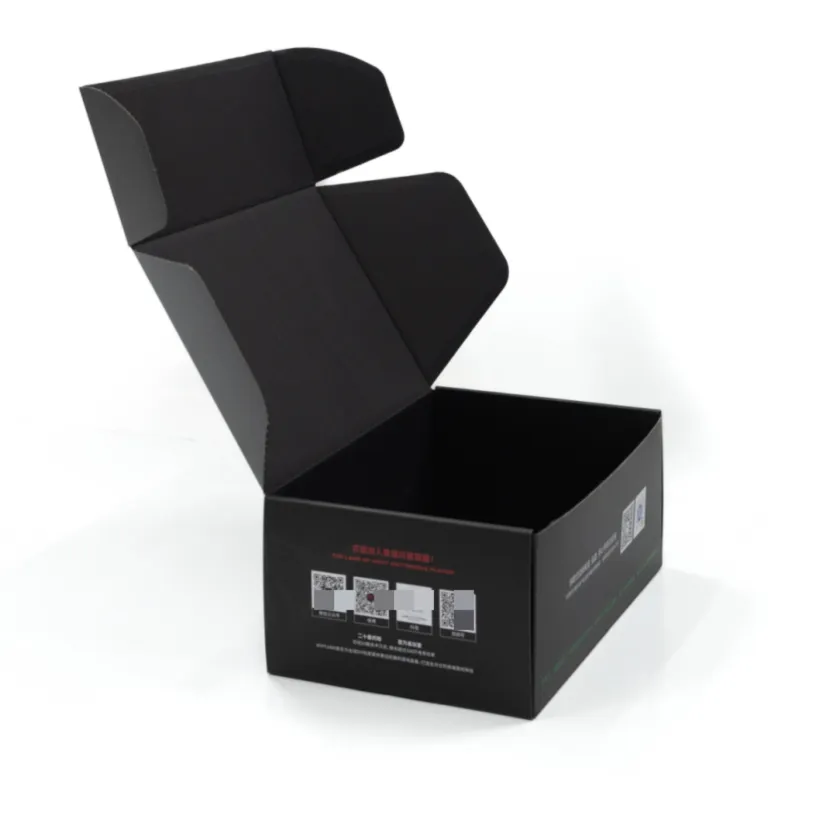
Modern businesses face unprecedented pressure to deliver unique products quickly while maintaining cost efficiency. A packaging factory that successfully balances customization capabilities with rapid turnaround times becomes a strategic competitive advantage for brands across industries. The ability to provide both personalized packaging solutions and accelerated delivery schedules requires sophisticated operational frameworks, advanced technology integration, and streamlined manufacturing processes that many traditional facilities struggle to implement.
The challenge lies in reconciling seemingly opposing demands: customization typically requires longer design phases, specialized tooling, and careful quality control, while fast lead times demand standardized processes, pre-positioned inventory, and streamlined workflows. A successful packaging factory must engineer systems that enable both objectives simultaneously, creating operational excellence that serves diverse client needs without compromising speed or quality standards.
Strategic Manufacturing Infrastructure for Dual Performance
Flexible Production Line Configuration
A packaging factory supporting both customization and speed requires modular production line architecture that can rapidly reconfigure for different product specifications. This involves implementing equipment stations that handle multiple package formats, sizes, and printing requirements without extensive changeover times. Modern facilities utilize quick-change tooling systems that allow operators to switch between custom orders within minutes rather than hours, maintaining production momentum across diverse client requirements.
The key lies in standardizing the changeover process itself while maintaining flexibility in output specifications. Advanced packaging factory operations employ standardized fixture systems, color-coded setup guides, and pre-positioned tooling arrangements that reduce setup complexity. This systematic approach enables rapid transitions between custom jobs while ensuring consistent quality standards across all production runs.
Production scheduling software integrates with manufacturing execution systems to optimize job sequencing, grouping similar customization requirements to minimize changeover frequency while maximizing throughput. This intelligent scheduling reduces the traditional trade-off between customization variety and production efficiency.
Technology-Enabled Customization Platforms
Digital printing technology revolutionizes how a packaging factory approaches customization by eliminating traditional plate-making requirements and setup delays. Variable data printing capabilities allow facilities to produce thousands of unique package designs within single production runs, supporting mass customization strategies that previously required prohibitive setup costs and extended lead times.
Integrated design platforms connect directly with production equipment, allowing clients to submit custom artwork that automatically generates production-ready files with appropriate color profiles, cut lines, and quality specifications. This digital workflow eliminates manual intervention points that typically extend lead times while reducing the potential for specification errors that could delay delivery.
Real-time production monitoring systems provide clients with live updates on their custom order progress, creating transparency that builds confidence in delivery commitments. These systems track each customization through design approval, production scheduling, manufacturing execution, and quality verification stages.
Supply Chain Optimization for Rapid Response
Strategic Material Inventory Management
An effective packaging factory maintains strategic inventory positions across base materials, components, and semi-finished products that support rapid customization without carrying excessive carrying costs. This involves analyzing historical customization patterns to identify common substrate materials, closure types, and component specifications that can be pre-positioned for quick assembly into custom configurations.
Vendor-managed inventory agreements with key suppliers ensure critical materials remain available without requiring large capital investments from the packaging factory. These partnerships often include guaranteed delivery windows and emergency replenishment protocols that protect against supply disruptions that could delay custom orders.

Advanced demand forecasting algorithms analyze client ordering patterns, seasonal trends, and market indicators to optimize inventory positioning. This data-driven approach reduces both stockout risks and excess inventory costs while ensuring materials availability supports committed lead times for custom packaging orders.
Supplier Network Integration
Building a responsive supplier network enables a packaging factory to access specialized materials, components, and capabilities that support unique customization requirements without maintaining extensive in-house inventory. Strategic partnerships with specialty suppliers provide access to unique substrates, specialty inks, and custom components that can be rapidly sourced when specific client projects demand them.
Electronic data interchange systems connect supplier inventory management with production planning software, providing real-time visibility into material availability across the extended supply network. This integration enables accurate lead time commitments that account for both internal production capacity and external material availability.
Supplier qualification programs ensure all network partners meet quality standards and delivery performance requirements that support the packaging factory's commitments to clients. Regular performance reviews and capability assessments maintain network reliability and identify opportunities for continuous improvement.
Process Engineering for Speed and Customization
Lean Manufacturing Implementation
Lean manufacturing principles applied within a packaging factory eliminate waste and non-value-added activities that extend lead times without supporting customization objectives. Value stream mapping identifies bottlenecks, redundant processes, and opportunities for parallel processing that can accelerate custom order fulfillment while maintaining quality standards.
Standardized work instructions ensure consistent execution across custom orders, reducing variability that can extend processing times or compromise quality outcomes. These standards cover setup procedures, quality checkpoints, and changeover protocols that maintain efficiency regardless of customization complexity.
Continuous improvement initiatives systematically address process inefficiencies and identify automation opportunities that support both customization flexibility and speed objectives. Employee involvement in improvement activities ensures practical solutions that address real operational challenges.
Quality Management Integration
Integrating quality management throughout the customization process prevents defects that could delay delivery while ensuring custom products meet specification requirements. Statistical process control systems monitor critical parameters during production, enabling real-time adjustments that maintain quality without stopping production for extensive inspection procedures.
First-article inspection protocols verify that custom specifications are correctly interpreted and implemented before full production begins. This front-loaded quality approach prevents large-batch rejections that could significantly delay delivery schedules while ensuring client satisfaction with final products.
Automated quality verification systems using vision inspection and measurement technologies provide rapid quality confirmation without manual intervention delays. These systems can verify custom printing quality, dimensional accuracy, and assembly correctness at production speeds that support fast lead time commitments.
Client Interface and Communication Systems
Digital Customer Portal Development
Self-service customer portals enable clients to initiate custom packaging projects, upload specifications, and track order progress without requiring extensive customer service intervention that could delay project initiation. These platforms include design validation tools that identify potential manufacturing issues early in the specification process, preventing delays during production phases.
Automated quotation systems provide rapid pricing feedback for custom packaging requests, incorporating material costs, production complexity factors, and current capacity utilization to generate accurate quotes within minutes. This rapid response capability supports client decision-making processes and reduces the overall project timeline from inquiry to delivery.
Real-time communication tools within customer portals enable direct collaboration between clients and packaging factory technical teams, facilitating rapid resolution of specification questions and design optimization opportunities that could impact lead times or manufacturing efficiency.
Project Management and Communication Protocols
Structured project management approaches ensure custom packaging projects progress efficiently through all required phases without unnecessary delays or communication gaps. Defined project phases with clear deliverables and approval requirements provide predictable timelines that clients can rely on for their planning purposes.
Automated status updates keep clients informed of project progress without requiring manual reporting that consumes valuable engineering and customer service resources. These systems generate alerts when projects reach critical milestones or encounter potential delays that might affect delivery commitments.
Escalation protocols ensure that issues requiring client input or decision are rapidly communicated and resolved, preventing minor questions from becoming major delays. Clear communication channels and response time expectations maintain project momentum throughout the customization and production process.
Capacity Planning and Resource Allocation
Dynamic Capacity Management
Effective capacity planning enables a packaging factory to accept custom orders with confident delivery commitments while maintaining utilization efficiency across production resources. Advanced planning systems model capacity requirements for different types of customization work, accounting for setup times, run rates, and quality verification requirements that vary based on project complexity.
Flexible staffing models allow facilities to scale production capacity based on custom order demand without maintaining excessive fixed costs during slower periods. Cross-trained operators can work across multiple production areas, providing operational flexibility that supports both standard production and custom project requirements.
Equipment utilization optimization ensures that specialized capabilities required for customization work are efficiently scheduled to minimize bottlenecks. This includes coordinating digital printing equipment, specialized converting capabilities, and quality verification resources to support committed delivery schedules.
Resource Allocation Strategies
Strategic resource allocation balances standard production requirements with custom project demands to optimize overall facility performance. This involves reserving specific production capacity for custom work while maintaining flexibility to absorb urgent requests when capacity permits.
Priority scheduling systems ensure that time-critical custom orders receive appropriate resource allocation without disrupting other client commitments. These systems consider both delivery requirements and production complexity to optimize scheduling decisions that support all client needs.
Investment planning ensures that equipment capabilities and capacity continue to support growing customization demands while maintaining competitive lead times. Regular capacity analysis identifies expansion needs and technology upgrade opportunities that enhance both customization capabilities and production efficiency.
FAQ
What technologies are most important for a packaging factory to support both customization and fast lead times?
Digital printing equipment, flexible production line configurations, and integrated planning software are the most critical technologies. Digital printing eliminates traditional plate-making delays, flexible lines reduce changeover times, and planning software optimizes scheduling to balance custom and standard work efficiently.
How can a packaging factory maintain quality standards while accelerating production schedules?
Implementing automated quality verification systems, front-loaded inspection protocols, and statistical process control enables quality maintenance at production speeds. These approaches identify and correct quality issues in real-time rather than through time-consuming batch inspection processes.
What inventory strategies help packaging factories respond quickly to custom orders?
Strategic positioning of base materials and components commonly used in customization, vendor-managed inventory agreements, and demand forecasting systems support rapid response. This approach provides material availability without excessive carrying costs while ensuring custom orders can begin production immediately.
How do packaging factories manage capacity to accommodate both standard and custom production?
Dynamic capacity planning systems model different work types, flexible staffing provides scalability, and priority scheduling balances competing demands. Reserved capacity for custom work combined with overflow flexibility ensures both standard and custom clients receive reliable service without compromising delivery commitments.
Table of Contents
- Strategic Manufacturing Infrastructure for Dual Performance
- Supply Chain Optimization for Rapid Response
- Process Engineering for Speed and Customization
- Client Interface and Communication Systems
- Capacity Planning and Resource Allocation
-
FAQ
- What technologies are most important for a packaging factory to support both customization and fast lead times?
- How can a packaging factory maintain quality standards while accelerating production schedules?
- What inventory strategies help packaging factories respond quickly to custom orders?
- How do packaging factories manage capacity to accommodate both standard and custom production?