
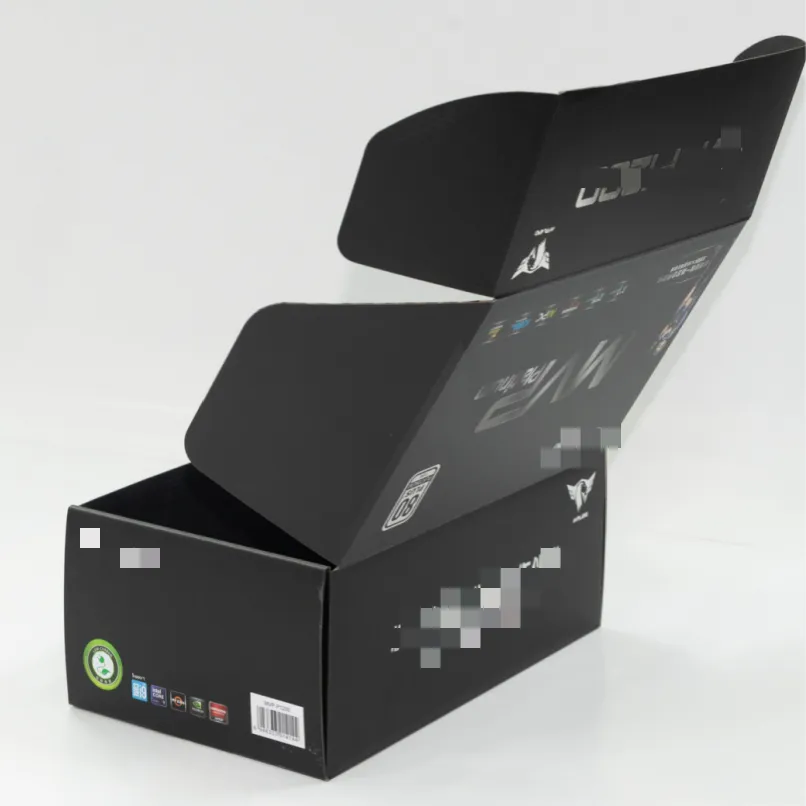
Selecting reliable paper product suppliers is one of the most critical decisions B2B buyers face. Long-term partnerships with paper product suppliers can significantly impact your operational efficiency, cost structure, and product quality. However, evaluating paper product suppliers requires a structured approach that goes far beyond simple price comparison. The right paper product suppliers will align with your production timelines, maintain consistent quality standards, and adapt to your evolving business needs over time.

The landscape of paper product suppliers has become increasingly competitive and specialized. Today's market demands that paper product suppliers offer not just raw materials, but integrated solutions that address sustainability, compliance, customization, and supply chain resilience. Understanding how to properly assess paper product suppliers will protect your business from supply disruptions and ensure you maintain the quality standards your customers expect.
Assessing Quality and Consistency Standards
Material Specifications and Testing Protocols
Quality assessment of paper product suppliers begins with understanding their material specifications and testing capabilities. Reliable paper product suppliers maintain rigorous quality control processes that verify thickness, brightness, moisture content, and tensile strength at every production batch. When evaluating paper product suppliers, request their testing documentation and certification records. Ask whether paper product suppliers conduct third-party audits and what compliance certifications they hold, such as ISO 9001 or industry-specific standards relevant to your applications.
The consistency of paper product suppliers' output directly affects your manufacturing efficiency and waste rates. Paper product suppliers that invest in modern equipment and automated monitoring systems typically deliver more predictable results. During supplier evaluation, request samples from multiple production runs and test them under your specific conditions. This hands-on approach reveals whether paper product suppliers can maintain the tolerance levels your processes require, preventing costly rework and production delays.
Traceability and Documentation Systems
Leading paper product suppliers implement comprehensive traceability systems that document raw material sourcing, production parameters, and quality metrics for each batch. This transparency is essential for B2B buyers who need to verify compliance with customer specifications or regulatory requirements. When assessing paper product suppliers, evaluate their ability to provide batch-specific documentation quickly and accurately. Strong paper product suppliers use digital systems that allow you to access historical performance data, enabling predictive quality management and faster problem resolution.
Evaluating Operational Reliability and Capacity
Production Capacity and Lead Time Consistency
Operational reliability separates excellent paper product suppliers from mediocre ones. Evaluate whether paper product suppliers have sufficient production capacity to meet your volume requirements without quality degradation. Ask about their maximum monthly output, typical lead times, and how they handle seasonal demand fluctuations. Dependable paper product suppliers maintain inventory buffers and flexible scheduling to accommodate your order variations. During your assessment of paper product suppliers, request their historical delivery performance metrics and ask for references from existing clients who can validate their reliability claims.
Lead time consistency is particularly important for B2B operations. Paper product suppliers that provide clear, realistic delivery windows help you optimize your inventory and production schedules. Compare the stated lead times of paper product suppliers against industry benchmarks and your specific workflow needs. The best paper product suppliers will offer expedited options when necessary and communicate transparently if capacity constraints arise, allowing you time to adjust your plans accordingly.
Supply Chain Resilience and Risk Management
Modern B2B operations require paper product suppliers with strong supply chain resilience. Assess whether paper product suppliers have diversified sources for raw materials, multiple production facilities, or contingency plans for disruptions. Ask paper product suppliers about their business continuity strategies, including how they maintain operations during equipment failures, natural disasters, or raw material shortages. Strong paper product suppliers will have documented recovery plans and communicate potential risks proactively to their clients.
Geographic diversification among your paper product suppliers reduces your vulnerability to regional disruptions. Consider evaluating paper product suppliers in different locations to create redundancy in your supply chain. Paper product suppliers with international presence and local market knowledge often adapt faster to regulatory changes and supply constraints. During your evaluation, ask paper product suppliers how they monitor global supply chain trends and what early warning systems they use to alert clients of potential disruptions.
Analyzing Cost Structure and Value Proposition
Pricing Transparency and Total Cost of Ownership
Effective evaluation of paper product suppliers requires analyzing more than just unit prices. Total cost of ownership includes not only the price per unit but also transportation costs, minimum order quantities, payment terms, and potential waste or rework expenses. When comparing paper product suppliers, request detailed pricing breakdowns that clearly separate material costs, processing fees, and delivery charges. Transparent paper product suppliers will explain how their pricing reflects quality investments, capacity utilization, and service offerings, helping you understand what value you receive at each price point.
Look for paper product suppliers that offer flexible pricing models based on volume commitments or long-term contracts. Many paper product suppliers provide volume discounts that improve your cost position as order quantities increase, but these benefits are only valuable if the paper product suppliers maintain quality and reliability at higher volumes. Evaluate whether paper product suppliers will lock in pricing during market volatility, protecting your budget forecasting. The most valuable paper product suppliers help you optimize costs without compromising the quality your end customers demand.
Value-Added Services and Customization Capabilities
Beyond commodity supply, advanced paper product suppliers offer value-added services that reduce your internal workload and improve product performance. Evaluate whether paper product suppliers can customize materials to your specifications, provide technical consultation on material selection, or offer packaging solutions that enhance your brand presentation. Some paper product suppliers provide design support, inventory management services, or just-in-time delivery programs that streamline your operations. These capabilities transform paper product suppliers from simple vendors into strategic partners that directly contribute to your competitive advantage.
Technical expertise differentiates exceptional paper product suppliers. Ask whether paper product suppliers employ material scientists or engineers who can advise on performance optimization, sustainability initiatives, or cost reduction opportunities. The most proactive paper product suppliers will suggest innovations or process improvements that benefit your business. This collaborative approach means paper product suppliers become extensions of your team rather than transactional relationships, creating stickiness and mutual growth.
FAQ
What are the most important criteria when evaluating paper product suppliers?
The most critical criteria include quality consistency, production reliability, transparency in operations, cost structure clarity, and capacity to meet your volume needs. Additionally, assess their technical expertise, supply chain resilience, sustainability practices, and willingness to invest in long-term partnerships. Strong paper product suppliers demonstrate all these dimensions simultaneously, rather than excelling in only one area at the expense of others.
How should B2B buyers assess the quality of paper product suppliers?
Request material certifications, testing documentation, and compliance records from paper product suppliers. Ask for samples from multiple production runs and test them under your actual usage conditions. Verify that paper product suppliers conduct regular audits and maintain traceability systems for batch-specific performance data. Speaking directly with existing customers of paper product suppliers provides invaluable real-world insight into their actual quality performance and consistency over time.
What role should sustainability play in selecting paper product suppliers?
Sustainability is increasingly important for B2B procurement decisions and brand reputation. Evaluate whether paper product suppliers source materials responsibly, hold environmental certifications such as FSC or PEFC, and implement waste reduction programs. Ask paper product suppliers about their carbon footprint, water usage, and plans to transition toward renewable energy. Many B2B customers now require their paper product suppliers to meet specific sustainability standards, making this a critical evaluation dimension that impacts both ethics and long-term business viability.