

Outer packaging serves as the first line of defense for products traveling through complex global supply chains. When outer packaging fails to meet rigorous standards, businesses face costly product damage, customer dissatisfaction, and compromised brand reputation. The relationship between outer packaging and product safety extends far beyond simple aesthetic concerns, influencing how goods survive transit, storage, and handling across international borders. Understanding how outer packaging affects product safety is critical for companies seeking to minimize loss and maintain product integrity.
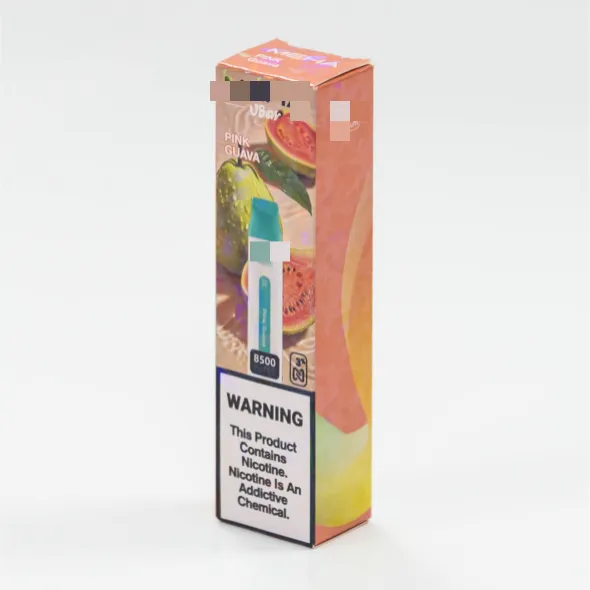
The global supply chain exposes products to numerous hazards including temperature fluctuations, humidity variations, mechanical stress, and rough handling during loading and unloading. Effective outer packaging must address all these variables simultaneously while remaining cost-efficient. Companies that invest in proper outer packaging design experience significantly lower damage rates, reduced returns, and improved customer satisfaction metrics. This article explores how outer packaging directly influences product safety outcomes across international logistics networks.
How Outer Packaging Protects Products During Transit
Mechanical Protection and Impact Resistance
Outer packaging must absorb and dissipate impact forces that occur naturally during transport. When packages are dropped, stacked, or subjected to vibration during shipping, outer packaging absorbs these shocks to protect the contents inside. The structural integrity of outer packaging determines whether internal products experience damage from external force. Materials like corrugated cardboard, molded pulp, and reinforced paperboard provide varying levels of impact protection based on their construction and thickness.
The design of outer packaging also influences how forces distribute across the package surface. Inadequate outer packaging may concentrate impact forces at weak points, leading to punctures, dents, or product breakage. Advanced outer packaging incorporates cushioning systems, corner reinforcement, and strategic material selection to spread impact forces evenly. For fragile products, outer packaging with multiple protective layers creates a buffer zone that reduces the likelihood of direct contact between the product and external hazards.
Environmental Barrier Functions
Outer packaging acts as a critical environmental barrier in global supply chains where temperature and humidity variations are unavoidable. Improper outer packaging allows moisture ingress, which can corrode metal components, degrade electronics, or compromise product efficacy. During sea transport, outer packaging encounters high humidity and salt spray, making moisture resistance a fundamental requirement. Outer packaging materials and design choices determine the level of environmental protection a product receives throughout its supply chain journey.
Specialized outer packaging for temperature-sensitive products incorporates insulation properties that help maintain stable internal conditions. Pharmaceutical shipments, for example, require outer packaging that minimizes temperature fluctuations during transit through various climatic zones. Chemical products benefit from outer packaging that resists moisture and prevents vapor transmission. The effectiveness of outer packaging as an environmental barrier directly correlates with reduced product spoilage, chemical reactions, and quality degradation.
Outer Packaging Design Elements That Enhance Product Safety
Material Selection and Structural Integrity
The choice of materials for outer packaging fundamentally determines safety performance in supply chains. Corrugated cardboard remains the industry standard for outer packaging due to its balance of protection, cost-effectiveness, and recyclability. However, outer packaging requirements vary by industry, with some products demanding plastic composite materials, metal containers, or composite solutions. The structural properties of outer packaging materials must match the specific hazards anticipated during the supply chain journey.
Outer packaging design must account for stacking loads that occur in warehouses and distribution centers. If outer packaging lacks sufficient compression strength, lower packages may collapse under the weight of stacked units, causing damage to products inside. Modern outer packaging engineering uses finite element analysis to optimize wall thickness, flute direction, and material composition. This ensures that outer packaging maintains integrity even when subjected to extreme stacking conditions common in global logistics networks.
Seal Quality and Tamper Evidence
Outer packaging must be securely sealed to prevent contamination, theft, and tampering throughout the supply chain. Poor sealing of outer packaging creates vulnerability points where moisture, pests, or contaminants can enter. Tamper-evident outer packaging design reassures customers that products have not been compromised and builds confidence in product authenticity. For regulated industries like pharmaceuticals and food, outer packaging seal integrity is a legal compliance requirement, not just a safety preference.
Advanced outer packaging incorporates features like security tapes, holographic elements, and serialization to enhance traceability and prevent counterfeiting. These outer packaging security measures protect brand reputation and ensure customer safety by preventing fake products from reaching consumers. The investment in robust outer packaging sealing mechanisms pays dividends through reduced product loss and enhanced supply chain transparency.
Industry-Specific Outer Packaging Requirements and Safety Implications
Electronics and Sensitive Equipment
Electronics require specialized outer packaging that provides electrostatic discharge protection in addition to mechanical protection. Static electricity can damage sensitive components even when outer packaging prevents visible physical damage. Effective outer packaging for electronics incorporates conductive materials and grounding features to dissipate electrical charges safely. The outer packaging must also account for moisture sensitivity, as many electronic components degrade when exposed to humidity during storage and transit.
Custom outer packaging designed for electronic devices includes foam inserts, protective corners, and moisture-absorbing materials that maintain safe internal conditions. When outer packaging fails to provide adequate electrostatic or moisture protection, products arrive defective despite appearing undamaged externally. The total cost of inadequate outer packaging includes not only damaged goods but also warranty claims, customer service expenses, and reputational damage.
Pharmaceutical and Chemical Products
Pharmaceutical products demand outer packaging that maintains product efficacy through temperature and humidity control. Regulatory agencies mandate that outer packaging protects products within specified storage conditions throughout the supply chain. If outer packaging allows temperature or humidity deviations, medications may lose potency or develop harmful chemical reactions. The outer packaging must provide documentation of conditions experienced during transit, adding an additional layer of safety accountability.
Chemical products require outer packaging designed to prevent leakage and contain hazardous materials if accidents occur. Outer packaging for chemicals must comply with international maritime, air transport, and ground shipping regulations. The outer packaging serves not only to protect the product but also to protect handlers, warehouse workers, and end customers from exposure to dangerous materials. Inadequate outer packaging of chemical products creates environmental and safety liabilities that far exceed the cost of proper packaging design.
FAQ
What happens when outer packaging fails in global supply chains?
When outer packaging fails, products experience damage ranging from cosmetic defects to complete loss of functionality. Outer packaging failure results in increased return rates, warranty claims, and customer dissatisfaction. In regulated industries, outer packaging failure can trigger product recalls and regulatory investigations. The financial impact includes not only lost product value but also logistics costs for managing returns and replacement shipments. Companies face reputational damage that affects customer trust and brand positioning in competitive markets.
How can businesses improve outer packaging safety performance?
Businesses should conduct thorough supply chain risk assessments to identify hazards that outer packaging must address. Outer packaging design should incorporate protective features appropriate to the specific product and anticipated transit conditions. Testing outer packaging against drop, compression, and environmental stress conditions provides data-driven confidence in safety performance. Collaborating with packaging experts ensures that outer packaging design balances protection, cost, and sustainability objectives. Regular monitoring of product damage rates provides feedback for continuous outer packaging improvement.
Why is outer packaging especially critical for electronics and fragile items?
Electronics and fragile items have zero tolerance for mechanical damage, making outer packaging protection essential. These products typically have high per-unit value, making even single-unit damage financially significant. Outer packaging for electronics must address both physical protection and electrostatic discharge risks that other products do not face. Fragile items require outer packaging with sophisticated cushioning systems that absorb impact forces while maintaining compact dimensions for shipping efficiency. The cost of outer packaging protection is minimal compared to the value of products it safeguards.