

Paper cases have emerged as a cornerstone solution for businesses seeking reliable and secure packaging for commercial products. Whether protecting electronics, pharmaceuticals, cosmetics, or industrial components, paper cases deliver a combination of durability, sustainability, and cost-effectiveness that modern enterprises demand. Understanding how paper cases support secure packaging is essential for supply chain managers, product developers, and packaging professionals who need to balance protection requirements with environmental responsibility and budget constraints.
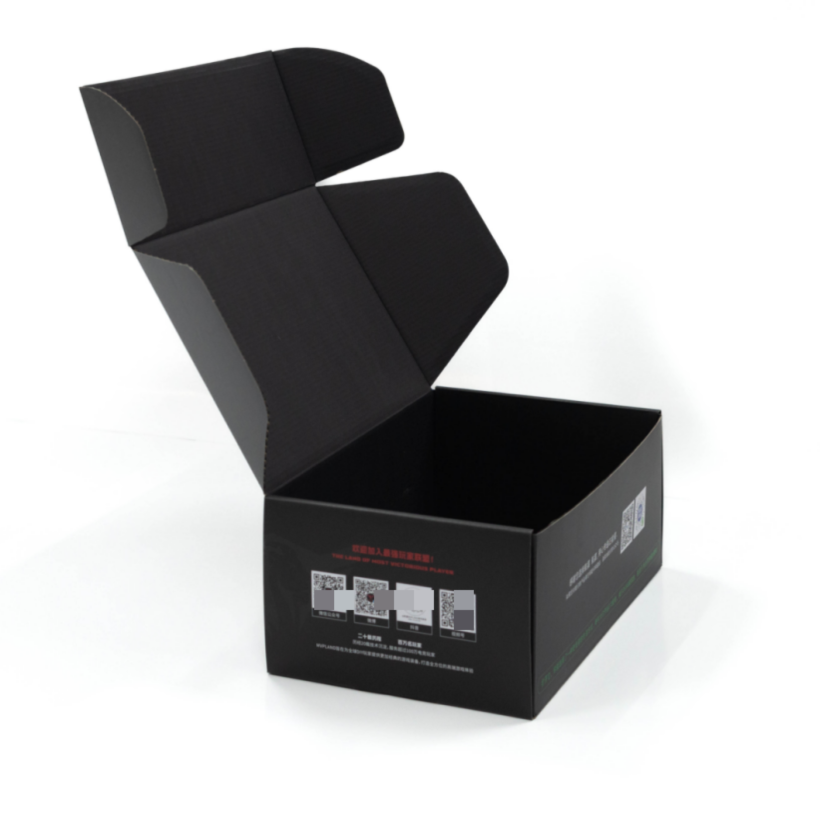
The effectiveness of paper cases extends far beyond simple containment. Modern paper cases incorporate structural engineering, material science, and protective design principles that safeguard products throughout the supply chain. From warehouse storage to final delivery, paper cases maintain product integrity while communicating brand identity and supporting sustainability initiatives that resonate with contemporary consumers and regulatory standards.
Structural Design and Protection Mechanisms
Multi-Layer Construction for Impact Resistance
Paper cases achieve superior protection through multi-layer construction that combines corrugated paper, kraft paper, and specialized coatings. These layers work synergistically to absorb impacts, distribute stress, and prevent product damage during transit and handling. The corrugated structure creates air pockets that cushion products against shocks, vibrations, and pressure that occur during shipping. Paper cases with proper wall thickness and flute design can withstand significant compression forces while remaining relatively lightweight, reducing transportation costs and environmental impact.
The configuration of paper cases directly influences protective performance. Double-wall and triple-wall paper cases provide enhanced strength for heavier products, sensitive electronics, or items requiring extended storage periods. Surface treatments on paper cases, including water-resistant coatings and barrier films, protect contents from moisture, dust, and environmental contaminants. Professional packaging engineers select paper case specifications based on product weight, fragility, climate conditions, and supply chain duration to ensure optimal protection.
Secure Closure Systems and Tamper Evidence
Secure closure mechanisms integrated into paper cases prevent unintended opening and provide tamper evidence that protects brand reputation and customer safety. Tape application systems, interlocking flaps, and adhesive bonds create reliable seals that maintain product security during storage and transportation. Many commercial applications require paper cases with tamper-evident features that make unauthorized access immediately visible. These security enhancements are particularly critical for pharmaceuticals, food products, and high-value electronics where tampering poses significant legal and safety risks.
Paper cases designed with internal dividers and compartments protect individual products from contact with each other, preventing scratches, contamination, and shifting during transit. Foam inserts and protective cushioning materials work alongside paper case construction to create comprehensive protection systems. These design features ensure that paper cases maintain their protective function even when subjected to rough handling, temperature fluctuations, and varying humidity levels common in global supply chains.
Material Characteristics and Durability
Sustainability and Environmental Performance
Paper cases offer significant environmental advantages compared to plastic or polystyrene alternatives, aligning with corporate sustainability goals and consumer preferences. Kraft paper used in paper cases comes from renewable resources and maintains structural integrity comparable to synthetic materials. The recyclability of paper cases supports circular economy principles, allowing used packaging to return to production cycles rather than accumulating in landfills. Many manufacturers now prioritize paper cases because they reduce carbon footprint, require less energy to produce, and eliminate persistent polymers that threaten ecosystems.
Biodegradable paper cases decompose within reasonable timeframes when exposed to natural environmental conditions, providing a responsible alternative to packaging that persists for decades. Companies choosing paper cases demonstrate environmental stewardship that attracts conscious consumers and satisfies increasingly stringent regulatory requirements. Certifications for paper cases, such as Forest Stewardship Council approval, verify sustainable sourcing practices and responsible forestry management that protect natural resources for future generations.
Moisture Resistance and Environmental Barriers
Advanced paper cases incorporate moisture barriers and specialized coatings that protect against humidity, condensation, and water exposure during storage and transport. Polyethylene coatings, wax treatments, and synthetic barrier films applied to paper cases create protective membranes that prevent water penetration while maintaining the structural integrity of the underlying paper material. These moisture-resistant paper cases preserve product quality during extended warehousing, tropical climate exposure, and humid maritime shipping conditions where unprotected packaging would fail.
Paper cases with integrated desiccant compartments or humidity-control features actively regulate moisture levels within the packaging environment. This capability is especially valuable for electronics, optics, pharmaceuticals, and hygroscopic products that degrade when exposed to excessive moisture. The combination of barrier coatings and moisture management systems makes paper cases suitable for demanding applications where protection standards exceed basic requirements.
Commercial Applications and Industry-Specific Solutions
Electronics and High-Value Product Protection
Electronics manufacturers rely on paper cases to protect devices from electrostatic discharge, physical damage, and environmental contamination throughout the supply chain. Custom-designed paper cases with conductive properties prevent static buildup that could damage sensitive components. The cushioning properties of paper cases protect against the impacts and vibrations that occur during automated sorting, manual handling, and transportation transitions. Electronics shipped in properly designed paper cases arrive in perfect condition, reducing return rates and customer dissatisfaction while preserving profit margins.
Paper cases for electronics incorporate features like internal compartments for cables, documentation, and accessories that enhance unboxing experience and product perception. The structural rigidity of paper cases maintains consistent compression around fragile components, preventing internal movement that could cause damage during transit. Premium paper cases with custom graphics and branded messaging transform packaging into marketing tools that reinforce brand identity at the moment of customer contact.
Pharmaceutical and Food Industry Requirements
Pharmaceutical companies select paper cases that meet strict regulatory requirements for product protection, documentation, and contamination prevention. Paper cases with barrier properties prevent chemical interactions between products and packaging materials, ensuring medication integrity and compliance with safety standards. Temperature-controlled paper cases protect medications sensitive to heat or cold during storage and transit, maintaining efficacy and safety profiles required by healthcare providers and regulatory agencies.
Food manufacturers utilize paper cases that prevent flavor transfer, protect against pest contamination, and maintain nutritional integrity throughout the supply chain. The food-grade certifications of paper cases verify that materials won't leach harmful substances into consumable products. Custom paper cases for specialty foods, beverages, and temperature-sensitive products provide the dual functionality of protection and brand communication that differentiates products in competitive retail environments.
FAQ
How do paper cases compare to plastic packaging in terms of protective performance?
Paper cases offer comparable or superior protective performance to many plastic alternatives while providing distinct advantages in sustainability and cost-effectiveness. Multi-layer paper cases absorb impact energy effectively, distribute stress across broader surface areas, and accommodate custom internal configurations that plastic solutions struggle to achieve at equivalent price points. When properly engineered, paper cases protect sensitive products as reliably as plastic alternatives while generating significantly lower environmental impact and lifecycle costs across the supply chain.
Can paper cases be customized for specific product dimensions and protection requirements?
Yes, paper cases offer extensive customization capabilities including internal dividers, compartments, foam inserts, and protective barriers tailored to specific product specifications. Manufacturers design paper cases with precise internal dimensions that prevent product shifting, protect against contact damage, and optimize space efficiency. Custom wall thickness, material selection, closure systems, and finishing options allow paper cases to address virtually any commercial packaging requirement while maintaining cost competitiveness.
What factors should companies consider when selecting paper cases for commercial products?
Companies should evaluate product weight and fragility, supply chain conditions, storage duration, regulatory requirements, and sustainability goals when selecting paper cases. Assessing moisture exposure, temperature fluctuations, and handling practices determines the appropriate paper case specifications needed for reliable protection. Cost analysis should include not only initial packaging expense but also damage rates, customer satisfaction impacts, and environmental compliance costs that collectively influence total cost of ownership and brand reputation.