

When sourcing paper cases from factories, buyers face a complex set of decisions that go well beyond simply comparing prices. Paper cases serve as both a protective layer and a brand communication tool, which means every sourcing choice directly influences how end customers perceive your product. Understanding the right questions to ask, the right specifications to evaluate, and the right factory signals to look for can make the difference between a successful packaging program and a costly mistake.
The global demand for paper cases continues to grow across industries including electronics, cosmetics, food, and luxury goods. As more brands shift away from plastic packaging, paper cases have become a preferred solution for sustainable and premium presentation. However, not all paper cases are manufactured to the same standard, and not all factories possess the capability to deliver consistent quality at scale. This guide outlines the most critical factors buyers should evaluate before placing an order for paper cases from any factory.
Structural Integrity and Material Specifications
Choosing the Right Board Weight and Material Type
The structural performance of paper cases depends heavily on the board weight and material composition selected at the design stage. Paper cases are typically constructed from greyboard, kraft board, or coated duplex board, each offering different rigidity, surface finish, and weight-bearing characteristics. Buyers must specify the exact grammage required for their paper cases based on the product being packaged, the expected shipping conditions, and any stacking or shelf-display requirements. A factory that cannot clearly explain how its paper cases are engineered for load tolerance should be treated with caution.
Lamination choices also significantly affect how paper cases perform in transit and storage. Gloss lamination, matte lamination, and soft-touch finishes all change the tactile and visual character of paper cases while also affecting moisture resistance. Buyers should request physical samples and subject those paper cases to realistic stress tests before approving any specification. Factories experienced in producing high-quality paper cases will typically offer a range of certified materials with verifiable test data.
Dimensional Accuracy and Structural Consistency
Dimensional consistency is a critical quality marker for paper cases, especially when the cases must fit specific inserts, trays, or retail display slots. Even small deviations in the folding or scoring of paper cases can cause assembly issues, poor closure performance, or visible gaps that undermine the premium feel. Buyers should ask factories about their tolerance control procedures and whether they use automated cutting and scoring equipment to maintain consistent paper cases across large production runs. Requesting a pre-production sample batch of paper cases allows buyers to verify dimensional accuracy before committing to full production.
Print Quality, Finishing, and Customization Capability
Evaluating Print Processes for Paper Cases
Print quality is one of the most visible performance factors in paper cases, particularly for brand-sensitive applications. Factories producing paper cases typically use offset printing, digital printing, or silk-screen printing depending on the order volume and design complexity. Offset printing remains the standard for high-volume paper cases because it delivers sharp color reproduction and consistent ink coverage across thousands of units. Buyers should verify whether the factory uses color management systems and whether their paper cases are printed against approved Pantone references or brand color profiles.
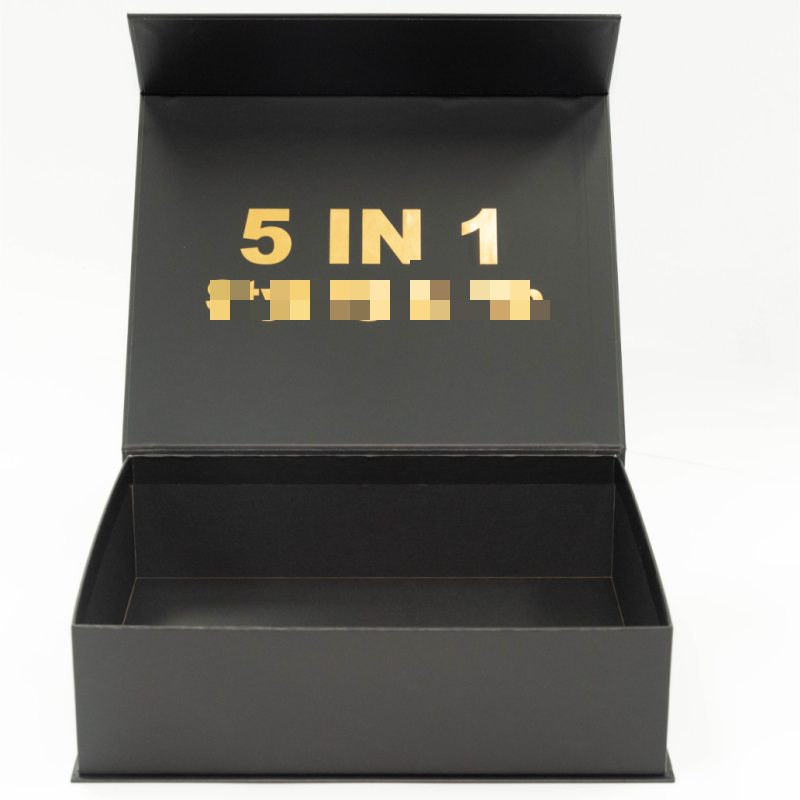
Beyond print, finishing techniques such as hot stamping, UV spot coating, embossing, and debossing add significant perceived value to paper cases. These surface treatments require specialized tooling and skilled operators, so not every factory is equally capable. When sourcing paper cases with complex finishes, buyers should ask to see physical samples of similar paper cases the factory has previously produced. This validation step reduces the risk of visual defects that can only be identified in the finished paper cases rather than on a digital proof.
Customization Flexibility and Minimum Order Quantities
Customization flexibility is a decisive factor for buyers sourcing paper cases for niche product lines or seasonal campaigns. Some factories specialize in high-volume standard paper cases and may not accommodate small-batch customization or unusual structural configurations. Buyers should clarify minimum order quantities for paper cases early in the negotiation process, as MOQ thresholds vary widely between factories. A factory that offers structured sampling programs and flexible paper cases tooling arrangements is generally a better fit for brands that require agility in their packaging strategy.
Factory Reliability, Compliance, and Lead Time Management
Assessing Factory Credentials for Paper Cases Production
When evaluating any factory for paper cases production, buyers should look beyond marketing claims and examine documented evidence of quality management systems. ISO 9001 certification is a baseline indicator that a factory follows structured processes for producing paper cases. FSC certification matters for buyers whose brands make sustainability commitments, as it confirms that the raw materials used in paper cases originate from responsibly managed forests. Factories that produce paper cases for export markets should also be able to provide relevant chemical compliance documentation, including REACH or RoHS compliance for any inks or coatings applied to the paper cases.
Lead Times, Capacity, and Communication Standards
Reliable lead time management is essential when sourcing paper cases for product launches or promotional campaigns with fixed deadlines. Buyers should request a detailed production schedule for their paper cases order, including milestones for material procurement, printing, finishing, and quality inspection. Factories that produce paper cases at scale typically have dedicated account managers who can provide regular production updates and flag risks early. Poor communication during the paper cases production process is often an early warning sign of broader operational problems.
Capacity planning is equally important. A factory that can deliver a small sample batch of paper cases efficiently may not have the floor space or staffing to scale that order by a factor of ten without quality degradation. Buyers should conduct factory audits or request third-party inspection reports before confirming large paper cases orders to assess actual production capacity and quality control infrastructure.
FAQ
What board thickness is typically recommended for rigid paper cases?
Most rigid paper cases use greyboard between 1200gsm and 2000gsm depending on the required rigidity. Heavier boards produce more durable paper cases suited for luxury or electronics applications, while lighter boards are appropriate for paper cases used in lighter consumer goods.
How can buyers verify the print color accuracy of paper cases before mass production?
Buyers should request a physical proof sample from the factory before approving paper cases for full production. Color accuracy in paper cases can be verified against approved Pantone swatches or brand color standards, and any deviation should be corrected before the production run begins.
Are there sustainability certifications buyers should require for paper cases?
FSC certification is the most widely recognized standard for sustainable paper cases and confirms that the materials used meet responsible sourcing criteria. Buyers who prioritize eco-credentials should ask factories to provide FSC chain-of-custody documentation specific to the paper cases being ordered.