
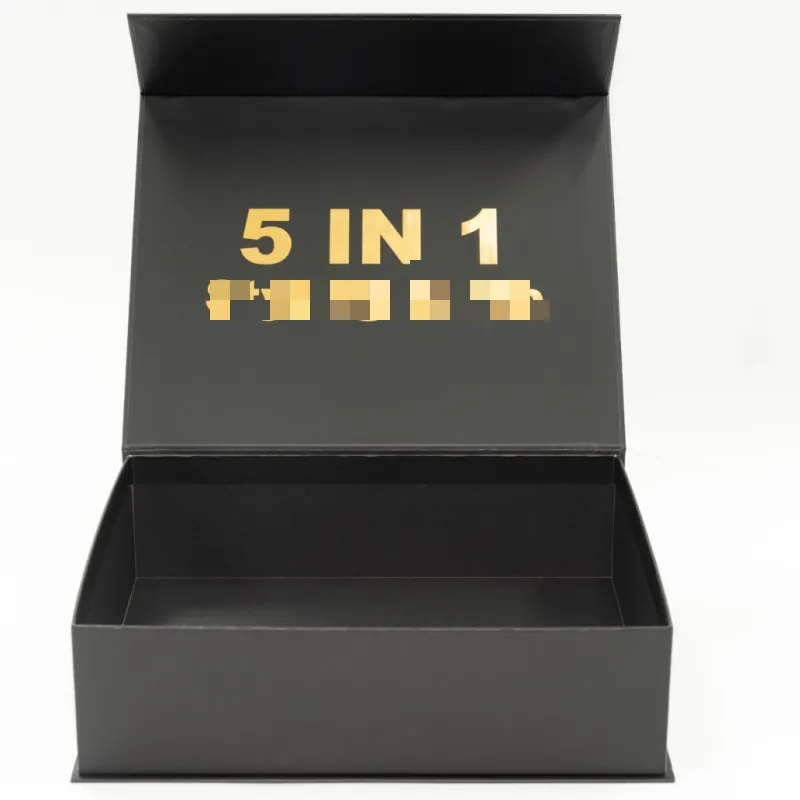
Choosing the right outer packaging for heavy and fragile products is one of the most critical decisions in supply chain management and product delivery. When items are both heavy and prone to damage, the stakes are even higher—poor packaging choices lead to broken goods, customer dissatisfaction, returns, and significant financial losses. The outer packaging for heavy and fragile products must balance structural strength with protective cushioning, accommodate weight distribution, and survive the rigors of transportation and handling without compromising on cost efficiency.
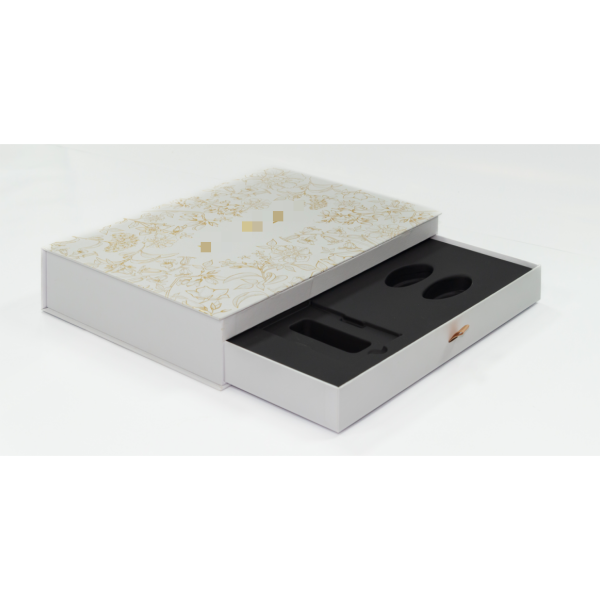
The challenge of selecting outer packaging for heavy and fragile products requires understanding material properties, protective design principles, regulatory requirements, and real-world shipping scenarios. Businesses that invest time in proper packaging evaluation see measurable improvements in product arrival quality, reduced damage claims, and stronger customer loyalty. This guide explores the key factors to consider when making this critical selection decision.
Material Selection for Heavy and Fragile Product Protection
Corrugated Board Strength and Grade Specifications
Corrugated cardboard remains the industry standard for outer packaging for heavy and fragile products due to its excellent strength-to-weight ratio and cost-effectiveness. The outer packaging for heavy and fragile products must use appropriate flute profiles and board grades that match the item weight and fragility level. Single-wall corrugated is suitable for lighter items up to 10 kg, double-wall corrugated handles moderate weights between 10–30 kg, and triple-wall or reinforced corrugated is necessary for heavier items exceeding 30 kg.
When selecting outer packaging for heavy and fragile products, understanding burst strength and edge crush strength becomes essential. Edge crush strength indicates how much vertical pressure the flutes can withstand before collapsing, directly affecting stackability during storage and transit. The outer packaging for heavy and fragile products should meet or exceed industry standards such as ISO 3127 to ensure reliable performance under realistic warehouse and shipping conditions.
Alternative and Supplementary Materials
While corrugated board dominates, supplementary materials enhance outer packaging for heavy and fragile products in specific scenarios. Rigid boxes with foam or pulp inserts provide superior protection for extremely fragile items combined with significant weight. The outer packaging for heavy and fragile products may incorporate paperboard layers, plastic reinforcement, or internal dividers to prevent movement and absorb impact energy.
Molded pulp fiber, expanded polystyrene, and polyethylene foam are common interior protection materials paired with robust outer packaging for heavy and fragile products. Choosing eco-friendly alternatives like recycled cardboard with biodegradable cushioning can meet sustainability goals while maintaining the protective integrity that outer packaging for heavy and fragile products demands in high-impact environments.
Design Features and Structural Considerations
Impact Resistance and Cushioning Strategy
Effective outer packaging for heavy and fragile products must incorporate multiple layers of impact protection. Exterior cartons should have sufficient wall thickness and strength to absorb sudden drops or crushing forces during handling. The outer packaging for heavy and fragile products benefits from reinforced corners, cross-bracing, and internal supports that distribute weight evenly across the box structure.
Interior cushioning is equally critical when designing outer packaging for heavy and fragile products. Air gaps between the fragile item and the outer packaging for heavy and fragile products create shock absorption zones that dissipate energy from impacts. Foam inserts, bubble wrap, and crinkle paper all contribute to this protective buffer, but the choice depends on the specific fragility profile and weight of your product.
Weight Distribution and Structural Stability
Heavy items within outer packaging for heavy and fragile products require careful consideration of weight placement and internal bracing. When the product itself is heavy, the outer packaging for heavy and fragile products must prevent internal shifting that could damage delicate components. Using compartmented inserts, foam blocks, and secured strapping ensures that items remain stable throughout transport regardless of handling intensity.
The outer packaging for heavy and fragile products should include considerations for palletization and stacking limits. Clearly marked stack height limits on your outer packaging for heavy and fragile products prevent warehouse personnel from creating unstable stacks that might collapse and cause product damage. Internal reinforcement and increased board wall thickness directly support the structural stability demanded by heavy item packaging.
Testing, Compliance, and Practical Implementation
Certification Standards and Performance Validation
Selecting outer packaging for heavy and fragile products means verifying compliance with relevant standards such as ISTA protocols, ASTM D4169, and regional regulations. Drop tests, compression tests, and vibration tests all confirm that your outer packaging for heavy and fragile products performs reliably under typical distribution scenarios. These certifications provide documented evidence that outer packaging for heavy and fragile products meets minimum performance thresholds.
Third-party testing facilities can simulate real-world shipping conditions and help optimize outer packaging for heavy and fragile products before full-scale production. Testing data directly informs decisions about material grades, cushioning thickness, and protective features needed in outer packaging for heavy and fragile products. Investing in validation upfront prevents costly failures after product launch.
Cost Optimization and Supplier Collaboration
The cost of outer packaging for heavy and fragile products can represent a significant portion of total shipping expenses, making optimization important. Working closely with experienced packaging suppliers helps identify where reinforcement is genuinely needed versus where costs can be reduced without compromising protection. Bulk ordering of standardized outer packaging for heavy and fragile products improves unit economics while maintaining consistent quality.
Innovative designs and materials can reduce outer packaging for heavy and fragile products weight while maintaining protection standards. Lightweight corrugated alternatives, strategic foam placement, and outer packaging for heavy and fragile products with interactive unboxing features create value beyond basic protection. Suppliers experienced with outer packaging for heavy and fragile products can recommend combinations of materials and design that balance protection, cost, sustainability, and brand experience.
FAQ
What are the main factors to consider when selecting outer packaging for heavy and fragile products?
The primary factors include material strength and grade, weight capacity, internal cushioning layers, impact resistance testing, regulatory compliance, and supplier capabilities. The outer packaging for heavy and fragile products must accommodate both the structural demands of weight and the protection requirements of fragility. Additionally, cost efficiency, sustainability goals, and brand presentation should all inform your final selection for outer packaging for heavy and fragile products.
How do I determine the correct corrugated board grade for outer packaging for heavy and fragile products?
Match the corrugated grade to your combined weight and fragility requirements. Items under 10 kg typically use single-wall, 10–30 kg use double-wall, and items over 30 kg generally require triple-wall corrugated or reinforced alternatives. Work with packaging suppliers to conduct drop and compression tests specific to your product when finalizing outer packaging for heavy and fragile products. This testing confirms that your chosen grade maintains integrity under realistic distribution conditions.
Can sustainable materials work effectively in outer packaging for heavy and fragile products?
Yes, recycled corrugated cardboard, molded pulp fiber, and biodegradable cushioning materials provide excellent protection comparable to virgin plastics when properly engineered. The key is working with packaging professionals who understand how to optimize outer packaging for heavy and fragile products using eco-friendly alternatives. Many companies successfully balance sustainability commitments with the rigorous protection standards required for outer packaging for heavy and fragile products in modern supply chains.
Table of Contents
- Material Selection for Heavy and Fragile Product Protection
- Design Features and Structural Considerations
- Testing, Compliance, and Practical Implementation
-
FAQ
- What are the main factors to consider when selecting outer packaging for heavy and fragile products?
- How do I determine the correct corrugated board grade for outer packaging for heavy and fragile products?
- Can sustainable materials work effectively in outer packaging for heavy and fragile products?