
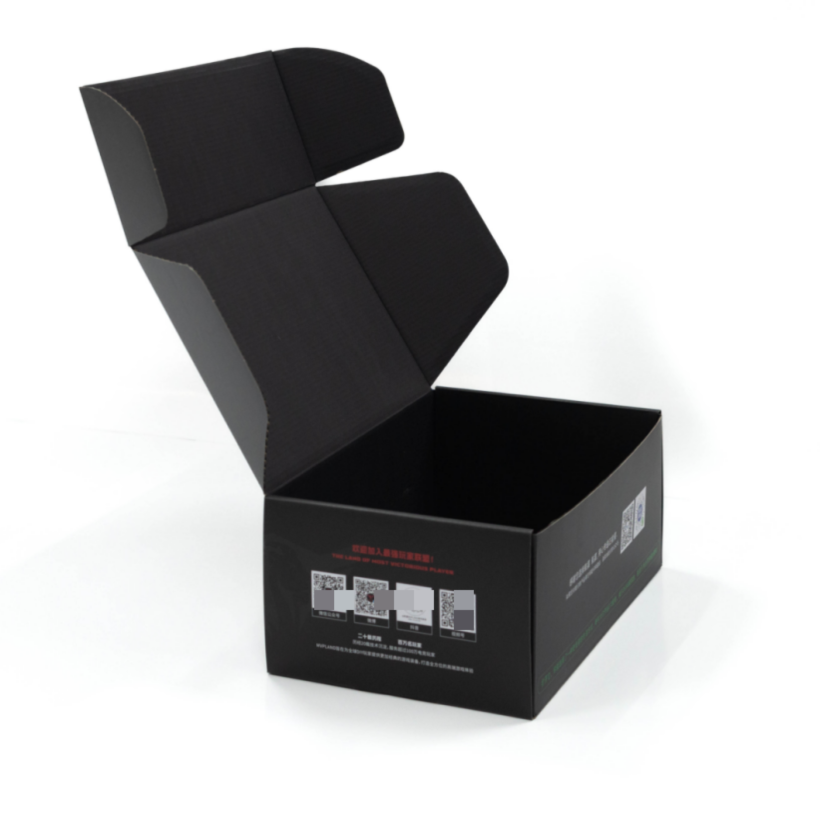
Selecting the right paper boxes for large-scale production is one of the most critical decisions a manufacturing or export business can make. The choice of packaging directly impacts product protection, shipping costs, brand perception, and regulatory compliance. When you operate at scale, even small efficiency gains in packaging selection compound into significant cost savings and operational improvements. This guide provides practical frameworks for evaluating and choosing paper boxes for large-scale production that align with your production timeline, export requirements, and quality standards.

At scale, the logistics of paper boxes for large-scale production involve coordinating material sourcing, production capacity, inventory management, and distribution networks. You cannot treat packaging selection as an afterthought or a simple cost-cutting exercise. Strategic selection of paper boxes for large-scale production ensures that your supply chain remains resilient, your products arrive safely, and your export documentation meets international standards. The following sections break down the essential criteria, material considerations, and decision-making process for selecting optimal packaging solutions.
Understanding Material Grades and Strength Standards
Kraft Paper Box Composition and Performance
Kraft paper boxes used in paper boxes for large-scale production systems are engineered from chemical pulp processed to achieve specific burst strength, crush resistance, and puncture tolerance. The quality of kraft paper directly correlates with the protection your products receive during handling, storage, and international transit. When you select paper boxes for large-scale production, you must evaluate the flute type (A, B, C, E, or F flute) and the paper weight (basis weight measured in pounds or grams per square meter). A-flute provides maximum cushioning but requires more material; B-flute and C-flute offer balanced strength and cost efficiency; E and F flutes work well for lightweight products requiring minimal protection.
Testing and Certification Requirements
Quality standards for paper boxes for large-scale production must include third-party testing documentation such as Edge Crush Test (ECT), Burst Strength, Puncture Resistance, and Moisture Barrier performance. Export-bound paper boxes for large-scale production must comply with international regulations including FDA food contact standards (if applicable), ISTA shipping standards, and customer-specific certifications. Request that your supplier provide mill test reports, Certificate of Conformance, and performance data before committing to large volume orders. This documentation protects you from supply chain disruptions and product damage claims.
Sizing, Design, and Production Efficiency
Dimensional Optimization for Pallet Utilization
When selecting paper boxes for large-scale production, box dimensions must optimize pallet stacking density, warehouse storage, and shipping container utilization. A box that is 0.5 inches oversized in any direction can reduce pallet efficiency by 10 to 15 percent across thousands of units. Work with your packaging supplier to model different box dimensions against your standard shipping containers, pallet heights, and warehouse racking constraints. The goal is to maximize usable space while ensuring that paper boxes for large-scale production fit comfortably within standard 40-foot containers and comply with weight distribution limits for safe transport.
Die Cutting and Setup Costs
Custom die-cutting for paper boxes for large-scale production involves one-time setup fees that are amortized across order volume. If your production volume exceeds 500,000 units annually, the per-unit cost of die-cutting becomes negligible, making custom sizing economically justified. However, if volume fluctuates seasonally, you may benefit from selecting standardized box sizes that eliminate die-cutting costs. When you evaluate paper boxes for large-scale production suppliers, always request detailed pricing breakdowns showing material costs, die-cutting fees, and per-unit pricing at different volume tiers. This transparency ensures you make informed cost-benefit decisions.
Supplier Selection and Supply Chain Resilience
Capacity, Lead Time, and Geographic Considerations
Selecting the right supplier for paper boxes for large-scale production requires evaluating their production capacity, consistency in meeting deadlines, and ability to absorb demand fluctuations. Large-scale production typically demands lead times of 4 to 8 weeks, so supplier reliability directly impacts your ability to fulfill customer orders. Geographic proximity matters less than production capability; a supplier located near shipping ports or your distribution hubs reduces last-mile logistics costs. When comparing suppliers offering paper boxes for large-scale production, verify that they maintain backup production facilities, diversified raw material sources, and quality control systems certified to ISO 9001 or equivalent standards.
Contract Terms and Flexibility Agreements
Contracts for paper boxes for large-scale production should include volume flexibility clauses allowing orders to increase or decrease by 10 to 15 percent without penalty, provided that minimum order quantities are maintained. Negotiate pricing agreements that protect you from raw material volatility while ensuring transparency in cost adjustments. Establish clear specifications for paper boxes for large-scale production including print quality, color consistency, collapse standards, and acceptable defect rates. Define inspection protocols, dispute resolution procedures, and minimum performance metrics to maintain accountability throughout the supply relationship.
Cost Optimization and Sustainability Factors
Material Sourcing and Bulk Purchasing Advantages
When you commit to large annual volumes of paper boxes for large-scale production, you unlock access to material pricing that smaller producers cannot obtain. Kraft paper producers offer tiered discounts based on commitment levels; securing a 12-month supply agreement for paper boxes for large-scale production can yield 8 to 12 percent cost reductions compared to spot purchasing. Evaluate whether consolidating orders with a single supplier versus splitting across multiple vendors reduces administrative overhead and improves consistency. Many large manufacturers negotiate pass-through pricing models where paper boxes for large-scale production costs adjust monthly based on commodity kraft paper indices, protecting both parties from margin compression.
Environmental Compliance and Brand Alignment
Modern procurement strategies for paper boxes for large-scale production increasingly factor in environmental impact, recyclability, and supply chain sustainability. Kraft paper is inherently recyclable and biodegradable, making it a preferred choice for export markets with strict environmental regulations. Verify that your chosen supplier sources fiber from sustainably managed forests (look for FSC or PEFC certification) and operates manufacturing facilities with minimal water and energy waste. Transparent sourcing of paper boxes for large-scale production strengthens brand reputation, facilitates market entry into environmentally conscious regions, and may justify premium pricing with customers seeking sustainable partners.
FAQ
What is the typical lead time for ordering paper boxes for large-scale production?
Lead times for paper boxes for large-scale production typically range from 4 to 8 weeks, depending on supplier capacity, order complexity, and customization requirements. Standard sizes with existing dies may be available in 3 to 4 weeks, while custom designs requiring new die-cutting and color printing can extend to 10 to 12 weeks. Planning your procurement 12 to 16 weeks in advance ensures you maintain adequate inventory buffers without excessive stockholding costs.
How do I ensure quality consistency across different production batches of paper boxes for large-scale production?
Quality consistency for paper boxes for large-scale production is secured through detailed specifications, third-party testing, and incoming inspection protocols. Require your supplier to provide mill test reports verifying burst strength, moisture content, and dimensional accuracy for each production lot. Implement receiving inspection procedures where samples from each shipment are tested against the established performance baseline. Maintain an audit schedule visiting the supplier facility at least quarterly to verify equipment maintenance and process controls remain aligned with your quality standards.
Can paper boxes for large-scale production be customized with printed branding and graphics?
Yes, paper boxes for large-scale production can be fully customized with flexographic printing, digital printing, or lithographic printing depending on design complexity and volume. Flexographic printing is most economical for high-volume runs with simple designs; digital printing accommodates variable data and complex graphics but at higher per-unit cost. When you incorporate branding onto paper boxes for large-scale production, ensure that ink formulations are food-safe (if applicable), color gradations remain consistent across production runs, and artwork files meet supplier technical specifications to avoid delays and rework.