
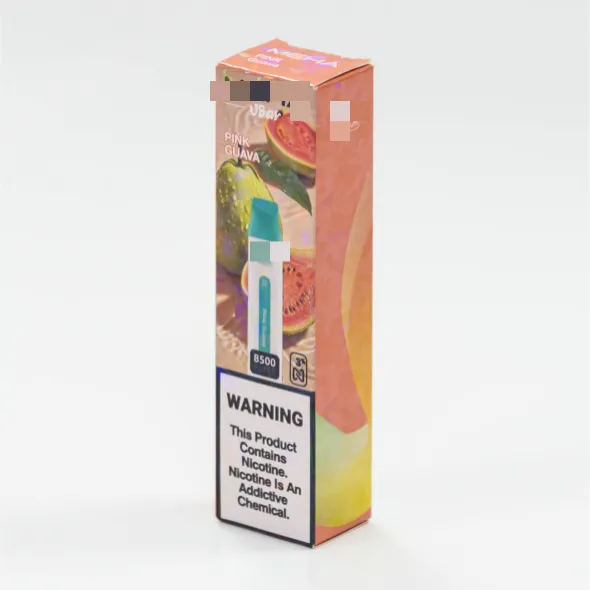
Color cards serve as essential tools in the printing and packaging industry, enabling designers, manufacturers, and clients to make informed decisions about visual appearance before full-scale production begins. These reference standards are critical for ensuring consistency across multiple print runs, batches, and suppliers. Understanding what color cards do and why they matter can significantly improve project outcomes and reduce costly revisions or reprints.
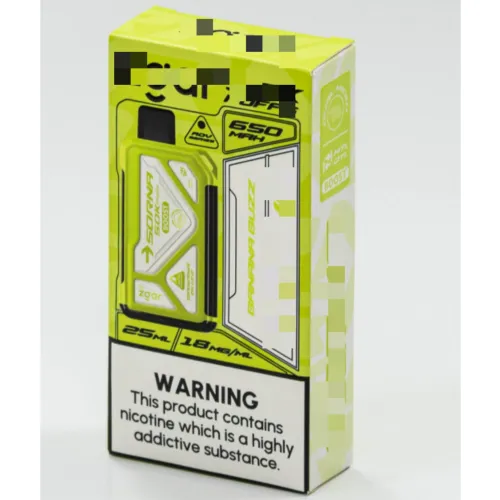
In modern packaging and printing operations, color cards have evolved from simple paint swatches into sophisticated quality assurance instruments. They function as physical proof of approved color specifications, bridging the gap between design intent and finished product reality. Whether used for brand guideline adherence, supplier communication, or client sign-off, color cards play a vital role in maintaining quality standards and managing expectations throughout the production workflow.
The Role of Color Cards in Design Approval and Brand Consistency
Establishing Visual Standards Before Production
Color cards establish a concrete reference point that all stakeholders can examine under the same lighting conditions. When designing packaging or printed materials, designers create digital mockups that may appear differently on various screens, making color cards indispensable for converting abstract specifications into tangible visual standards. These color cards allow designers, brand managers, and clients to evaluate the proposed color palette in physical form, making decisions based on actual material samples rather than monitor displays alone.
By using color cards early in the design phase, teams can identify potential issues such as color shifts under different lighting or concerns about how colors interact with specific substrates. This proactive approach prevents surprises during production and ensures that the final printed or packaged product aligns with brand identity and customer expectations. Color cards essentially serve as the bridge between conceptual design and physical reality.
Maintaining Consistency Across Multiple Production Runs
Printing and packaging projects often involve multiple production runs over months or years. Color cards guarantee that each new batch matches the original approved specification, preventing color drift that can undermine brand recognition. When suppliers or printing partners reference the same color cards, they work from identical standards, reducing the risk of variations that could damage brand consistency or customer satisfaction.
In industries where packaging design remains consistent for extended periods, color cards become official records of approved colors. Suppliers can store and reference these color cards whenever the product needs to be reprinted, manufactured, or restocked. This historical documentation ensures that reorders maintain visual fidelity to the original design, which is particularly important for established brands where color recognition influences customer loyalty and market positioning.
Quality Control and Supplier Communication Through Color Cards
Communicating Expectations to Manufacturing Partners
Clear communication with suppliers and printing partners is essential for successful packaging and printing projects. Color cards eliminate ambiguity by providing a physical sample that manufacturers can reference throughout production. Rather than relying solely on digital specifications or verbal descriptions, color cards give suppliers a concrete standard against which to measure their output, significantly reducing miscommunications and the need for costly corrections.
When color cards are provided alongside digital specifications, manufacturers understand not only the theoretical color target but also how that color should appear in practice. This dual-reference approach accommodates variations in printing technology, ink types, and material surfaces, ensuring that suppliers understand the expected outcome and can adjust their processes accordingly. Color cards thus serve as a universal language in the manufacturing and printing supply chain.
Enabling Efficient Quality Assurance and Approval Processes
During production, quality control teams use color cards to verify that printed or packaged materials meet specifications. By comparing production samples directly against the approved color cards under controlled lighting conditions, inspectors can quickly identify whether output falls within acceptable tolerances. This side-by-side comparison is far more reliable than comparing production samples to digital images or abstract color descriptions.
Color cards also streamline the approval workflow by providing a standardized basis for evaluating quality. Rather than subjective assessments based on individual perception, color cards establish objective criteria that all team members can apply consistently. This approach reduces back-and-forth negotiations, accelerates approval decisions, and ensures that only compliant materials move forward to packaging or distribution, ultimately protecting brand reputation and reducing waste.
Practical Applications of Color Cards Across Industries
Packaging Design and Brand Identity Protection
In consumer goods industries such as cosmetics, beverages, food, and pharmaceuticals, packaging color is a critical element of brand identity and shelf recognition. Color cards enable brand teams to protect their visual identity by establishing fixed color standards that all suppliers must follow. When a brand has been recognized by customers for a specific shade of red, blue, or metallic finish, color cards ensure that future packaging iterations maintain that exact visual appearance, reinforcing brand equity and consumer confidence.
Packaging designers also use color cards during the development phase to test how different color combinations work together and how colors perform on different substrate materials. A color that appears vibrant on glossy cardstock may look muted on matte finishes, and color cards account for these variations. This practical testing through color cards helps designers make informed material and color choices that achieve the desired visual impact in the marketplace.
Print Marketing and Promotional Materials
Marketing teams producing brochures, catalogs, advertisements, and promotional materials depend on color cards to ensure visual consistency across multiple channels and production batches. When a campaign involves printing thousands of brochures across different production facilities or time periods, color cards maintain color consistency throughout the entire initiative. This consistency strengthens campaign recognition and professionalism, making color cards a valuable investment for any substantial print marketing effort.
Additionally, color cards help marketing professionals communicate their creative vision to production partners who may lack the context of the original design concept. By providing physical color references alongside digital files, marketing teams reduce the likelihood of receiving printed materials that don't match their expectations, thereby protecting both project timelines and budgets.
Specialized Applications in Technical and Regulatory Industries
In pharmaceutical packaging, medical device labeling, and regulated industries where color carries functional significance, color cards serve as official quality control documentation. Regulatory standards may specify precise color requirements, and color cards provide evidence that manufacturers are meeting those standards. These cards become part of production records and quality assurance documentation, supporting compliance audits and recall investigations if needed.
Technical industries also use color cards for color-blind testing, ensuring that color-differentiated information remains legible and functional for all users. By examining color cards, accessibility specialists can verify that color combinations provide sufficient contrast and that products don't rely solely on color to convey critical information. This application of color cards extends beyond aesthetics into functional design and regulatory compliance.
FAQ
How do color cards improve communication between designers and manufacturers?
Color cards provide a physical, tangible reference that eliminates the ambiguity of digital displays and verbal descriptions. Manufacturers can compare their production output directly against the approved color cards, ensuring they understand the exact visual target. This shared reference point reduces misunderstandings, rework cycles, and the time spent negotiating color acceptability, making the production process more efficient and reliable. Color cards essentially create a common language between all parties involved in printing and packaging projects.
Can color cards prevent color variations across different production batches?
Yes, color cards are specifically designed to prevent color drift and variations across multiple production batches. By providing a consistent reference standard, color cards help manufacturers maintain color accuracy regardless of when batches are produced or which facilities handle the work. However, color cards work best when paired with proper storage conditions, consistent lighting during inspections, and clear communication about acceptable color tolerances. Regular verification against color cards throughout production ensures that any deviations are caught early and corrected before materials are shipped.
What industries benefit most from using color cards in their projects?
Industries with visible, consumer-facing packaging such as cosmetics, beverages, food, pharmaceuticals, and consumer goods benefit significantly from color cards. Marketing and advertising agencies also rely heavily on color cards to maintain brand consistency across print campaigns. Additionally, technical and regulated industries such as healthcare, electronics, and industrial manufacturing use color cards for quality assurance and compliance documentation. Any organization producing printed or packaged materials where color consistency and accurate specification communication are critical can benefit from implementing color cards into their quality control processes.