

Businesses across every industry are rethinking how they protect and present their products, and the shift toward eco-friendly packaging has become one of the most important movements in modern commerce. Whether you manage a small e-commerce brand or operate a large-scale manufacturing facility, understanding what materials make up eco-friendly packaging helps you make smarter procurement decisions and communicate genuine sustainability values to your customers. The right eco-friendly packaging choice reduces waste, lowers your carbon footprint, and often improves your brand image at the same time.
The term eco-friendly packaging covers a broad range of materials and formats, all designed to minimize environmental harm throughout their
lifecycle. From the raw materials sourced to produce them, to the way they decompose or get recycled after use, eco-friendly packaging solutions are evaluated on multiple environmental criteria. This article explores the most common materials found in eco-friendly packaging today, why each one matters, and how they serve different product and shipping needs across industries.
Kraft Paper and Recycled Cardboard in Eco-Friendly Packaging
Kraft Paper as a Core Material
Kraft paper is one of the most widely recognized materials in eco-friendly packaging, valued for its natural origin, strength, and recyclability. Made from wood pulp processed through the kraft method, this material retains long fiber chains that give it excellent tensile strength. Brands use kraft paper in eco-friendly packaging for wrapping, void fill, mailers, and rigid box construction. Its natural brown tone has also become a visual symbol of sustainable commerce, signaling to buyers that the brand takes its environmental responsibility seriously. Kraft-based eco-friendly packaging is particularly effective for products that require lightweight yet sturdy protection during transit.
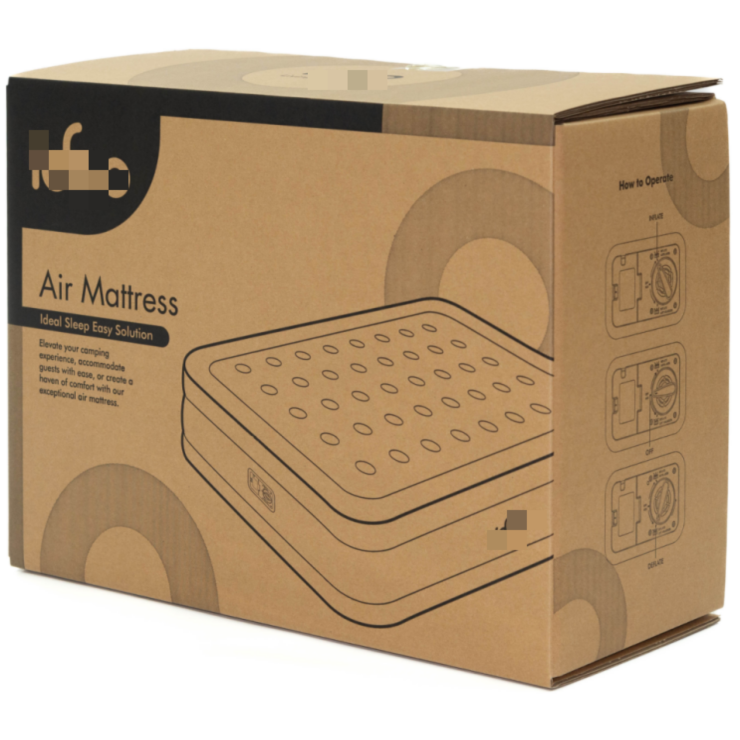
A strong example of kraft paper applied in eco-friendly packaging is the eco-friendly packaging solution designed specifically for large inflatable mattresses, where structural integrity and sustainable material sourcing are both critical priorities. This kind of application demonstrates how eco-friendly packaging can scale to meet the demands of bulky, heavy-duty consumer products without compromising on environmental standards.
Recycled Cardboard and Corrugated Board
Recycled cardboard is another pillar of the eco-friendly packaging industry. Manufacturers create corrugated cardboard and folding cartons from post-consumer or post-industrial recycled fiber, dramatically reducing the need for virgin pulp. Eco-friendly packaging built from recycled cardboard performs well across shipping, retail display, and storage applications. The corrugated structure adds cushioning layers that protect fragile or oversized items, making recycled corrugated board a versatile eco-friendly packaging material. Businesses that prioritize closed-loop supply chains often choose recycled cardboard because it can itself be recycled multiple times before the fiber degrades too far to be useful.
Biodegradable and Compostable Materials in Eco-Friendly Packaging
Plant-Based Bioplastics
Plant-based bioplastics have emerged as an innovative material category within eco-friendly packaging. These materials are derived from renewable resources such as corn starch, sugarcane, or cassava, rather than petroleum-based feedstocks. Eco-friendly packaging made from bioplastics can be engineered to biodegrade under industrial composting conditions, giving it a distinct environmental advantage over traditional plastic. Food brands, cosmetic companies, and consumer goods manufacturers increasingly include bioplastic films, trays, and pouches in their eco-friendly packaging strategy. While bioplastics still require proper disposal infrastructure to fully break down, they represent a meaningful step forward when certified compostable grades are used correctly.
Mushroom and Agricultural Fiber Packaging
Mycelium-based packaging, often called mushroom packaging, is a newer but growing segment of eco-friendly packaging materials. Manufacturers grow mycelium fungal networks around agricultural waste such as hemp stalks or corn husks, forming rigid, custom-shaped protective inserts. This type of eco-friendly packaging composts at home in a matter of weeks, producing no toxic residue. Similarly, packaging made from agricultural fiber byproducts, such as sugarcane bagasse or wheat straw, offers a compostable alternative to polystyrene and other non-degradable foam materials. Eco-friendly packaging solutions built on these materials are particularly popular in the electronics and premium consumer goods segments, where protective inserts are traditionally made from foam.
Recycled and Minimalist Design Approaches in Eco-Friendly Packaging
Post-Consumer Recycled Plastics
While reducing plastic use is a core goal of eco-friendly packaging, post-consumer recycled plastics still play a role when plastic functionality cannot be replaced. Eco-friendly packaging that incorporates PCR plastic diverts waste from landfills and reduces the demand for virgin petroleum plastic. Many brands use PCR content in bottle closures, stretch film, or protective sleeves as part of a broader eco-friendly packaging program. Certifications and recycled content labeling help businesses demonstrate credibility when PCR plastic is used as a component of their eco-friendly packaging. The key is transparency: clearly communicating what percentage of the package is made from recycled content allows buyers and consumers to evaluate the environmental benefit accurately.
Minimalist and Right-Sized Packaging Design
Beyond material selection, eco-friendly packaging is also shaped by design philosophy. Right-sizing means engineering eco-friendly packaging to match the exact dimensions of the product, eliminating unnecessary void space, excess material, and added weight. This approach reduces material consumption at the source, which is the most effective form of eco-friendly packaging improvement available. Brands that embrace minimalist design in their eco-friendly packaging often find that reduced material use also lowers shipping costs, improving overall supply chain efficiency. Eliminating unnecessary inks, coatings, and laminations further enhances the recyclability and compostability of eco-friendly packaging across the full product lifecycle.
FAQ
What makes a packaging material truly eco-friendly?
A material qualifies as part of eco-friendly packaging when it is sourced sustainably, produces lower emissions during production, and can be recycled, composted, or biodegraded after use. Third-party certifications such as FSC, BPI, or similar standards help validate these claims for eco-friendly packaging materials.
Is kraft paper better than recycled cardboard for eco-friendly packaging?
Both are excellent choices within the eco-friendly packaging category. Kraft paper offers superior strength and flexibility for wrapping and lightweight boxes, while recycled cardboard excels in structural applications like shipping cartons. The best eco-friendly packaging material depends on your specific product weight, fragility, and shipping requirements.
Can eco-friendly packaging handle heavy or oversized products?
Yes. Eco-friendly packaging made from heavy-duty kraft board or double-walled corrugated recycled cardboard can handle substantial weight and size requirements. Purpose-engineered eco-friendly packaging, such as custom kraft boxes for large inflatable mattresses, proves that sustainability and structural performance are not mutually exclusive goals.