
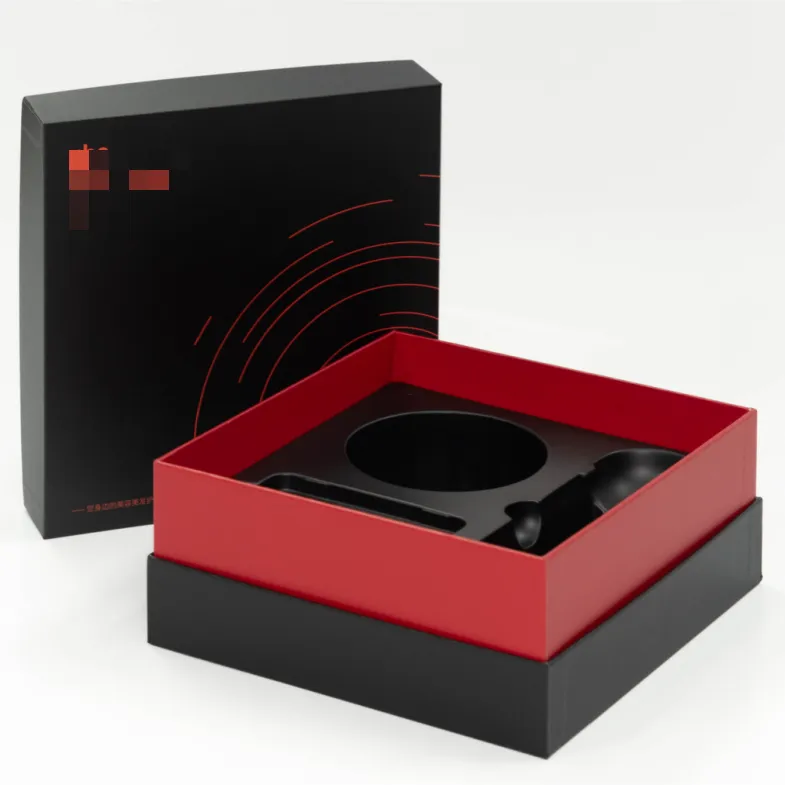
When procurement teams begin sourcing eco-friendly packaging, the decision carries more weight than simply choosing a box or bag made from recycled material. Eco-friendly packaging today intersects material science, supply chain ethics, regulatory compliance, and brand responsibility. Buyers who overlook the complexity of this sourcing decision often end up with products that underperform, fail certification audits, or damage their sustainability credentials rather than enhance them. Understanding what truly defines quality eco-friendly packaging is the first step toward making purchases that deliver real environmental and commercial value.
The market for eco-friendly packaging has expanded rapidly, and with that expansion comes a wide spectrum of quality, certifications, and material compositions. Not every product labeled as eco-friendly packaging meets the same environmental standard. Buyers sourcing at scale need a structured evaluation framework that covers material origin, end-of-life recyclability, structural performance, supplier transparency, and cost-efficiency. This article outlines the key criteria every buyer should apply before committing to a supplier or placing a significant order of eco-friendly packaging.
Material Composition and Environmental Impact
Understanding Base Materials in Eco-Friendly Packaging
The foundation of any credible eco-friendly packaging product lies in its material composition. Buyers should ask whether the packaging is made from recycled content, virgin renewable fiber, or biodegradable polymers. Kraft paper, for example, is widely used in eco-friendly packaging because it is derived from wood pulp using a process that allows for high recyclability and relatively low chemical use. When evaluating eco-friendly packaging, confirm the percentage of post-consumer recycled content and whether the virgin fiber components come from responsibly managed forests certified under recognized standards such as FSC or PEFC.
Buyers should also evaluate whether the eco-friendly packaging includes coatings, inks, or adhesives that compromise recyclability. A box made from kraft paper but laminated with a non-recyclable plastic coating is not truly recyclable at end of life. Checking the full material stack, not just the outer substrate, is essential when assessing eco-friendly packaging for large or industrial applications such as packaging for inflatable mattresses, furniture, or bulk goods that require structural rigidity alongside sustainability performance.
End-of-Life Recyclability and Biodegradability
Eco-friendly packaging must be evaluated not just at the point of production but at the end of its use cycle. Buyers should determine whether the eco-friendly packaging is accepted by standard municipal recycling streams or whether it requires industrial composting facilities. Products labeled as compostable but requiring industrial composting may not deliver the environmental benefit buyers expect if their customers lack access to those facilities. Clear, evidence-backed end-of-life data should accompany any eco-friendly packaging product presented to procurement teams.
Structural Performance and Application Suitability
Matching Eco-Friendly Packaging Strength to Product Requirements
Environmental credentials mean little if the eco-friendly packaging fails to protect its contents. Buyers must assess whether the chosen eco-friendly packaging delivers adequate compression strength, moisture resistance, and puncture resistance for the specific products being shipped. For heavy or bulky items such as inflatable mattresses, the eco-friendly packaging must maintain structural integrity across warehousing, transit, and last-mile delivery. Buyers should request burst strength and edge crush test data from suppliers to verify that the eco-friendly packaging meets industry performance benchmarks without relying on synthetic reinforcements that would compromise its sustainability profile.
Custom sizing is another critical evaluation point. Oversized eco-friendly packaging increases dimensional weight charges and wastes material, while undersized packaging risks product damage. Well-designed eco-friendly packaging should be optimized for the exact product dimensions, minimizing void fill requirements and maximizing carton efficiency. When sourcing eco-friendly packaging for specialized products, buyers benefit from working with suppliers who offer technical support for structural design and prototyping before full production runs.

Print and Branding Compatibility
Brand presentation on eco-friendly packaging is increasingly important in B2B and D2C channels. Buyers should confirm that the eco-friendly packaging surface accepts water-based or soy-based inks without bleeding or color distortion, since solvent-based inks can undermine the recyclability of the package. High-quality print adhesion on kraft-based eco-friendly packaging supports professional brand presentation while maintaining the sustainability promise. Testing print runs before committing to volume orders ensures that the eco-friendly packaging delivers consistent results across production batches.
Supplier Evaluation and Certification Verification
Certifications That Validate Eco-Friendly Packaging Claims
Third-party certifications are the most reliable way to verify that eco-friendly packaging meets the environmental claims stated by a supplier. Buyers should look for certificates such as FSC chain-of-custody, ISO 14001 environmental management, and recyclability endorsements from recognized organizations. When a supplier of eco-friendly packaging cannot produce verifiable certification documents, buyers should treat those sustainability claims with caution. Requesting audit reports and certification renewal dates as part of the supplier qualification process helps prevent greenwashing risks in the supply chain.
Beyond formal certifications, buyers evaluating eco-friendly packaging should request carbon footprint data, water consumption metrics per unit, and chemical compliance documentation. Suppliers of credible eco-friendly packaging should be able to provide these materials upon request. The more transparent a supplier is about the environmental profile of their eco-friendly packaging, the more trustworthy their sustainability positioning tends to be in practice.
Supplier Reliability, Lead Times, and Scalability
Sourcing eco-friendly packaging is not only an environmental decision but also an operational one. Buyers must assess whether a supplier of eco-friendly packaging can meet consistent quality standards across large-volume orders and maintain reliable lead times. Inconsistent quality in eco-friendly packaging can lead to product damage claims, customer dissatisfaction, and increased waste. Evaluating production capacity, quality control protocols, and historical delivery performance are standard steps when qualifying a supplier of eco-friendly packaging for recurring procurement programs. A well-structured supplier relationship ensures that the transition to eco-friendly packaging remains smooth and commercially sustainable over time.
FAQ
What certifications should I look for when sourcing eco-friendly packaging?
Key certifications for eco-friendly packaging include FSC chain-of-custody for responsibly sourced fiber, ISO 14001 for environmental management systems, and compostability standards such as EN 13432 or ASTM D6400. Buyers should always request current certificate documents rather than relying solely on supplier claims.
How do I confirm that eco-friendly packaging is genuinely recyclable?
To confirm recyclability, review the full material stack of the eco-friendly packaging including coatings, inks, adhesives, and closures. Verify whether the finished eco-friendly packaging is accepted by standard municipal recycling programs in your target market. Requesting third-party recyclability test reports from your supplier provides the most reliable confirmation.
Can eco-friendly packaging provide the same structural strength as conventional packaging?
Yes, well-engineered eco-friendly packaging can match or exceed the structural performance of conventional alternatives when the design accounts for the specific product load, transit conditions, and stacking requirements. Requesting burst strength, edge crush test, and drop test data from your supplier of eco-friendly packaging ensures that performance meets your operational needs without compromising environmental goals.