

Sourcing the right kraft box factory is a critical decision that directly impacts product protection, brand perception, and supply chain reliability. As businesses increasingly prioritize sustainable packaging solutions, kraft boxes have become a preferred choice across industries ranging from e-commerce to industrial equipment. However, not all kraft box factories operate with the same standards of quality, consistency, or compliance. Understanding which quality standards truly matter enables procurement professionals to mitigate risks, ensure regulatory compliance, and establish partnerships with manufacturers capable of delivering reliable packaging solutions that meet both functional and brand requirements.
When evaluating a kraft box factory, buyers must look beyond price and lead times to assess the comprehensive quality framework that governs production processes. Quality standards encompass material specifications, manufacturing consistency, structural integrity testing, environmental certifications, and quality management systems. These standards serve as measurable indicators of a factory's capability to deliver packaging that performs reliably under real-world conditions while meeting sustainability commitments and regulatory obligations. This article explores the essential quality standards that procurement teams should prioritize when selecting a kraft box factory partner, providing actionable criteria to guide due diligence and supplier qualification processes.
Material Quality Specifications and Raw Material Standards
Fiber Content and Virgin Versus Recycled Kraft Paper
The foundation of any quality kraft box lies in the raw material specifications used during production. A reputable kraft box factory must demonstrate transparent sourcing practices for kraft paper, specifying the percentage of virgin fiber versus recycled content. Virgin kraft paper typically offers superior strength and tear resistance, making it suitable for heavy-duty applications, while recycled kraft paper provides environmental benefits but may require reinforcement for demanding packaging scenarios. Quality factories maintain detailed material specifications that document fiber composition, ensuring consistency across production batches and enabling buyers to match material properties to their specific protection requirements.
Material traceability represents another critical aspect of raw material standards. Leading kraft box factory operations implement chain-of-custody documentation that tracks paper sources from forest or recycling facility through manufacturing. This traceability proves essential for sustainability reporting and compliance with regional environmental regulations. Factories should provide certificates confirming that kraft paper originates from responsibly managed forests, such as those certified by the Forest Stewardship Council or similar recognized bodies, demonstrating commitment to sustainable forestry practices beyond mere marketing claims.
Grammage Consistency and Caliper Measurements
Grammage, measured in grams per square meter, directly influences the structural performance and protective capacity of kraft boxes. A quality-focused kraft box factory establishes tight tolerances for grammage variation, typically maintaining consistency within plus or minus five percent of specified values. This consistency ensures predictable performance characteristics across production runs, preventing scenarios where some boxes fail under normal handling conditions while others exceed necessary strength specifications. Factories should provide test documentation demonstrating grammage measurements taken at regular intervals during production, with statistical process control charts showing variation trends over time.
Caliper measurements, representing material thickness, complement grammage specifications by providing additional insight into material density and compression resistance. The relationship between grammage and caliper reveals material density characteristics that affect cushioning properties and structural rigidity. Professional kraft box factory operations employ precision measuring instruments calibrated to international standards, conducting measurements at multiple points across paper rolls to identify localized variations that could compromise box performance. Procurement teams should request caliper uniformity data as part of material qualification documentation.
Moisture Content Control and Storage Conditions
Moisture content significantly affects both the immediate workability of kraft paper during manufacturing and the long-term performance of finished boxes. Excessive moisture causes dimensional instability, reduced compression strength, and potential mold growth during storage or transit. A conscientious kraft box factory implements environmental controls in raw material storage areas, maintaining relative humidity within optimal ranges typically between forty and sixty percent. Regular moisture content testing using calibrated moisture meters ensures materials remain within specified parameters before entering production processes.
Storage conditions extend beyond humidity control to include proper material handling practices that prevent contamination, physical damage, and ultraviolet degradation. Quality factories store kraft paper in climate-controlled facilities elevated above floor level, wrapped in protective coverings that allow controlled air circulation while preventing moisture absorption from concrete floors. First-in-first-out inventory rotation prevents extended storage periods that could degrade material properties. These storage protocols should be documented in facility procedures and verified during factory audits.
Manufacturing Process Quality and Production Consistency
Die-Cutting Precision and Dimensional Accuracy
Die-cutting precision fundamentally determines whether kraft boxes assemble correctly, fit products securely, and present a professional appearance. A qualified kraft box factory maintains die-cutting equipment with tolerances typically within one millimeter for critical dimensions, ensuring consistent fold lines, flap lengths, and closure alignments. Regular die maintenance schedules prevent gradual wear that causes dimensional drift over extended production runs. Factories should demonstrate calibration records for die-cutting equipment and provide first-article inspection reports showing dimensional measurements compared against approved specifications.
Dimensional accuracy verification extends throughout production with in-process inspections conducted at statistically determined intervals. Quality systems at professional kraft box factory facilities incorporate measurement protocols that sample boxes from active production runs, checking critical dimensions against tolerance specifications. When measurements approach tolerance limits, production adjustments occur before nonconforming products are manufactured. Documentation of these in-process checks provides evidence of process control capability and demonstrates the factory's commitment to delivering dimensionally consistent packaging.
Scoring and Creasing Quality for Assembly Performance
Scoring and creasing operations create controlled fold lines that enable kraft boxes to be assembled into three-dimensional structures. Poor scoring causes assembly difficulties, inconsistent box shapes, and structural weaknesses at fold points. A quality-oriented kraft box factory calibrates scoring equipment to achieve optimal crease depth that facilitates clean folding without compromising material strength. Crease depth typically ranges between thirty and fifty percent of material thickness, with precise control required to accommodate different grammage specifications and fiber compositions.
Visual and functional inspection of scoring quality should occur throughout production. Inspectors at reputable factories examine score lines for uniformity, checking that creases form straight lines without cracking or fiber separation. Functional testing involves manually folding sample boxes to verify that scored areas fold smoothly with appropriate resistance, creating square corners and aligned panels. Factories should document scoring quality through both visual inspection records and functional assembly tests performed on production samples.
Printing Registration and Color Consistency
When kraft boxes include printed graphics or branding elements, registration accuracy and color consistency become critical quality parameters. Multi-color printing requires precise registration where different color plates align within tolerances typically less than half a millimeter. A professional kraft box factory operates printing equipment with registration control systems and conducts regular calibration to maintain alignment accuracy. Print registration affects brand presentation quality and demonstrates the factory's technical capability to execute complex designs reliably.
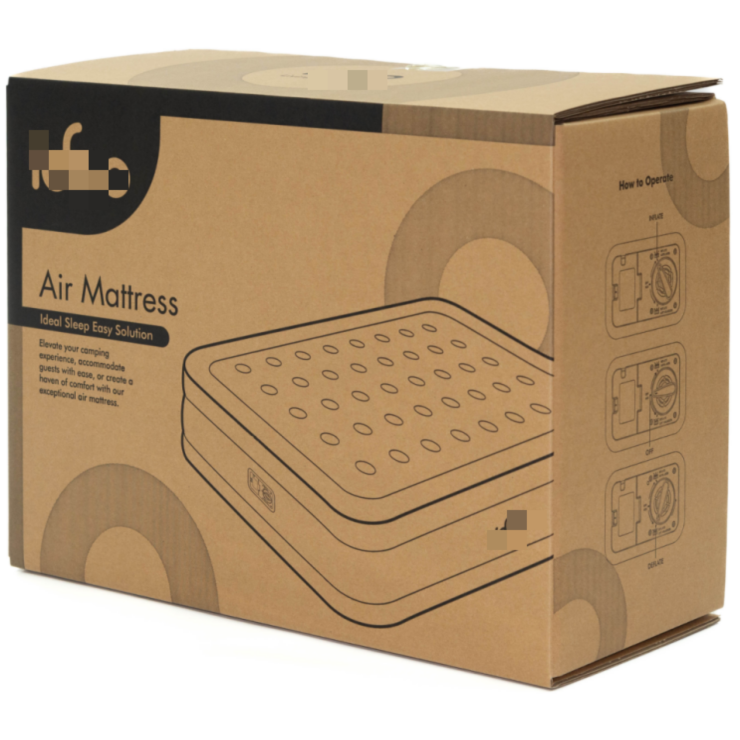
Color consistency across production batches presents particular challenges with kraft paper substrates due to natural color variation in the base material. Quality factories implement color management systems using spectrophotometric measurement to quantify color values objectively. These systems establish color standards referenced throughout production, with regular measurements ensuring printed colors remain within acceptable Delta E tolerances. For buyers requiring specific brand color matching, the kraft box factory should demonstrate color management capabilities through calibrated measurement equipment and documented color control procedures.
Structural Integrity Testing and Performance Validation
Compression Strength and Stacking Performance
Compression strength determines how well kraft boxes withstand stacking loads during warehousing and transportation. Box compression testing provides quantitative data on load-bearing capacity, typically expressed in pounds or kilograms of force sustained before structural failure. A quality-conscious kraft box factory conducts compression testing using standardized equipment that applies uniform top-load pressure while measuring deformation and failure points. Test results should align with predicted values based on material specifications and box dimensions, confirming that manufacturing processes preserve calculated strength characteristics.
Edge crush test values provide complementary data about material strength in the vertical orientation that directly correlates with compression performance. Professional kraft box factory operations specify minimum edge crush test values for kraft paper used in production and verify these values through periodic testing. The relationship between edge crush test results and actual box compression strength follows established formulas that account for box dimensions, perimeter, and safety factors. Factories should provide documentation showing both material-level edge crush data and finished box compression test results demonstrating consistency between predicted and actual performance.
Burst Strength and Impact Resistance
Burst strength measures the material's resistance to rupture under pressure, simulating impact conditions and rough handling scenarios encountered during shipping. The Mullen burst test applies hydraulic pressure to kraft paper until rupture occurs, quantifying material toughness. Quality kraft box factory specifications include minimum burst strength requirements appropriate for intended applications, with higher values specified for packaging subject to rough handling or containing products with sharp corners that might puncture walls from inside.
Drop testing provides functional validation of impact resistance by simulating real-world shipping hazards. Factories should conduct drop tests from heights corresponding to typical handling scenarios, examining boxes for structural failures, corner separations, or protective capacity compromise. Professional testing protocols specify multiple drop orientations including flat, edge, and corner impacts to comprehensively evaluate structural integrity. Documentation should include photographic evidence and written descriptions of any damage observed, along with pass-fail determinations based on predetermined acceptance criteria.
Environmental Conditioning and Humidity Resistance
Kraft boxes often encounter varying environmental conditions during their service life, from warehouse humidity to temperature fluctuations during transit. Environmental conditioning tests expose boxes to controlled humidity and temperature cycles, then measure dimensional stability and strength retention. A thorough kraft box factory quality program includes conditioning protocols that simulate expected environmental exposure, particularly for boxes destined for regions with challenging climates or extended storage periods before use.
Moisture resistance becomes especially critical for kraft boxes used in food packaging or applications requiring specific hygiene standards. While kraft paper naturally absorbs moisture, appropriate treatments and coatings can enhance water resistance without compromising recyclability. Factories should specify any moisture-resistant treatments applied and provide test data demonstrating performance under simulated high-humidity conditions. Water absorption tests quantify how much moisture kraft material absorbs over specified time periods, helping buyers assess suitability for humid environments.
Quality Management Systems and Certification Standards
ISO 9001 Quality Management Implementation
ISO 9001 certification indicates that a kraft box factory has implemented a systematic approach to quality management encompassing documented procedures, process controls, corrective actions, and continuous improvement methodologies. This internationally recognized standard provides confidence that the factory operates with consistent quality processes rather than relying on inspection alone to catch defects. Buyers should verify current ISO 9001 certification and request copies of recent surveillance audit reports that demonstrate ongoing compliance and identify any nonconformities addressed during audits.
The practical value of ISO 9001 certification extends beyond the certificate itself to the operational disciplines it instills. Certified kraft box factory operations maintain document control systems ensuring workers access current specifications and procedures. Management review processes systematically evaluate quality metrics and customer feedback, driving improvement initiatives. Internal audit programs provide independent assessment of compliance with documented procedures. These system elements create organizational discipline that supports consistent quality delivery across changing personnel and production conditions.
Environmental Management and Sustainability Certifications
Environmental certifications such as ISO 14001 demonstrate that a kraft box factory manages environmental impacts systematically, including waste reduction, energy efficiency, and emissions control. For buyers with corporate sustainability commitments, supplier environmental performance increasingly influences sourcing decisions. Certified factories implement environmental management systems that set measurable objectives, monitor performance indicators, and drive continuous environmental improvement through structured programs rather than reactive responses to regulations.
Forest certification schemes including FSC Chain of Custody or PEFC certification provide verification that kraft paper originates from responsibly managed forests. These certifications require rigorous documentation tracking materials from certified forests through manufacturing to finished products. A kraft box factory with valid forest certification can provide labeled boxes that support customer sustainability claims with credible third-party verification. Procurement teams should request current certification documents and inquire about the percentage of certified fiber available, as some factories maintain both certified and non-certified material streams.
Industry-Specific Quality Standards and Customer Requirements
Certain industries impose additional quality standards beyond general manufacturing certifications. Food-grade packaging requires kraft box factory compliance with food safety regulations such as FDA requirements in the United States or EU food contact materials regulations in Europe. These standards address material safety, migration testing, and contamination prevention. Factories serving food industry clients should demonstrate knowledge of applicable regulations and provide documentation confirming that materials and processes meet food-contact requirements.
Pharmaceutical and medical device packaging involves even more stringent requirements, potentially including cleanroom manufacturing environments and extensive documentation for regulatory submissions. While kraft boxes less commonly serve these applications compared to other packaging formats, specialized kraft box factory operations do support industries with heightened quality requirements. Buyers should clearly communicate industry-specific standards applicable to their products and verify factory capability through facility tours, documentation review, and reference checks with customers in similar industries.
Supplier Qualification Process and Ongoing Quality Assurance
Pre-Qualification Documentation and Factory Audits
Comprehensive supplier qualification begins with documentation review before committing to a kraft box factory relationship. Buyers should request quality manuals, process flow diagrams, equipment lists, testing capabilities, and quality metrics from recent production periods. This documentation provides initial insight into quality system maturity and technical capabilities. References from current customers in similar applications offer practical perspective on delivery performance, responsiveness to quality issues, and collaborative problem-solving approaches.
On-site factory audits provide irreplaceable direct observation of actual operating conditions, quality culture, and process controls. Professional procurement teams conduct structured audits using checklists covering material storage, equipment maintenance, process controls, testing capabilities, nonconforming material handling, and workplace organization. The audit should include interviews with quality personnel to assess knowledge depth and observe actual production to verify that documented procedures are followed in practice. A kraft box factory confident in its quality systems welcomes audits and openly addresses any concerns identified during facility evaluations.
Sample Approval and Production Trial Requirements
Sample production provides tangible evidence of a kraft box factory's capability to meet specific requirements before committing to volume orders. Detailed sample specifications should include all critical dimensions, tolerances, material specifications, printing requirements, and performance criteria. The factory should produce samples using production tooling and processes rather than prototype methods that may not represent actual manufacturing conditions. Buyers should conduct thorough evaluation of samples, including dimensional verification, visual inspection, and functional testing with actual products when possible.
Production trials with smaller quantities bridge the gap between sample approval and full production commitments. Trial runs reveal how well the kraft box factory maintains quality consistency across larger batch quantities and how effectively process controls prevent drift from approved specifications. Trials also test the factory's communication protocols, documentation practices, and responsiveness to feedback during production. Successful trial completion with thorough quality documentation builds confidence before scaling to regular production volumes.
Ongoing Quality Monitoring and Performance Metrics
Establishing clear quality metrics and monitoring systems maintains standards after initial qualification. Key performance indicators for kraft box factory relationships typically include defect rates, on-time delivery percentages, dimensional conformance rates, and response times to quality issues. Regular business reviews should examine these metrics, discuss trends, and collaboratively develop improvement plans when performance gaps appear. Transparency in quality data sharing builds trust and enables proactive problem-solving before issues escalate to customer impacts.
Periodic re-audits and recertification reviews ensure that quality standards remain consistent over time. Manufacturing operations evolve through equipment changes, personnel turnover, and process modifications. Scheduled reassessments verify that quality systems adapt appropriately to these changes while maintaining or improving performance levels. The frequency of re-evaluation should reflect the criticality of the packaging application, complexity of requirements, and historical performance stability. High-performing kraft box factory partners view these reviews as collaborative opportunities rather than burdensome inspections.
FAQ
What is the most critical certification to verify when selecting a kraft box factory?
ISO 9001 certification represents the most fundamental quality management system standard to verify, as it demonstrates systematic process controls, documentation practices, and continuous improvement commitment. However, the most critical certification depends on your specific application. For food packaging, food safety certifications take priority, while forest certifications like FSC become essential for sustainability-focused procurement. The most effective approach combines ISO 9001 as a baseline with industry-specific certifications relevant to your product category and corporate requirements.
How can I verify that a kraft box factory actually follows the quality standards they claim?
Verification requires multiple validation methods rather than relying solely on certificates. Conduct on-site audits observing actual production processes and reviewing quality records from recent production runs. Request test data from multiple production batches showing consistency in measurements like compression strength, dimensional accuracy, and material specifications. Contact current customers serving similar applications to gather performance feedback. Review third-party audit reports from certification bodies rather than just viewing certificates. This multi-faceted approach reveals whether documented standards translate into consistent operational practice.
Should I prioritize the lowest-cost kraft box factory if they meet basic quality specifications?
Lowest initial cost rarely translates to best total cost of ownership in packaging procurement. Quality issues create hidden costs including product damage, customer complaints, rush replacement orders, and brand reputation impacts that typically far exceed savings from lower unit prices. Factories offering significantly lower prices than competitors often achieve these costs through reduced quality controls, inferior materials, or unsustainable labor practices that create supply chain risks. Prioritize suppliers demonstrating robust quality systems, transparent operations, and consistent performance history, then negotiate fair pricing within that qualified supplier pool rather than selecting purely on lowest bid.
How often should I conduct quality audits of an established kraft box factory supplier?
Audit frequency should reflect the criticality of your application, complexity of specifications, and historical performance consistency. For critical packaging applications, annual audits provide reasonable oversight even with established suppliers. Less critical applications with suppliers demonstrating consistently strong performance may extend to biennial audits. However, any significant changes such as facility relocations, major equipment upgrades, or quality performance degradation should trigger immediate re-evaluation regardless of the regular schedule. Maintain continuous quality monitoring through incoming inspection and performance metrics between formal audits to detect emerging issues early.
Table of Contents
- Material Quality Specifications and Raw Material Standards
- Manufacturing Process Quality and Production Consistency
- Structural Integrity Testing and Performance Validation
- Quality Management Systems and Certification Standards
- Supplier Qualification Process and Ongoing Quality Assurance
-
FAQ
- What is the most critical certification to verify when selecting a kraft box factory?
- How can I verify that a kraft box factory actually follows the quality standards they claim?
- Should I prioritize the lowest-cost kraft box factory if they meet basic quality specifications?
- How often should I conduct quality audits of an established kraft box factory supplier?