
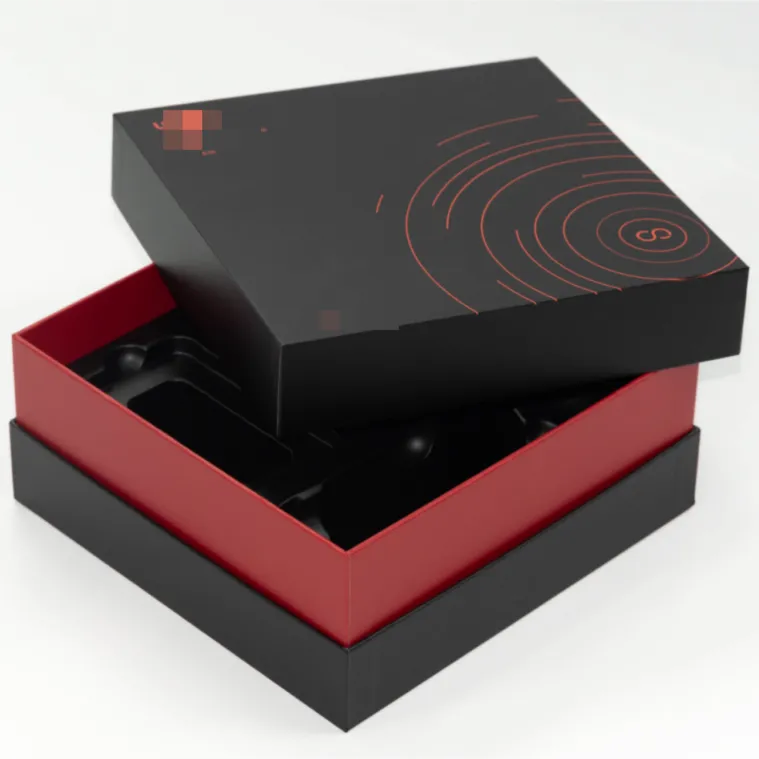
Transportation challenges pose significant risks to product integrity across manufacturing, retail, and e-commerce sectors. During shipping and handling, packages endure compression forces, vibration, impact shocks, and environmental exposure that can damage contents without adequate protective packaging. Among various packaging solutions, lid and bottom boxes have emerged as a superior structural design that addresses these transportation vulnerabilities through their unique two-piece construction and enhanced protective characteristics. Understanding how lid and bottom boxes improve protection during transportation enables businesses to make informed decisions about packaging investments that reduce damage rates, minimize returns, and maintain brand reputation throughout the supply chain journey.
The protective advantages of lid and bottom boxes stem from fundamental engineering principles applied to packaging design. Unlike single-piece folding cartons that rely on glued flaps and tabs for structural integrity, lid and bottom boxes utilize a separate lid that telescopes over a base tray, creating overlapping walls that multiply the protective barriers surrounding packaged goods. This architectural approach distributes impact forces across multiple material layers, absorbs shock through cushioning air gaps, and maintains structural rigidity even when subjected to stacking pressure during warehouse storage and freight transportation. The mechanical properties inherent in this two-piece design directly translate to measurable improvements in product survival rates during the transportation cycle.
Structural Engineering Principles Behind Enhanced Transportation Protection
Double-Wall Construction and Impact Distribution Mechanics
The protective superiority of lid and bottom boxes begins with their double-wall construction where the lid overlaps the base. When external impact forces strike the package during handling or transit accidents, this overlapping zone creates a dual-layer barrier that distributes energy across a wider surface area compared to single-wall packaging. The physics of impact absorption demonstrates that force concentration decreases proportionally as the absorption area increases, meaning the overlapping walls of lid and bottom boxes reduce peak stress points that typically cause package failure in conventional folding cartons.
Material science further explains this protective advantage through the concept of progressive energy absorption. As the outer lid layer deforms under impact, it absorbs initial energy before transferring remaining forces to the inner base walls. This sequential absorption process extends the duration of impact events, reducing peak acceleration experienced by package contents. Engineering studies show that packaging systems with multiple protective layers can reduce transmitted shock forces by thirty to fifty percent compared to single-layer alternatives, directly contributing to lower product damage rates during transportation.
The rigid framework created by lid and bottom boxes also maintains dimensional stability under compression loads. When packages stack during palletized shipping, the separate lid structure prevents vertical collapse by creating a load-bearing framework independent of the base. This architectural separation ensures that compression forces travel through the lid walls to the base rim rather than directly crushing package contents, a critical advantage for protecting fragile items during multi-level stacking in freight containers and warehouse facilities.
Material Thickness Optimization and Protective Capacity
Lid and bottom boxes typically utilize heavier board grades than standard folding cartons due to their structural design requirements. The separate lid and base components each require sufficient rigidity to maintain form without supporting tabs or interlocking flaps, necessitating thicker paperboard or corrugated materials. This increased material thickness directly correlates with improved crush resistance, puncture protection, and overall durability during the transportation cycle. Package engineers can specify board weights ranging from high-density chipboard to heavy-duty corrugated stock depending on product weight and fragility requirements.
The material selection flexibility inherent in lid and bottom boxes enables precise matching of protective capacity to transportation hazard profiles. For electronic components requiring electrostatic discharge protection, manufacturers can incorporate conductive materials into the box structure. For moisture-sensitive products, barrier-coated boards provide humidity resistance during cross-climate shipping. This customization capability allows lid and bottom boxes to address specific transportation vulnerabilities that generic packaging cannot adequately protect against, resulting in targeted risk mitigation throughout distribution networks.
Material efficiency considerations also favor lid and bottom boxes for transportation protection. Because the structural strength resides in the box architecture rather than adhesive bonds or friction-fit closures, these packages maintain protective integrity even when subjected to temperature fluctuations that might weaken glues or humidity changes that could soften paperboard. The mechanical interlocking of lid over base creates a closure system independent of environmental conditions, ensuring consistent protection regardless of seasonal variations or geographic shipping destinations encountered during transportation.
Cushioning Performance and Vibration Damping During Transit
Air Gap Dynamics and Shock Absorption Mechanisms
The spatial relationship between the lid and base of lid and bottom boxes creates an inherent air cushion that functions as a shock absorber during transportation. When the lid telescopes over the base with a designed clearance gap, this enclosed air volume compresses under impact, dissipating kinetic energy before it reaches package contents. Fluid dynamics principles demonstrate that confined air behaves as a pneumatic spring, with compression characteristics determined by gap dimensions and lid-to-base overlap depth. Package designers can optimize these dimensional parameters to tune cushioning performance for specific product weights and fragility levels.
Vibration attenuation represents another critical protective function of lid and bottom boxes during transportation. Road transport subjects packages to continuous low-frequency vibrations that can cause product shifting, component loosening, or fatigue damage in sensitive items. The multi-layer construction of lid and bottom boxes introduces friction interfaces between lid and base walls that dampen vibrational energy transfer. Material science research indicates that layered structures with slight relative movement between components exhibit superior vibration damping compared to monolithic structures, explaining why lid and bottom boxes outperform single-piece packaging in protecting against transit vibration damage.
The cushioning effectiveness of lid and bottom boxes extends to protection against angular drops and edge impacts that commonly occur during manual handling. When packages drop at angles, conventional folding cartons concentrate impact forces at corner points where structural weakness typically exists. The overlapping walls of lid and bottom boxes distribute these angled impacts across broader surface areas, reducing corner stress concentrations and preventing the localized failures that lead to content damage. This omnidirectional protective capability makes lid and bottom boxes particularly valuable for products that experience frequent handling transfers during multi-modal transportation involving trucks, conveyors, and sorting equipment.
Internal Product Stabilization and Movement Prevention
Product movement within packaging represents a primary cause of transportation damage, as shifting items can impact package walls or collide with each other during transit accelerations and decelerations. Lid and bottom boxes address this vulnerability through their rigid enclosure that maintains precise internal dimensions. Unlike flexible packaging or loosely fitted folding cartons, the structural stability of lid and bottom boxes preserves exact spacing between contents and package walls, minimizing the distance products can travel during sudden movements. This dimensional control becomes especially critical when transporting multiple items within a single package or protecting products with protruding components vulnerable to impact damage.
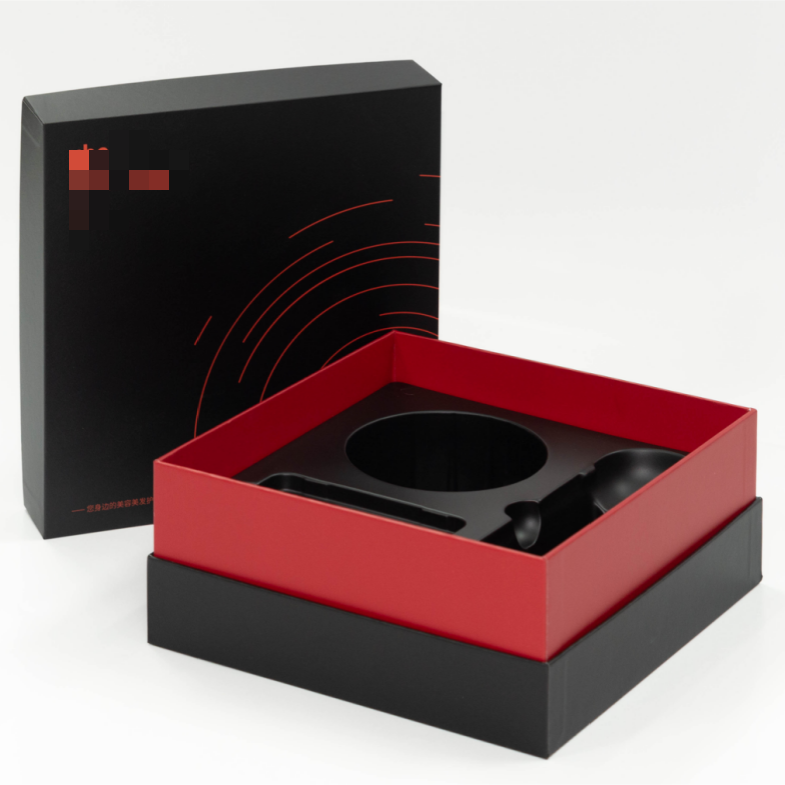
The tight-fitting nature of properly designed lid and bottom boxes creates friction forces between package contents and interior walls that resist product shifting. When the lid seats firmly over the base, it applies gentle but consistent pressure that holds contents in position without requiring additional internal packaging materials. This friction-based stabilization mechanism operates continuously throughout transportation, automatically adjusting to vibrations and minor impacts that might gradually displace products in less constrained packaging systems. The result is maintained product orientation and positioning from origin to destination, reducing arrival damage rates and improving customer satisfaction with delivered condition.
Integration capabilities with internal cushioning materials further enhance the protective performance of lid and bottom boxes during transportation. The rigid framework provided by these boxes serves as an ideal foundation for foam inserts, molded pulp cushions, or corrugated dividers that create customized protective cavities. The structural walls of lid and bottom boxes prevent cushioning materials from shifting or compressing unevenly, maintaining intended cushioning geometry throughout the distribution cycle. This synergy between rigid external structure and engineered internal cushioning creates comprehensive protection systems that address multiple transportation hazard categories simultaneously, from impact and vibration to compression and environmental exposure.
Closure Security and Seal Integrity Throughout Distribution Networks
Mechanical Interlocking and Tamper Evidence Characteristics
The closure mechanism of lid and bottom boxes provides inherently secure sealing that resists accidental opening during transportation handling. The gravitational friction created when the lid telescopes over the base generates closure force proportional to overlap depth and material surface characteristics. Unlike adhesive closures that can fail due to temperature extremes or humidity exposure, the mechanical interlocking of lid and bottom boxes maintains integrity across diverse environmental conditions encountered during global shipping. This reliability ensures that package contents remain enclosed and protected regardless of seasonal variations, climate zone transitions, or storage facility conditions experienced throughout distribution networks.
Tamper evidence represents an important security consideration for many products during transportation, particularly pharmaceuticals, electronics, and luxury goods vulnerable to theft or counterfeiting. Lid and bottom boxes accommodate various tamper-evident sealing solutions including security labels, shrink bands, or adhesive strips that provide visible indication of unauthorized access attempts. The clean exterior surfaces and precise edges of lid and bottom boxes create ideal substrate conditions for these security features to adhere properly and function reliably. The combination of mechanical closure strength and applied security seals creates multi-layered protection against both accidental opening and intentional tampering during transportation and warehousing.
Reusability considerations also favor lid and bottom boxes for certain transportation applications requiring returnable packaging systems. The durable construction and non-destructive opening mechanism allow these boxes to withstand multiple shipping cycles when manufactured from appropriate materials. Industrial supply chains increasingly adopt returnable packaging programs to reduce waste and transportation costs, and lid and bottom boxes serve effectively in these systems due to their structural longevity and maintained protective performance across repeated uses. This sustainability advantage aligns with corporate environmental goals while delivering economic benefits through reduced packaging procurement costs over extended operational periods.
Environmental Barrier Performance and Content Preservation
Protection against environmental contamination during transportation extends beyond physical impact resistance to include barriers against dust, moisture, and atmospheric contaminants. The overlapping walls of lid and bottom boxes create a labyrinth seal that significantly restricts airborne particle ingress compared to folding cartons with linear seam gaps. This tortuous path design principle, borrowed from industrial sealing engineering, forces contaminants to navigate multiple directional changes that promote particle deposition on package surfaces rather than penetration to contents. The environmental isolation provided by lid and bottom boxes proves especially valuable when shipping sensitive products through dusty warehouse environments or outdoor loading facilities where airborne contamination risks are elevated.
Moisture barrier capabilities of lid and bottom boxes can be enhanced through material selection and coating technologies that complement the structural design. While the overlapping construction provides baseline humidity resistance by limiting direct moisture pathways, application of barrier coatings or laminates to board substrates creates comprehensive moisture protection systems. Transportation through varied humidity zones, exposure to precipitation during loading operations, or condensation formation during temperature transitions all pose moisture-related damage risks that properly engineered lid and bottom boxes can effectively mitigate. This environmental protection becomes critical when shipping moisture-sensitive products including electronics, pharmaceuticals, or hygroscopic materials that degrade when exposed to elevated humidity levels.
The structural rigidity of lid and bottom boxes also contributes to protection against compression-induced ventilation that can introduce contaminants or moisture. When flexible packaging or weak folding cartons compress under stacking loads, they often exhibit bellows-like breathing that draws external air into the package interior. The rigid walls and stable dimensions of lid and bottom boxes resist this compression deformation, maintaining consistent internal atmospheric conditions throughout transportation. This stability proves particularly important for products requiring controlled atmospheres or those sensitive to oxidation, as the minimized air exchange preserves internal conditions from origin facility to destination unpacking.
Stacking Strength and Warehouse Handling Advantages
Load-Bearing Architecture and Vertical Compression Resistance
Warehouse storage and palletized transportation subject packages to sustained vertical compression forces as units stack multiple levels high to maximize space utilization. The structural design of lid and bottom boxes provides exceptional stacking strength through their column-like wall construction and load-distributing lid structure. When packages stack vertically, compression forces travel through the rigid lid walls directly to the base rim, bypassing package contents entirely. This load-path design prevents the crushing failures common in folding cartons where compression forces can deform walls inward onto contents, causing damage even without package collapse.
Engineering analysis of stacking performance demonstrates that lid and bottom boxes can withstand significantly higher vertical loads than equivalent-material folding cartons due to their geometric advantages. The overlapping lid-to-base connection creates a moment-resistant joint that prevents buckling under asymmetric loading conditions that might occur when pallets shift during transportation or storage. This structural stability enables optimization of pallet configurations and warehouse stacking heights without compromising product protection, directly translating to reduced transportation costs per unit through improved space utilization efficiency across distribution networks.
The consistent external dimensions maintained by lid and bottom boxes under load also facilitate stable pallet stacking and automated handling operations. Unlike collapsible packaging that can deform and create unstable stack geometries, the rigid form retention of lid and bottom boxes ensures that upper layers remain properly aligned with lower layers throughout storage and transit periods. This dimensional consistency reduces pallet instability incidents, minimizes product damage from stack collapses, and improves compatibility with automated warehouse systems including robotic picking equipment and conveyor sortation systems that require precise package geometry for reliable operation.
Material Handling Equipment Compatibility and Operational Efficiency
The robust construction of lid and bottom boxes enhances compatibility with mechanical handling equipment used throughout distribution operations. Conveyor systems, sortation equipment, and automated storage retrieval systems all impose mechanical stresses on packages including compression from conveyor belts, impact from diverter gates, and friction from sliding transfers. The structural integrity of lid and bottom boxes allows them to traverse these handling systems without deformation or closure failure that could jam equipment or cause operational disruptions. This reliability reduces handling damage rates while maintaining logistics efficiency and throughput rates critical to modern distribution center operations.
Barcode scanning and automated identification systems also benefit from the flat, stable surfaces provided by lid and bottom boxes. The rigid walls maintain label positions and prevent surface wrinkling that can interfere with optical scanning operations. As distribution networks increasingly adopt automation technologies including machine vision systems and radio-frequency identification, the dimensional stability and surface consistency of lid and bottom boxes ensure reliable data capture throughout tracking and sortation processes. This operational compatibility reduces mis-sorts, improves inventory accuracy, and accelerates processing speeds that collectively enhance supply chain performance.
Manual handling ergonomics represent another practical advantage of lid and bottom boxes during transportation and warehousing operations. The rigid structure and defined grip surfaces enable workers to handle packages confidently without concerns about structural collapse or unexpected deformation. This handling security reduces worker fatigue, minimizes repetitive strain injuries, and improves picking accuracy in order fulfillment operations. The human factors considerations associated with lid and bottom boxes contribute to overall logistics efficiency while supporting workplace safety objectives that increasingly influence packaging specification decisions across industries.
FAQ
What makes lid and bottom boxes more protective than standard folding cartons during shipping?
Lid and bottom boxes provide superior transportation protection through their double-wall construction created by the overlapping lid and base. This design distributes impact forces across multiple material layers, creates inherent air cushioning between lid and base, and maintains rigid structural integrity under compression loads. The separate lid component prevents vertical crushing of contents during stacking, while the overlapping walls absorb shock energy before it reaches packaged products. These structural advantages result in measurably lower damage rates compared to single-wall folding cartons that rely on glued flaps and tabs for closure.
How do lid and bottom boxes prevent product movement inside the package during transit?
The rigid enclosure and tight-fitting design of lid and bottom boxes maintain precise internal dimensions that limit product shifting during transportation accelerations and vibrations. When properly sized, the lid seats firmly over the base and applies consistent friction forces that hold contents in position without requiring extensive internal cushioning materials. The structural stability prevents package deformation that could create voids allowing product movement, while the overlapping walls dampen vibrations that might gradually displace loosely packed items. This dimensional control and friction-based stabilization work continuously throughout transit to maintain product orientation from origin to destination.
Can lid and bottom boxes protect products from environmental contamination during shipping?
Yes, lid and bottom boxes provide effective environmental barriers against dust, moisture, and airborne contaminants through their overlapping wall construction that creates a labyrinth seal. This design forces contaminants to navigate multiple directional changes that significantly restrict particle ingress compared to linear seam gaps in folding cartons. When manufactured with barrier-coated materials, lid and bottom boxes offer comprehensive moisture protection against humidity exposure, precipitation contact, and condensation formation during temperature transitions. The rigid walls also resist compression-induced ventilation that can draw external air into package interiors, maintaining more stable atmospheric conditions for sensitive products throughout distribution networks.
Are lid and bottom boxes suitable for automated warehouse and shipping systems?
Lid and bottom boxes demonstrate excellent compatibility with automated material handling systems including conveyors, sortation equipment, and robotic picking technologies. Their robust construction withstands mechanical stresses from conveyor belts, diverter gates, and transfer points without deformation or closure failure that could disrupt operations. The rigid, flat surfaces maintain consistent dimensions for reliable equipment interaction and provide stable substrates for barcode labels and RFID tags used in tracking systems. The structural integrity and dimensional consistency of lid and bottom boxes support high-throughput automated operations while maintaining product protection, making them well-suited for modern distribution centers implementing advanced logistics technologies.
Table of Contents
- Structural Engineering Principles Behind Enhanced Transportation Protection
- Cushioning Performance and Vibration Damping During Transit
- Closure Security and Seal Integrity Throughout Distribution Networks
- Stacking Strength and Warehouse Handling Advantages
-
FAQ
- What makes lid and bottom boxes more protective than standard folding cartons during shipping?
- How do lid and bottom boxes prevent product movement inside the package during transit?
- Can lid and bottom boxes protect products from environmental contamination during shipping?
- Are lid and bottom boxes suitable for automated warehouse and shipping systems?