
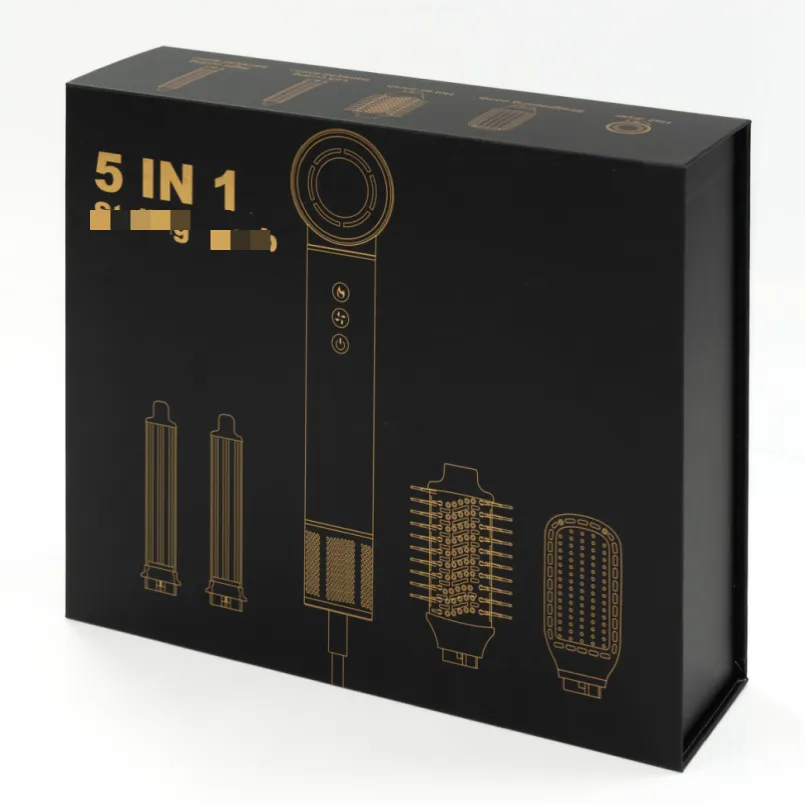
In competitive retail environments where first impressions determine purchasing decisions, packaging design serves as a silent salesman that communicates quality before customers even touch the product. Book-shaped magnetic boxes have emerged as a sophisticated packaging solution that fundamentally transforms how consumers perceive product value, creating an elevated unboxing experience that signals premium quality and craftsmanship. These distinctive packaging formats leverage the familiar, culturally-respected form of a bound book while incorporating modern magnetic closure mechanisms to deliver a multi-sensory impression that standard packaging simply cannot match.
The psychology behind packaging design reveals that consumers make rapid judgments about product quality based on tactile and visual cues presented during the first moments of interaction. Book-shaped magnetic boxes capitalize on deeply ingrained cultural associations with bound volumes as repositories of valuable knowledge and cherished possessions, while the satisfying magnetic closure provides a tactile confirmation of precision engineering. This combination creates a powerful perceptual framework that elevates even modestly-priced products into the premium category, making these packaging solutions particularly valuable for brands seeking to justify higher price points or compete against established luxury competitors without corresponding increases in product cost.
The Psychological Architecture of Value Perception Through Packaging
Cultural Associations and the Book Form Advantage
The book format carries profound cultural weight across virtually all societies, representing education, permanence, and treasured content worth preserving. When brands adopt book-shaped magnetic boxes for product presentation, they immediately tap into these pre-existing positive associations, creating an instant cognitive shortcut that signals the contents deserve similar reverence. Research in consumer psychology demonstrates that packaging formats borrowing from established high-value object categories transfer those value perceptions to their contents, a phenomenon particularly pronounced with book-inspired designs given their universal recognition as containers of important material.
This cultural resonance operates at both conscious and subconscious levels, influencing purchasing decisions before rational evaluation begins. Consumers encountering book-shaped magnetic boxes experience a moment of pleasant cognitive dissonance as their brains reconcile the familiar book form with unexpected product contents, creating memorable engagement that standard boxes cannot achieve. The hardcover book aesthetic specifically communicates permanence and quality, contrasting sharply with disposable packaging formats that signal temporary or utilitarian products. Brands leveraging this form benefit from borrowed equity accumulated across centuries of book production, where binding quality directly correlated with content value.
The Multi-Sensory Impact of Magnetic Closure Systems
The magnetic closure mechanism integrated into book-shaped magnetic boxes delivers critical tactile feedback that reinforces quality perceptions through direct physical interaction. The smooth, controlled resistance as magnets engage creates a satisfying sensation of precision engineering, communicating careful manufacturing attention that consumers instinctively associate with premium products. This tactile dimension proves particularly important because physical interaction triggers more powerful memory formation than visual observation alone, making the unboxing experience with magnetic closures more memorable and shareable than conventional packaging encounters.
The audible element of magnetic engagement adds another sensory layer, with the subtle click of magnets connecting providing auditory confirmation of quality construction. Luxury automotive manufacturers have long understood that door closure sounds influence brand perception, investing significantly in engineering satisfying acoustic feedback. Book-shaped magnetic boxes apply this same principle to product packaging, where the sound of magnetic closure becomes an acoustic signature of quality. The repeatability of this experience matters equally, as magnetic closures maintain consistent performance through multiple openings, unlike adhesive or friction-based closures that degrade with use, subtly communicating durability and lasting value.
Visual Hierarchy and Presentation Choreography
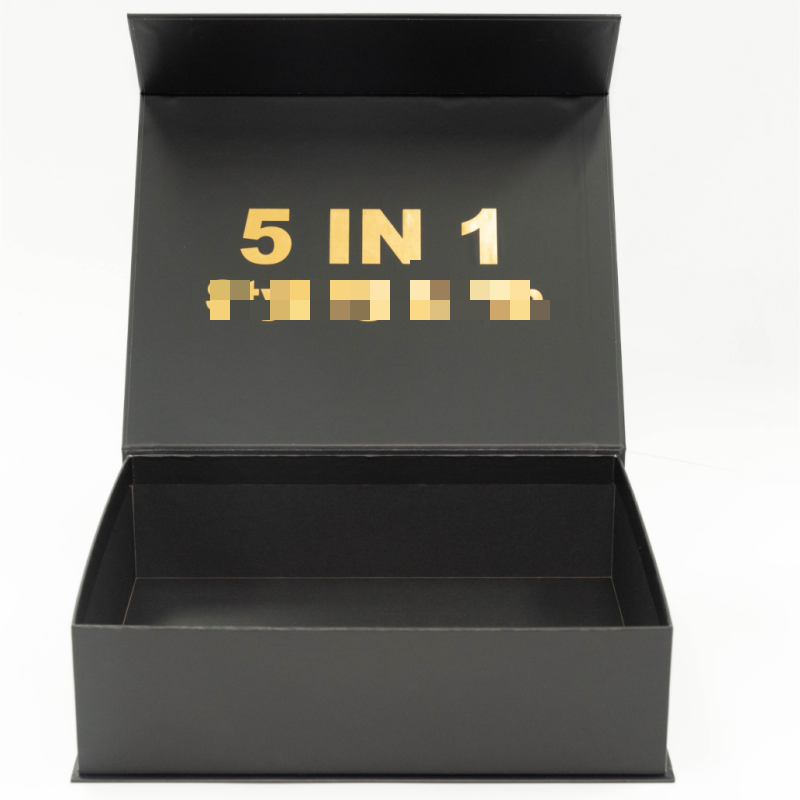
Book-shaped magnetic boxes establish a deliberate revelation sequence that controls how consumers discover products, transforming passive viewing into an active, ritualized experience. The opening gesture mimics reading a valued book, creating a moment of anticipation before product reveal that standard lift-off lids cannot replicate. This choreographed discovery process increases perceived value by delaying gratification and building anticipation, psychological mechanisms that luxury brands exploit to enhance desirability. The interior presentation surface provided by book-style construction offers superior product staging compared to traditional boxes, with the opened lid functioning as a theatrical backdrop that frames contents advantageously.
The architectural depth of book-shaped magnetic boxes allows for sophisticated interior design featuring compartments, layered reveals, and strategic product positioning that guide the viewer's eye through a designed visual journey. This controlled presentation ensures customers encounter products from optimal angles under ideal framing conditions, similar to how museums position artworks for maximum impact. The vertical orientation when opened creates natural viewing angles that feel more formal and respectful than horizontal presentations, subtly communicating that contents deserve careful attention. Brands utilizing these packaging formats effectively create mini-retail environments within the box itself, delivering curated experiences that extend brand storytelling beyond the moment of purchase.
Quantifiable Value Perception Increases Through Design Elements
Material Quality Signals and Construction Integrity
The rigid construction inherent to book-shaped magnetic boxes communicates structural integrity that flexible packaging cannot match, immediately signaling higher manufacturing investment and therefore greater product value. Consumers instinctively recognize that rigid packaging requires more material, more complex manufacturing processes, and higher shipping costs, leading to rational conclusions that brands would only make such investments for products worthy of protection. The board thickness, corner precision, and overall structural stability of quality book-style packaging provide tangible evidence of manufacturing attention that customers can directly assess through handling, creating objective quality markers beyond subjective design preferences.
The surface finishing options available for book-shaped magnetic boxes further amplify value perceptions through visible quality indicators like matte lamination, spot UV coating, metallic foiling, or embossed details. These finishing techniques add visual and tactile complexity that consumers correctly interpret as requiring specialized equipment and additional production steps, translating to higher perceived manufacturing investment. A book-shaped magnetic boxes featuring hot stamping or embossing delivers multiple quality signals simultaneously, with each finishing layer adding incremental value perception while maintaining cohesive design integrity.
Size, Weight, and Substantial Presence
The physical heft of book-shaped magnetic boxes creates an immediate impression of substance that correlates strongly with value perception in consumer psychology research. Weight serves as a quality proxy across numerous product categories, with heavier items generally perceived as more valuable, durable, and worth higher prices. This weight-quality association operates even when consumers consciously know that weight and product performance are unrelated, demonstrating the power of ingrained perceptual heuristics. Book-style packaging naturally provides substantial weight through rigid construction and magnetic hardware, delivering this psychological advantage without requiring actual product modifications.
The dimensional presence of book-shaped magnetic boxes also contributes to value perception through spatial dominance and shelf impact. Larger packaging naturally commands more attention in retail environments and makes stronger impressions in e-commerce unboxing scenarios, where package size relative to product creates anticipation and perceived value disproportionate to actual contents. This size premium operates within reasonable limits, however, as excessive packaging relative to product size eventually triggers negative perceptions of wastefulness or deceptive presentation. Optimal book-shaped packaging balances substantial presence with appropriate product-to-package ratios that suggest generous presentation rather than misleading exaggeration.
Reusability and Extended Value Beyond Initial Purchase
Unlike disposable packaging that consumers immediately discard, book-shaped magnetic boxes possess inherent reuse value that extends brand interaction far beyond the initial purchase moment. The durable construction and attractive design encourage customers to repurpose packaging for storage, organization, or display, keeping the brand physically present in their environment for months or years. This extended visibility provides ongoing brand reinforcement impossible with conventional packaging, while the practical utility of reusable packaging adds real functional value that customers consciously recognize and appreciate.
The gift-giving potential of book-shaped magnetic boxes significantly amplifies perceived value by making products suitable for direct presentation without additional wrapping. Consumers evaluating purchase decisions factor in presentation readiness when considering products for gifts, with packaging quality directly influencing whether items meet gift-giving standards. Book-style packaging with magnetic closures eliminates the need for external gift boxes or wrapping, effectively including gift presentation value within the product price. This dual functionality increases willingness to pay, as customers perceive they are receiving both product and gift packaging in a single purchase, even though the actual manufacturing cost differential may be modest.
Strategic Implementation Across Product Categories and Price Points
Luxury Goods and Premium Cosmetics Applications
High-end cosmetics brands have extensively adopted book-shaped magnetic boxes because these packaging formats perfectly align with luxury positioning strategies and customer expectations for premium presentation. In luxury markets where packaging quality serves as tangible proof of brand claims, the substantial construction and refined aesthetics of book-style packaging provide necessary physical evidence supporting premium pricing. The unboxing ritual created by magnetic closure mechanisms transforms routine product application into a luxury experience, reinforcing purchase satisfaction and building emotional connections that drive brand loyalty and repeat purchases.
The compartmentalized interior possibilities within book-shaped magnetic boxes prove particularly valuable for cosmetics sets and gift collections, allowing brands to create curated experiences with multiple products arranged in visually appealing configurations. The presentation flexibility enables storytelling through product arrangement, guiding customers through intended usage sequences or color combinations while maintaining organized, luxurious presentation throughout the product lifecycle. Premium skincare brands particularly benefit from book-style packaging because the format communicates scientific seriousness and clinical precision while maintaining aesthetic appeal, balancing efficacy messaging with emotional luxury cues.
Electronics and Technology Product Packaging
Technology brands increasingly utilize book-shaped magnetic boxes to elevate commodity electronics into premium experiences, differentiating products in crowded markets where technical specifications alone no longer create competitive advantage. The structured, organized presentation possible within book-style packaging suits technology products requiring cable management, accessory organization, and protective staging during unboxing. The magnetic closure provides practical security during shipping while delivering the premium unboxing experience that technology enthusiasts document and share through social media, generating valuable organic marketing exposure.
The professional aesthetic of book-shaped magnetic boxes aligns well with business technology positioning, where packaging must communicate reliability and sophisticated engineering rather than consumer-focused flash. Enterprise technology providers serving corporate customers benefit from packaging that projects competence and attention to detail, qualities that book-style formats naturally convey through their structured, organized presentation. The reusability factor proves particularly relevant for technology packaging, as customers often retain boxes for product storage during travel or resale, keeping brand messaging visible throughout extended product lifecycles.
Artisan Foods and Specialty Retail Products
Specialty food producers leverage book-shaped magnetic boxes to position artisan products as premium gifts and luxury consumables worthy of higher price points than grocery competitors. The protective qualities of rigid book-style packaging prove functionally important for delicate items like chocolates or confections, while simultaneously communicating the care and quality that justify premium pricing. The gift-ready presentation eliminates barriers to impulse gifting purchases, expanding market opportunities beyond personal consumption to include corporate gifts, holiday presents, and celebratory occasions where presentation quality directly influences purchase decisions.
The storytelling potential of book-shaped magnetic boxes particularly benefits artisan food brands with rich heritage narratives or craft production methods worth communicating. The interior lid surface provides dedicated space for brand stories, ingredient sourcing details, or maker profiles that build emotional connections and justify price premiums through transparency and authenticity messaging. The format naturally invites consumers to pause and engage with packaging content rather than immediately discarding containers, creating valuable opportunities for brand education and relationship building that conventional food packaging rarely achieves.
Manufacturing Considerations and Quality Control for Maximum Impact
Material Selection and Structural Engineering
The foundation of effective book-shaped magnetic boxes begins with appropriate substrate selection, typically utilizing high-density chipboard or greyboard in thicknesses ranging from 1200 to 2000 grams per square meter depending on package dimensions and intended product weight. Thicker boards provide superior structural integrity and more substantial feel but increase material costs and shipping weights, requiring careful optimization based on product category and brand positioning. The board quality significantly impacts corner sharpness, edge definition, and overall structural longevity, with premium book-style packaging requiring tightly compressed, uniform-density boards that maintain shape integrity through repeated opening cycles.
The covering materials applied to structural boards dramatically influence final presentation quality and durability, with options ranging from printed art paper to specialty textured papers, fabric coverings, or synthetic leather alternatives. Each covering material delivers distinct aesthetic and tactile qualities while presenting unique manufacturing challenges regarding adhesion, corner finishing, and edge treatment. High-quality book-shaped magnetic boxes require precise material tensioning during covering application to prevent bubbling, wrinkling, or delamination that would undermine quality perceptions. The covering material selection must also consider intended product category, with food-safe materials required for edible products and moisture-resistant options necessary for cosmetics or personal care items.
Magnetic Hardware Selection and Placement Engineering
The magnetic closure mechanism represents the defining functional feature of book-shaped magnetic boxes, requiring careful specification and placement to deliver satisfying closure performance without compromising structural integrity or creating excessive production complexity. Neodymium magnets provide optimal holding strength relative to size, typically specified in matched pairs with holding forces calibrated to package dimensions and expected contents weight. Insufficient magnetic strength creates frustrating closure performance that undermines quality perceptions, while excessive magnetic force makes opening difficult and creates potential finger pinch points that negatively impact user experience.
The engineering challenge involves precise magnet placement to ensure consistent alignment between mating surfaces throughout repeated use cycles, as even minor positional variations create misalignment that prevents satisfying closure performance. Quality book-shaped magnetic boxes incorporate protective pockets or channels that securely retain magnets while preventing adhesive failure or magnet migration during handling and shipping. The magnet installation process requires careful quality control because externally invisible defects like incomplete adhesive coverage or incorrect polarity orientation create functional failures discovered only during customer use, generating disproportionately negative brand impressions relative to the minor manufacturing defect.
Interior Finishing and Presentation Optimization
The interior design of book-shaped magnetic boxes critically influences final value perception because internal presentation directly frames products during the crucial unboxing moment. Interior finishing options include complementary or contrasting paper linings, foam inserts for product protection and positioning, fabric or flocking for luxury tactile experiences, or printed graphics that continue brand storytelling. The interior color selection significantly impacts product presentation, with neutral tones providing versatile backgrounds that allow products to dominate visual attention, while bold interior colors create dramatic contrast that amplifies presentation impact for appropriate brand personalities.
Custom die-cut foam inserts provide optimal product protection and presentation control, creating negative space forms that cradle products precisely while guiding placement and removal. The engineering precision visible in well-executed foam inserts communicates manufacturing sophistication that enhances quality perceptions, while poorly fitting or obviously generic inserts undermine the premium positioning that book-shaped magnetic boxes are intended to create. The investment in custom interior finishing represents a critical decision point where cost pressures tempt compromise, yet interior quality disproportionately influences customer satisfaction because consumers directly interact with interior surfaces during every product use, making this finishing the most frequently experienced packaging element after initial unboxing.
Measuring Return on Investment and Value Creation
Price Premium Justification and Margin Enhancement
The adoption of book-shaped magnetic boxes typically increases packaging costs by multiples compared to standard folding cartons or basic rigid boxes, raising critical questions about return on investment and margin impact. Quantifying value creation requires measuring both direct revenue effects through increased pricing power and indirect benefits including reduced return rates, enhanced brand perception, and improved customer lifetime value. Brands successfully implementing premium book-style packaging typically achieve price increases of fifteen to forty percent compared to previously equivalent products in standard packaging, with actual premiums varying by product category, competitive context, and overall brand strength.
The calculation of effective return on packaging investment must account for the reusability factor that reduces perceived per-use cost from the customer perspective, even though the brand absorbs full packaging cost at initial sale. When customers retain and repurpose book-shaped magnetic boxes for extended periods, they psychologically amortize the packaging cost across multiple uses, reducing the per-use premium attribution and increasing satisfaction with initial purchase price. Additionally, the gift-ready presentation eliminates customer spending on external gift boxes or bags, effectively transferring that expenditure into product price tolerance while delivering superior integrated presentation.
Social Media Amplification and Organic Marketing Value
The Instagram economy has transformed packaging from purely functional product protection into marketing content that consumers voluntarily create and distribute through unboxing documentation and lifestyle photography. Book-shaped magnetic boxes possess inherent photogenic qualities and dramatic unboxing sequences that encourage social sharing, generating organic brand exposure with authenticity and reach that paid advertising cannot replicate. The quantification of this marketing value proves challenging but clearly material, with individual unboxing posts potentially reaching thousands of viewers who perceive shared content as credible peer recommendations rather than brand messaging.
The visual distinctiveness of book-style packaging creates recognizable brand signatures that function as visual identifiers even when brand names are not prominently displayed in social media imagery. This signature recognition builds brand equity through repeated exposure across multiple consumer-generated posts, creating cumulative awareness effects similar to traditional advertising but with substantially lower acquisition costs. Brands can amplify organic sharing by designing specific photogenic moments into book-shaped magnetic boxes, such as revealed messages on interior surfaces, aesthetically arranged product layouts, or surprising reveal sequences that create shareable moments customers want to document and distribute.
Customer Retention and Lifetime Value Enhancement
The enhanced unboxing experience and reusable nature of book-shaped magnetic boxes create positive brand interactions that extend well beyond initial purchase, influencing customer retention rates and lifetime value calculations that justify premium packaging investment. Customers who experience superior packaging quality demonstrate measurably higher repurchase rates compared to those receiving equivalent products in standard packaging, as the positive emotional associations created during unboxing transfer to overall brand perception. The retention improvement proves particularly valuable in subscription or repeat purchase categories where customer lifetime value significantly exceeds initial transaction value.
The physical presence of retained book-shaped magnetic boxes in customer homes creates ongoing brand exposure and reminder effects that support repurchase decisions when replacement needs arise. This environmental integration proves especially powerful because the packaging serves functional storage or organization purposes, creating positive brand associations through continued utility rather than purely decorative presence. The transition of packaging from waste stream to valued household item fundamentally alters the customer relationship with the brand, creating goodwill and positive associations that influence future purchase decisions across extended time horizons that extend packaging return on investment calculations well beyond initial sale metrics.
FAQ
What price point justifies investment in book-shaped magnetic boxes for product packaging?
Book-shaped magnetic boxes become economically viable for products retailing above approximately thirty dollars, though optimal return on investment typically occurs at price points exceeding fifty dollars where packaging costs represent manageable percentages of total product value. The specific threshold varies by product category, competitive context, and brand positioning strategy, with luxury goods justifying premium packaging at higher cost ratios than commodity categories. Brands should evaluate packaging investment relative to achievable price premiums and marketing value rather than as fixed cost percentages, as the differentiation and brand-building benefits often justify higher packaging investments than traditional cost accounting would suggest.
How do book-shaped magnetic boxes perform in e-commerce shipping compared to standard packaging?
The rigid construction of book-shaped magnetic boxes provides superior product protection during shipping compared to folding cartons, potentially reducing damage-related returns and replacement costs that offset higher initial packaging expenses. However, the dimensional weight and non-collapsible structure increase shipping costs compared to flat-packed alternatives, requiring careful evaluation of total delivered cost including both packaging and freight expenses. Many brands successfully mitigate shipping cost increases by positioning book-style packaging as premium presentation that justifies price increases covering incremental logistics expenses, while the reduced return rates from better protection and enhanced customer satisfaction frequently offset shipping cost differentials.
Can book-shaped magnetic boxes work effectively for lower-priced products or would they seem disproportionate?
While book-shaped magnetic boxes typically align with premium positioning, creative implementation can make them viable for mid-market products when packaging serves dual purposes beyond pure presentation, such as providing reusable storage functionality that customers value as part of the product offering rather than disposable waste. Smaller-format book-style packaging with simplified finishing can reduce per-unit costs while maintaining structural advantages and magnetic closure benefits, making the format accessible at lower price points than full-scale luxury implementations. The key consideration involves ensuring packaging quality aligns with product value so customers perceive appropriate investment rather than excessive packaging that suggests inflated pricing or environmental waste.
What sustainability considerations apply to book-shaped magnetic boxes given current environmental concerns?
The environmental profile of book-shaped magnetic boxes presents both challenges and advantages compared to conventional packaging, with higher material usage offset by extended lifecycle through reusability that prevents immediate waste stream entry. The rigid paperboard construction allows for recycled content utilization and eventual recyclability, though magnetic hardware requires removal for proper recycling in most municipal systems. Brands can enhance sustainability positioning by designing book-style packaging explicitly for long-term reuse rather than single-use disposal, communicating the extended utility that justifies material investment while incorporating recycled materials and sustainable forestry certifications that address environmental concerns. The key involves framing durable, reusable packaging as environmentally preferable to disposable alternatives despite higher initial material usage, a position increasingly accepted by environmentally-conscious consumers who recognize that lifecycle impact matters more than initial resource consumption.
Table of Contents
- The Psychological Architecture of Value Perception Through Packaging
- Quantifiable Value Perception Increases Through Design Elements
- Strategic Implementation Across Product Categories and Price Points
- Manufacturing Considerations and Quality Control for Maximum Impact
- Measuring Return on Investment and Value Creation
-
FAQ
- What price point justifies investment in book-shaped magnetic boxes for product packaging?
- How do book-shaped magnetic boxes perform in e-commerce shipping compared to standard packaging?
- Can book-shaped magnetic boxes work effectively for lower-priced products or would they seem disproportionate?
- What sustainability considerations apply to book-shaped magnetic boxes given current environmental concerns?