
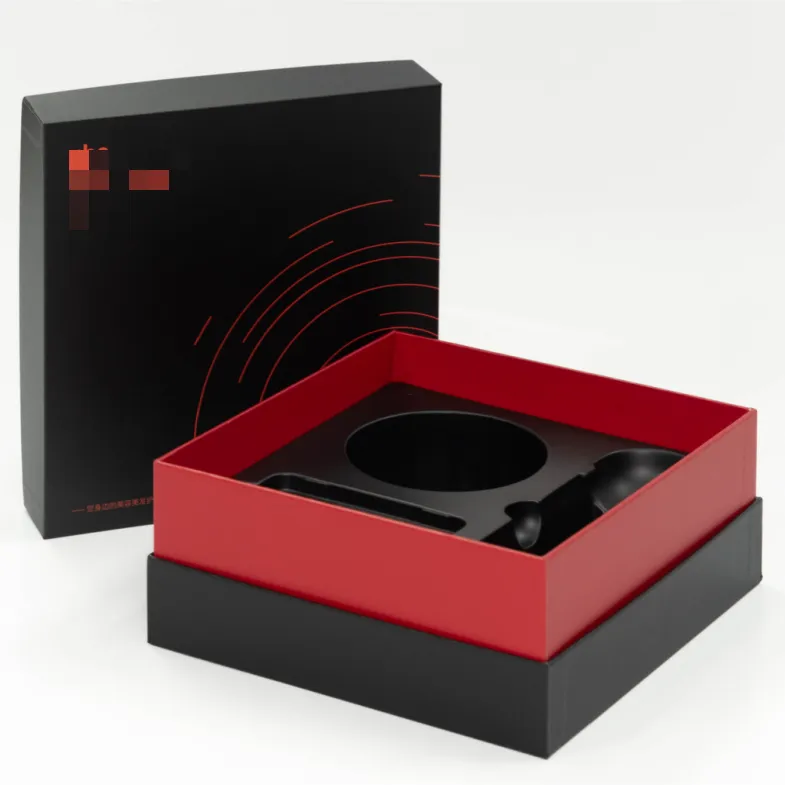
Luxury brands invest considerable resources in packaging design because the unboxing experience directly influences consumer perception, brand loyalty, and perceived product value. Among various packaging formats, drawer boxes have emerged as the preferred choice for high-end jewelry and premium gift sets, combining structural elegance with functional superiority. The distinctive sliding mechanism of drawer boxes creates a tactile engagement that transforms ordinary product presentation into a memorable ritual, reinforcing the luxury positioning that premium brands carefully cultivate. This packaging format addresses multiple business objectives simultaneously: protecting delicate contents, communicating brand prestige, and creating shareable moments that extend marketing reach through social media.
The popularity of drawer boxes within luxury segments stems from their unique ability to deliver what premium consumers expect: anticipation, reveal, and lasting value. Unlike traditional hinged boxes or basic sleeves, drawer boxes incorporate a deliberate opening sequence that slows down the unboxing process, building emotional engagement before the product is even visible. This psychological dynamic proves particularly valuable for jewelry brands and gift set manufacturers where the presentation moment significantly impacts customer satisfaction and word-of-mouth recommendations. Understanding why drawer boxes dominate luxury packaging requires examining their structural advantages, experiential benefits, brand communication capabilities, and practical protective functions that align with premium market expectations.
The Structural Advantages That Define Premium Drawer Boxes
Engineered Precision and Material Quality
The construction of drawer boxes for luxury applications demands engineering precision that distinguishes them from standard packaging solutions. Premium drawer boxes typically feature rigid chipboard cores ranging from 1200 to 2000 gsm, providing structural integrity that prevents warping, crushing, or deformation during handling and storage. The drawer mechanism itself requires exact tolerances to ensure smooth gliding action without looseness or binding, a quality standard that directly communicates product value. High-end manufacturers often incorporate ball-bearing slides or precision-fitted channels that deliver whisper-quiet operation, transforming a simple opening gesture into a sensory statement of craftsmanship. This mechanical refinement reflects the same attention to detail that luxury consumers expect from the products contained within drawer boxes.
Material selection for luxury drawer boxes extends beyond basic paperboard to include specialty substrates that enhance both durability and aesthetic impact. Wrapped drawer boxes commonly utilize art papers, textured specialty stocks, or fabric coverings that provide tactile richness unavailable in printed-only formats. The combination of rigid structural components with premium surface materials creates packaging that feels substantial in hand, reinforcing perceived product value through physical weight and texture. Many jewelry brands select drawer boxes with velvet or suede-touch finishes specifically because these materials evoke sensory associations with luxury goods, creating coherent brand experiences from the first touch. The structural investment in quality drawer boxes signals to consumers that the brand values excellence throughout every customer interaction, not just in the core product.
Customization Flexibility for Brand Differentiation
Drawer boxes offer exceptional customization potential that enables luxury brands to create distinctive packaging identities within competitive markets. The format accommodates multiple decoration techniques including hot foil stamping, embossing, debossing, spot UV coating, and soft-touch lamination, often combined within single designs to create multidimensional visual effects. Unlike flexible packaging with limited decoration options, rigid drawer boxes provide stable surfaces ideal for intricate graphic applications and precise registration of multiple finishing processes. Premium brands frequently commission custom drawer boxes with proprietary color formulations, unique material combinations, and signature structural details that become recognizable brand assets. This customization extends to interior components, where drawer boxes can incorporate custom-fitted inserts, branded dividers, and protective cushioning elements specifically engineered for individual product dimensions.
The structural versatility of drawer boxes allows designers to create packaging that functions as both protective container and display platform. Many luxury jewelry presentations utilize drawer boxes with removable lids that convert to showcase bases, enabling retail display configurations that maintain brand consistency from stockroom to sales floor. The format accommodates window cutouts, magnetic closures, ribbon pull systems, and integrated lighting channels, expanding creative possibilities beyond conventional box designs. This flexibility proves particularly valuable for seasonal collections and limited editions where drawer boxes can be modified with special inserts or decorative elements without requiring complete structural redesign. The ability to adapt drawer boxes across product lines while maintaining core brand aesthetics reduces development costs while supporting cohesive brand presentation strategies.
Protective Performance for High-Value Contents
The rigid construction inherent to quality drawer boxes delivers superior product protection compared to folding cartons or flexible packaging alternatives. The robust outer sleeve and inner drawer components create dual-layer shielding against impact, compression, and environmental factors that threaten delicate jewelry pieces and gift set contents. This protective architecture proves essential for products that combine multiple materials with different vulnerability profiles, such as watch sets with leather straps, metal components, and electronic movements. Premium drawer boxes often incorporate custom foam inserts, molded pulp cradles, or vacuum-formed trays that immobilize products during transit, preventing movement-related damage that compromises product integrity. The investment in protective drawer boxes reduces return rates and customer service costs while maintaining brand reputation for quality delivery.
Environmental resistance represents another critical protective dimension where drawer boxes excel in luxury applications. Properly constructed drawer boxes with precision-fitted components create enclosed chambers that buffer contents against humidity fluctuations, dust infiltration, and temperature variations during shipping and storage. Jewelry brands particularly value this environmental isolation because precious metals and gemstones require stable conditions to prevent tarnishing, discoloration, or stone loosening. Many manufacturers specify drawer boxes with moisture barrier coatings or desiccant pockets integrated into structural design, creating controlled microclimates that extend product shelf life. This protective performance directly supports brand promises regarding product condition upon delivery, a critical factor in luxury market segments where customer expectations tolerate no compromise.
The Experiential Benefits That Drive Consumer Preference
Psychological Impact of the Unboxing Sequence
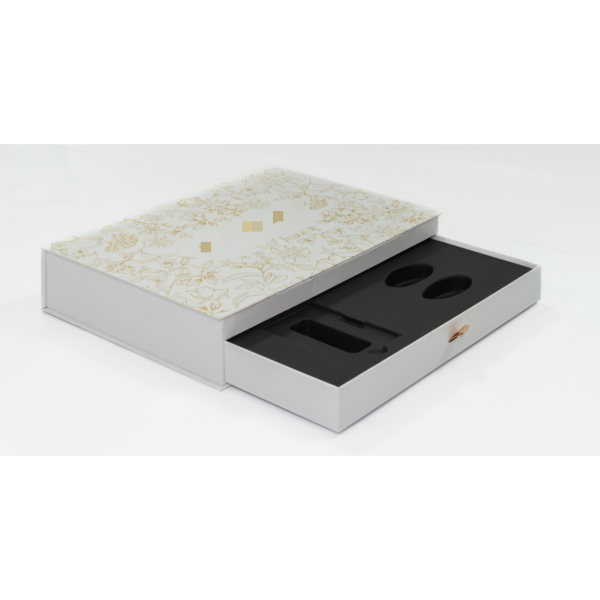
The sliding reveal mechanism central to drawer boxes creates psychological anticipation that conventional packaging formats cannot replicate. Research in consumer behavior demonstrates that delayed gratification intensifies emotional responses, and the drawer opening sequence inherently builds temporal spacing between initial contact and product revelation. This engineered pause activates anticipation circuits in consumer psychology, elevating the perceived significance of the enclosed product regardless of its actual monetary value. Luxury brands leverage drawer boxes specifically to manufacture these experiential moments, understanding that emotional engagement during unboxing strongly correlates with customer satisfaction scores and repeat purchase behavior. The physical act of pulling open a well-crafted drawer delivers tactile feedback that combines resistance and smoothness, creating sensory signatures that consumers associate with quality and attention to detail.
Social sharing behavior provides another dimension where drawer boxes generate measurable marketing value through experiential design. Premium unboxing experiences featuring drawer boxes receive substantially higher social media posting rates compared to conventional packaging, effectively converting customers into brand advocates through shareable content creation. The visual drama of sliding open elegant drawer boxes photographs and videos exceptionally well, providing content that communicates luxury positioning without explicit promotional messaging. Brands recognize that investment in experiential drawer boxes generates organic marketing reach that extends far beyond the initial purchaser, creating audience impressions that would require significant paid advertising budgets to achieve through traditional channels. This secondary marketing value justifies premium packaging investments by delivering measurable returns through expanded brand visibility and enhanced brand perception among target demographics.
Reusability and Extended Brand Presence
Unlike disposable packaging that consumers immediately discard, well-designed drawer boxes invite retention and repurposing, extending brand presence within consumer environments long after the original purchase. The structural durability and aesthetic quality of premium drawer boxes encourage consumers to use them as jewelry organizers, keepsake containers, or decorative storage solutions, maintaining brand visibility through daily interaction. This extended utility transforms packaging investment into sustained marketing presence, with branded drawer boxes occupying prominent positions on dressers, desks, and shelving systems where they function as persistent brand reminders. Luxury brands often design drawer boxes with this secondary lifecycle in mind, incorporating timeless aesthetics and neutral color palettes that integrate seamlessly with residential interiors rather than appearing overtly commercial.
The gift-giving context particularly amplifies the value of reusable drawer boxes, as recipients frequently retain attractive packaging even after removing the original contents. Premium drawer boxes communicate gift-giver thoughtfulness through their obvious quality and attention to presentation detail, reflecting positively on both the brand and the purchaser. This dual value proposition makes drawer boxes especially popular for jewelry gifts, anniversary sets, and corporate recognition programs where packaging quality signals respect and appreciation for recipients. Brands benefit from this extended presence through repeated exposure events as recipients access stored items, creating cumulative impression values that compound over months or years of continued use. The sustainability dimension of reusable drawer boxes also aligns with growing consumer preferences for packaging that delivers value beyond single-use functionality, supporting brand positioning around responsible luxury and thoughtful design.
Premium Positioning Through Material Perception
Consumer perception studies consistently demonstrate that packaging materials directly influence product value assessment, with rigid formats like drawer boxes commanding higher perceived value than flexible alternatives. The substantial feel, audible quality of closure mechanisms, and visual refinement of premium drawer boxes create multisensory cues that prime consumers to expect superior product quality before they even view contents. This perceptual framing proves particularly powerful in jewelry and gift markets where emotional factors significantly influence purchasing decisions and satisfaction judgments. Luxury brands leverage drawer boxes to establish value perceptions that support premium pricing strategies, understanding that packaging investment generates returns through enhanced willingness to pay and reduced price sensitivity among target consumers.
The material authenticity communicated through quality drawer boxes addresses increasing consumer sophistication regarding packaging quality indicators. Experienced luxury consumers recognize the cost and craftsmanship investment required to produce precision drawer boxes with premium materials and finishing techniques, interpreting this investment as evidence of genuine brand commitment to excellence. This authentication function becomes especially valuable in markets plagued by counterfeiting, where inferior packaging immediately signals suspect authenticity to knowledgeable consumers. Premium brands protect market position by specifying drawer boxes with proprietary structural details, specialized materials, and finishing techniques that counterfeiters cannot economically replicate, effectively using packaging as a first-line authentication tool. The material substance of quality drawer boxes creates tangible differentiation that consumers can evaluate through direct sensory experience, supporting brand integrity in ways that marketing claims alone cannot achieve.
Brand Communication Capabilities of Premium Drawer Boxes
Visual Storytelling Through Structural Design
The three-dimensional nature of drawer boxes provides expanded surface area for brand storytelling compared to flat packaging formats, enabling narrative development across multiple viewing angles and interior surfaces. Premium brands utilize outer sleeves for primary brand identity and hero imagery, then extend storytelling onto drawer exteriors with complementary graphics, product information, or heritage narratives that unfold as consumers interact with the packaging. The interior surfaces of drawer boxes offer opportunities for surprise elements, personalized messages, or detailed product information that rewards careful examination, creating layered communication strategies that engage consumers beyond initial visual impact. This spatial storytelling capability allows jewelry brands to communicate provenance, craftsmanship details, and brand heritage through integrated visual programs that conventional packaging cannot accommodate.
Structural design elements within drawer boxes themselves function as non-verbal brand communication, conveying positioning through form language rather than explicit messaging. Angular geometries with sharp edges communicate modern sophistication, while rounded corners and soft closures suggest approachable luxury. The depth and proportions of drawer boxes signal product category expectations, with shallow drawers suggesting delicate jewelry pieces and deeper formats indicating substantial gift sets or watch presentations. Premium brands work with packaging engineers to develop proprietary drawer box architectures that become recognizable brand signatures, creating distinctive packaging silhouettes that consumers associate with specific luxury identities. This structural branding creates differentiation that persists even when boxes are viewed from distance or in contexts where graphic details remain invisible, supporting brand recognition through pure form recognition.
Tactile Branding Through Material Selection
The haptic dimension of drawer boxes creates branding opportunities through carefully orchestrated tactile experiences that reinforce brand personality and values. Surface textures ranging from glossy lacquers to matte soft-touch coatings create distinct sensory signatures that consumers unconsciously associate with brand identities through repeated exposure. Luxury jewelry brands frequently specify drawer boxes with velvet or suede flocking specifically because these textures trigger psychological associations with precious objects and careful curation, priming consumers for premium experiences before product reveal. The opening resistance and sliding friction of drawer mechanisms also communicate brand character, with effortless gliding suggesting refined engineering while controlled resistance implies substantial construction and protective security.
Temperature perception adds another subtle dimension to tactile branding through drawer boxes, as material thermal properties create immediate sensory impressions during initial handling. Metal-clad drawer boxes or those with metallic finishes feel cool to touch, communicating technical precision and modern luxury, while natural fiber coverings provide warmth that suggests artisanal craft and organic authenticity. These thermal cues operate below conscious awareness yet influence emotional responses and brand perception through primitive sensory processing channels. Premium brands orchestrate these tactile details deliberately within drawer box specifications, recognizing that multisensory consistency reinforces brand identity more powerfully than visual elements alone. The physical intimacy of handling drawer boxes creates neurological encoding that builds stronger memory traces compared to visual-only brand exposures, supporting long-term brand recall and preference development.
Sustainability Messaging Through Material Choices
Contemporary luxury consumers increasingly evaluate brands through sustainability lenses, creating imperatives for drawer boxes that balance premium presentation with environmental responsibility. Progressive brands specify drawer boxes manufactured from recycled content, FSC-certified paperboard, or rapidly renewable materials like bamboo fiber composites, using packaging as tangible evidence of environmental commitment. The durability and reusability inherent to quality drawer boxes supports sustainability narratives by reducing single-use waste, with brands explicitly positioning premium packaging as investment pieces rather than disposable containers. This framing transforms potential criticism about packaging excess into positive messaging about thoughtful design for extended utility, aligning luxury positioning with emerging values around conscious consumption.
Material transparency within drawer box specifications enables brands to communicate sustainability credentials through concrete data rather than vague claims. Detailed material disclosure including recycled content percentages, biodegradability characteristics, and end-of-life recycling pathways provides substance for environmentally conscious consumers seeking verifiable information. Some luxury brands print this technical information directly onto drawer box interiors, educating consumers about environmental considerations while demonstrating transparency. The substantial construction of premium drawer boxes also supports repair and refurbishment rather than replacement, with some brands offering drawer box restoration services that extend packaging lifecycle while reinforcing brand relationships through ongoing engagement. This service dimension transforms drawer boxes from disposable containers into durable brand assets that warrant maintenance investment, fundamentally reframing the packaging value proposition.
Market Dynamics Driving Drawer Box Adoption in Luxury Segments
Competitive Differentiation in Saturated Markets
The proliferation of luxury jewelry brands and premium gift products has intensified competition for consumer attention, making distinctive packaging essential for market differentiation. Drawer boxes provide structural differentiation that creates immediate visual distinction on retail shelves and e-commerce product imagery, helping brands stand out in crowded competitive environments. The three-dimensional presence of drawer boxes photographs exceptionally well for online retail contexts, providing depth and shadow information that communicates premium quality through digital channels where physical examination remains impossible. Brands recognize that investment in distinctive drawer boxes generates competitive advantages through enhanced shelf presence and improved digital conversion rates, justifying premium packaging costs through measurable sales performance improvements.
Retail partnerships increasingly favor brands utilizing premium drawer boxes because sophisticated packaging drives higher perceived value and supports premium pricing strategies that improve margin performance. Luxury retailers curate brand selections partly based on packaging quality, understanding that exceptional presentation elevates overall shopping environments and reinforces store positioning. Brands supplying products in premium drawer boxes receive preferential placement, expanded display allocations, and stronger sales support from retail partners who recognize packaging quality as a leading indicator of brand commitment and product quality. This retail preference creates positive feedback loops where packaging investment generates distribution advantages that expand market access and sales volume, multiplying returns on packaging specification decisions.
E-Commerce Presentation Requirements
The explosive growth of online luxury sales has elevated packaging importance because digital shoppers cannot physically examine products before purchase, making packaging a primary tangible quality indicator. High-quality drawer boxes photograph with dimensional depth and material richness that translates effectively to screen presentations, providing visual cues that substitute for physical inspection in digital shopping contexts. E-commerce platforms reward products with premium packaging through higher conversion rates and reduced return frequencies, as attractive drawer boxes set appropriate expectations that align with delivered product quality. Brands optimize drawer box designs specifically for photographic impact, incorporating contrasting colors, dramatic opening sequences, and visually striking interior presentations that create compelling product imagery for digital merchandising.
Unboxing content creation has emerged as a critical marketing channel where drawer boxes deliver measurable value through social proof and peer recommendation. Influencer partnerships and customer-generated content programs specifically request products packaged in photogenic drawer boxes because the format creates engaging visual narratives suitable for video content and social media posts. Brands track unboxing mention rates and social media impressions generated by distinctive drawer boxes, measuring packaging ROI through digital engagement metrics that quantify marketing value beyond direct sales impact. The shareable nature of premium drawer boxes effectively converts every customer into a potential brand ambassador, generating authentic testimonial content that carries higher credibility than paid advertising while reaching algorithmically amplified audiences through social platform distribution mechanisms.
Gifting Market Dynamics
Gift-giving occasions represent disproportionately high-value transactions where packaging quality directly influences purchase decisions and perceived gift appropriateness. Drawer boxes communicate gift-giver thoughtfulness and care through obvious presentation investment, making them particularly popular for jewelry gifts, anniversary celebrations, and milestone recognition events. The format signals that contents warrant special presentation, priming recipients for positive experiences before product reveal while reflecting favorably on gift-giver judgment and generosity. Brands targeting gift markets specify premium drawer boxes understanding that purchasers evaluate packaging as part of the total gift value proposition, not merely as protective containment for the actual product.
Corporate gifting programs particularly favor drawer boxes because professional presentation requirements demand packaging that conveys respect, appreciation, and organizational values. Premium drawer boxes with custom branding serve dual functions as product containers and corporate identity vehicles, extending brand presence into recipient organizations through distinctive packaging that remains visible long after initial presentation. The reusability of quality drawer boxes proves especially valuable in corporate contexts where recipients frequently repurpose attractive packaging for desk organization or personal item storage, maintaining brand visibility through sustained workplace presence. This extended utility justifies premium drawer box investments for corporate gift programs through sustained impression delivery that compounds over time rather than terminating at initial gift presentation.
FAQ
What makes drawer boxes more expensive than standard jewelry packaging options?
Drawer boxes require significantly more material and manufacturing complexity compared to folding cartons or basic hinged boxes. The rigid chipboard construction demands heavier weight substrates, typically 1200 to 2000 gsm, compared to 300 to 400 gsm paperboard used in folding cartons. The two-piece construction with precise mechanical fit requires additional die-cutting, assembly, and quality control steps. Premium finishing techniques like fabric wrapping, foil stamping, and embossing add further cost layers. However, the investment delivers returns through enhanced perceived value, higher retail prices, improved customer satisfaction, and extended brand presence through packaging reuse, making drawer boxes cost-effective when evaluated against total customer lifetime value rather than unit packaging cost alone.
Can drawer boxes be manufactured with sustainable materials without compromising luxury appearance?
Contemporary drawer box manufacturing increasingly incorporates sustainable materials that maintain premium aesthetics while reducing environmental impact. FSC-certified paperboard from responsibly managed forests provides structural foundation with verified sustainability credentials. Recycled content chipboard now achieves quality standards comparable to virgin materials when properly processed. Water-based adhesives and soy-based inks replace solvent systems without visual compromise. Alternative coverings including organic cotton, hemp textiles, and innovative materials derived from agricultural waste offer luxury textures with improved environmental profiles. Many luxury brands successfully market drawer boxes highlighting both premium presentation and sustainability attributes, appealing to environmentally conscious consumers who refuse to compromise on quality while seeking responsible purchasing options.
How do drawer boxes perform during shipping compared to other rigid packaging formats?
Drawer boxes provide excellent transit protection due to their robust two-piece construction and rigid substrate specifications. The nested design with outer sleeve and inner drawer creates dual-layer impact protection that cushions contents during handling and prevents crushing damage. The precise mechanical fit prevents internal movement that could damage products, particularly important for jewelry items with multiple components. However, drawer boxes require careful outer packaging selection because the sliding mechanism can separate during rough handling if not properly secured with bands, shrink wrap, or protective outer cartons. When properly packaged for transit, drawer boxes deliver protection levels comparable to fully rigid boxes while maintaining the presentation advantages that make them valuable for luxury applications.
What size limitations apply to drawer box manufacturing for jewelry and gift applications?
Drawer boxes can be manufactured across a wide size range, though practical and economic considerations influence optimal dimensions for specific applications. Minimum sizes around 50mm x 50mm accommodate small jewelry items like rings and earrings while maintaining structural integrity and functional drawer action. Maximum sizes typically extend to approximately 400mm x 300mm for large gift sets, though larger formats become unwieldy and may require structural reinforcement. The depth-to-width ratio affects manufacturing feasibility, with very shallow drawers requiring precise engineering to ensure smooth operation without binding. Custom sizing accommodates specific product dimensions, though standardized sizes offer cost advantages through efficient material utilization and streamlined production processes. Brands should consult packaging engineers early in product development to optimize drawer box dimensions for both product fit and manufacturing efficiency.
Table of Contents
- The Structural Advantages That Define Premium Drawer Boxes
- The Experiential Benefits That Drive Consumer Preference
- Brand Communication Capabilities of Premium Drawer Boxes
- Market Dynamics Driving Drawer Box Adoption in Luxury Segments
-
FAQ
- What makes drawer boxes more expensive than standard jewelry packaging options?
- Can drawer boxes be manufactured with sustainable materials without compromising luxury appearance?
- How do drawer boxes perform during shipping compared to other rigid packaging formats?
- What size limitations apply to drawer box manufacturing for jewelry and gift applications?