
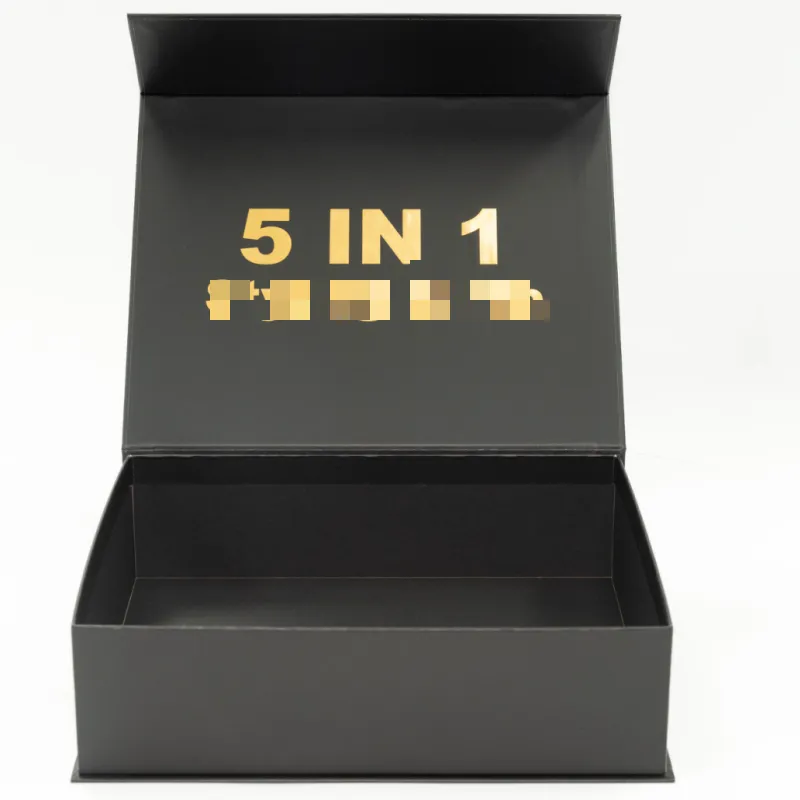
A paper storage box is popular in custom packaging because it can combine product presentation, practical storage, and brand-specific design in one format. For businesses, a paper storage box can be tailored to fit a product or a particular sales experience without requiring an entirely different packaging concept for every use. Its appeal comes from the balance between adaptable design and everyday function.

The format is not simply a container; it can become part of how a product is protected, displayed, and kept after delivery. A well-planned paper storage box gives packaging teams room to coordinate size, graphics, and structure. That versatility helps explain why businesses consider a paper storage box for projects that need both a clear identity and useful packaging after purchase.
Design flexibility supports custom brand presentation
Shape and graphics can follow the product
A key reason for choosing a paper storage box is the ability to align the package with the product’s dimensions and visual identity. Instead of relying on a generic container, a business can specify proportions, opening style, and printed artwork around the item. This makes a paper storage box useful when packaging needs to feel considered while still serving a practical role.
Custom graphics also give teams control over how information and brand elements appear together. A paper storage box can carry a restrained design for technical goods or a more expressive look for gifts and retail products. Because the outside is part of the customer’s first impression, choices about color, finish, and layout help a paper storage box connect the package to the product inside.
One format can serve different customer moments
The same packaging format can support retail shelves, corporate gifting, event kits, or direct shipment, provided the structure suits the handling conditions. A paper storage box lets a packaging team adjust dimensions and presentation to the moment of use. For example, a gift set may need compartments, while a parts kit may prioritize easy access and clear identification.
That adaptability matters for organizations serving multiple product lines or channels. A paper storage box can retain consistent visual cues while artwork and internal layout change for a particular audience. This creates a coherent family of packages rather than unrelated designs. Teams can use a paper storage box as a flexible starting point, then confirm that each version meets its own product and distribution requirements.
Practical structure supports storage and handling
Fit and organization can reduce packaging friction
A package that fits its contents helps teams organize products and accessories in a predictable way. A paper storage box can be sized around the item, which may limit unnecessary empty space and make the contents easier to arrange. When a paper storage box includes dividers or shaped inserts, it can also keep components grouped, subject to suitable design and material choices.
In warehouses and offices, clear labeling and an orderly shape can make packaged items simpler to identify and store. A paper storage box may be designed to stack or fit into a designated shelf area, but the intended load and storage duration should be considered. These details make a paper storage box useful beyond the moment of sale, especially for products with accessories or items customers keep together.
Protection depends on the design brief
The protective value of a paper storage box depends on its board grade, construction, fit, and expected route through handling. A package for lightweight goods has different needs from one exposed to frequent movement or compression. Businesses should define likely impacts, moisture exposure, and shipping conditions before finalizing a paper storage box, rather than assuming that appearance alone indicates protection.
Testing a representative sample can reveal whether closures stay secure and contents remain in position during normal operations. If the product is fragile or the distribution chain is demanding, a paper storage box may need an inner insert or an additional outer shipper. This practical assessment helps teams select a paper storage box that matches real use instead of relying on an unverified assumption about durability.
Business value comes with clear design trade-offs
Material and production choices shape suitability
Paper-based packaging is often considered because it supports printing and can be specified in different structures, but the full design still affects cost and resource use. A paper storage box with complex inserts, coatings, or finishing may require more material and production steps than a simple version. Teams should compare the desired appearance and function with the actual packaging specification before approval.
Dimensions, order quantities, print requirements, and assembly needs all influence the production plan. A paper storage box designed to use common sizes or straightforward folding may be easier to handle operationally, while a highly customized structure may better serve a specific product. Discussing these details early helps a business balance brand goals with feasible production and makes a paper storage box easier to integrate into its workflow.
Reuse and end-of-life depend on local conditions
Many customers keep a sturdy package for organizing small items, documents, samples, or accessories. A paper storage box can therefore have a useful life after the initial delivery, particularly when its dimensions and closure suit repeated access. Designing for reuse means considering whether the box opens easily, remains tidy, and has a purpose that makes sense to the customer.
End-of-life outcomes depend on the materials and local collection systems. Laminations, adhesives, mixed components, and contamination can affect how a paper storage box is sorted or processed, so sustainability claims should match the actual specification. Packaging teams can review material combinations and provide disposal guidance where appropriate. A thoughtful paper storage box balances practical reuse with realistic information about its eventual handling.
FAQ
Why do businesses choose a paper storage box for custom packaging?
Businesses value the combination of tailored presentation and practical storage. A paper storage box can be adjusted to a product, brand design, and intended use, provided its structure is specified for the handling conditions.
Can a paper storage box protect products during shipping?
It can provide suitable protection when its material, fit, closures, and internal support match the product and shipping route. A paper storage box for fragile goods may need inserts or an outer shipper, with sample testing used to check the design.
What should teams assess before ordering custom packaging?
Confirm product dimensions, expected handling, artwork, storage needs, production requirements, and end-of-life considerations. These checks help ensure a paper storage box serves its intended role without adding unnecessary design complexity.