
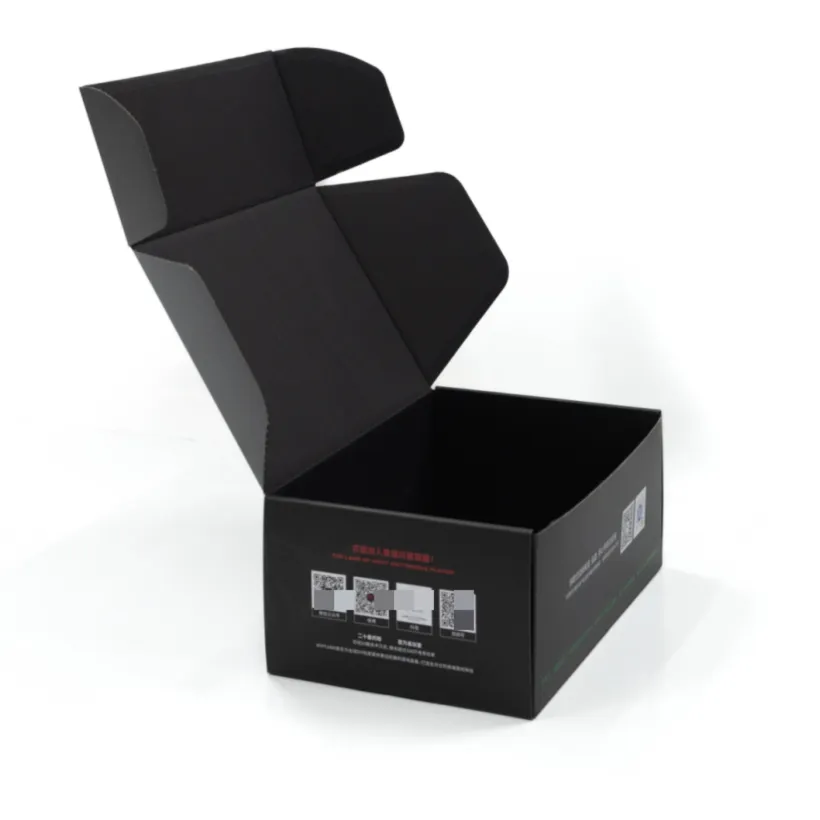
A paper storage box can improve organization and presentation by giving documents a defined home, making contents easier to identify, and keeping work areas visually consistent. Its value is practical: teams can sort materials by purpose, retrieve them with less searching, and present stored paperwork more neatly. A paper storage box works best when its size, labeling, and placement reflect how people actually handle the contents.

Organization is not only about hiding loose paper. A considered paper storage box system helps employees distinguish active files from reference material, keep shared documents orderly, and create a more intentional impression in offices, reception areas, project rooms, or customer-facing environments. The improvements come from matching containers to document flows and maintaining a simple, consistent approach to sorting.
How a paper storage box creates a workable filing system
Make categories visible and consistent
A paper storage box gives each document category a physical boundary. Instead of letting invoices, project drafts, forms, and archived records collect in mixed piles, teams can assign a box to a defined purpose. That clear separation makes routine filing easier because staff know where a document belongs before they put it away. The paper storage box becomes part of the filing logic, not just another container.
Consistency matters more than creating an elaborate taxonomy. Choose category names that reflect familiar work, such as department, project, period, or document status, and repeat the same logic across the storage area. A paper storage box with a visible label can communicate that category at a glance. When boxes follow a shared naming convention, a new employee or temporary team member can understand the arrangement without relying on unwritten instructions.
Support faster retrieval and handoffs
Retrieval improves when the paper storage box is placed where the next handling step occurs. Current working files may belong near a team’s shared desk, while completed records can move to a designated archive shelf. This separation reduces unnecessary handling and helps prevent active documents from disappearing into long-term storage. The aim is not to eliminate every search, but to make the expected location clear and dependable.
Handoffs also become easier when the box itself carries useful information. A label can identify contents, date range, owner, or review status, provided the details remain legible and current. A paper storage box that travels between departments should have a clear destination and an agreed process for returning it. Those small controls help preserve continuity when paperwork moves from intake to review, approval, or retention.
How the box improves presentation in shared spaces
Reduce visual clutter without hiding access
Loose stacks create a sense of unfinished work, especially in reception areas, meeting rooms, and shared production offices. A paper storage box consolidates those stacks while keeping materials available for use. The improvement is strongest when box dimensions fit the shelf or work surface and contents do not bulge above the opening. Neat alignment gives a storage area a deliberate appearance without making everyday access difficult.
Visual order should support function, not conceal a filing problem. If a paper storage box is repeatedly overfilled, the category may be too broad, the review schedule may be unclear, or the container may be undersized. Adjust the arrangement rather than forcing documents into a poor fit. When boxes are grouped by purpose and positioned in a stable sequence, staff can maintain a tidy space even as paperwork changes.
Choose a presentation style suited to the setting
The appearance of a paper storage box affects how stored materials fit into the surrounding environment. In a customer-facing office, coordinated colors and clean surfaces can make visible storage feel considered. In a back-office archive, straightforward labeling and easy stacking may matter more than decorative details. Selecting a style that suits the setting keeps presentation aligned with the practical role of the documents.
A consistent look can also help distinguish groups without depending on color alone. Pair a visual cue with readable wording so that the paper storage box remains identifiable under different lighting and for different users. Avoid adding decoration that competes with key labels or makes boxes harder to inspect. The best presentation choices make the storage area feel orderly while preserving quick recognition and straightforward handling.
How to put the system into daily operation
Match box capacity to document use
Before choosing a paper storage box, consider what it will hold, how frequently staff will access it, and whether documents need to remain flat. A box for frequently consulted forms needs convenient access, while one for older records can prioritize stable placement. Fit should account for paper size, folders, dividers, and the amount of material expected between reviews. These details reduce bending, crowding, and unnecessary transfers.
Plan for realistic volume rather than the busiest imaginable period. If a paper storage box is too large, users may combine unrelated files and weaken category boundaries. If it is too small, overflow will recreate the loose piles the system was meant to address. Leave enough room to add and remove documents comfortably, and define a point at which a full box is reviewed, transferred, or replaced.
Maintain labels, placement, and review routines
A simple maintenance routine keeps a paper storage box useful after the initial setup. Staff should return documents to their assigned category, remove temporary papers when their task ends, and check labels when responsibilities or contents change. A short periodic review can identify outdated material and boxes that no longer match the workflow. This prevents a tidy first impression from gradually turning into a confusing archive.
Placement should remain predictable as teams grow or work areas change. Keep frequently used material within comfortable reach, and position heavier or less-used boxes where handling is safe and practical. If a box is shared, make its ownership and return location clear. For organizations evaluating a paper storage box, consider how its construction and appearance suit the intended environment, alongside capacity and labeling needs.
FAQ
How does a paper storage box improve everyday organization?
A paper storage box creates a defined place for a category of documents, helping staff sort papers consistently and retrieve them more confidently. Clear labels and a stable location make the system easier to follow. The result depends on maintaining sensible categories rather than placing every document into one container.
Can a paper storage box improve the appearance of an office?
Yes. A paper storage box can consolidate loose stacks and create a more orderly look on shelves or shared work surfaces. Choose a style that fits the setting, keep labels legible, and avoid overfilling. These choices improve presentation while keeping documents accessible for normal work.
What should teams consider before selecting a paper storage box?
Consider document dimensions, expected volume, access frequency, storage location, and how the contents will be identified. A paper storage box should fit the workflow as well as the available space. Also decide who maintains its label and when the contents will be reviewed, so the arrangement remains useful over time.