
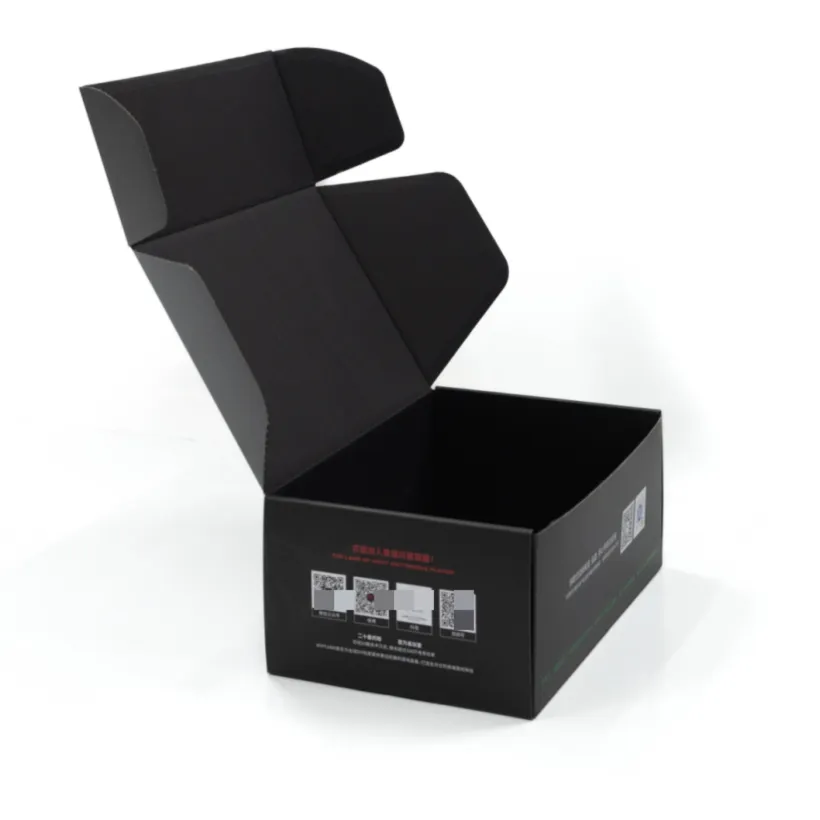
Industries benefit most from a paper storage box when they need to organize, protect, move, or present lightweight goods and documents without relying on permanent plastic containers. The strongest fit is often found where storage needs change frequently, packaging must be easy to label, or materials need a practical route into recycling. A paper storage box can support daily operations as well as short-term storage.

No single sector benefits in exactly the same way. Records-heavy organizations value clear identification and orderly stacking, while retailers and manufacturers may care more about packing speed, product fit, and shipment handling. The right paper storage box depends on what goes inside, how often it moves, the storage environment, and whether the container is intended for repeated use or a single distribution cycle.
Industries with frequent document storage needs
Professional services and administrative offices
Accounting, legal, consulting, and corporate administration teams handle contracts, invoices, project files, and historical records that may need to remain accessible after active work ends. A paper storage box gives staff a straightforward way to group files by client, year, or department. Consistent box sizes also make it easier to use shelves efficiently and locate material without opening every container.
For these workplaces, useful design details include a stable base, writable surfaces, and dimensions suited to folders or archive files. A paper storage box should not be filled beyond a manageable lifting weight, especially when boxes move between offices and off-site storage. Teams can reduce retrieval delays by using a consistent naming convention and placing labels where they remain visible on shelves.
Healthcare, education, and public institutions
Clinics, schools, universities, and public agencies often retain forms, teaching materials, project records, and administrative documents. A paper storage box can separate materials by term, program, or department, helping staff keep shared storage areas orderly. These institutions may also use containers for event supplies, printed resources, and non-sensitive items that circulate between rooms.
Storage requirements must match the contents. A paper storage box is not a substitute for secure cabinets, confidential document procedures, or controlled storage where sensitive records require restricted access. It is most useful for approved materials kept in dry, clean conditions, with clear labels that communicate ownership and retention dates without exposing unnecessary personal information.
Industries moving products through storage and fulfillment
Retail, ecommerce, and distribution
Retail and ecommerce operations handle incoming stock, seasonal merchandise, returns, and items awaiting dispatch. A paper storage box can help organize back-room inventory or group products for picking, provided its dimensions suit the items and shelving system. For shipping, teams need to distinguish a storage container from a transit carton designed to withstand handling and protect goods in delivery.
A paper storage box is especially practical when staff need a container that is easy to mark, replace, or sort by product category. Retailers should check how boxes perform when stacked and whether the contents need extra cushioning or moisture protection. Matching box size to the product can reduce unused space, but fragile items still require packaging chosen for their specific handling risks.
Manufacturing and parts operations
Manufacturers and maintenance departments often need to keep lightweight components, instructions, samples, or work-in-progress materials arranged near production areas. A paper storage box can support visual organization when each container has a defined location and a readable part or process label. It is a sensible option for clean, dry components that do not need specialized barriers.
The material and construction should reflect the operating environment. Dust, oil, humidity, sharp edges, and frequent handling can shorten the useful life of a paper storage box, so teams should assess these conditions before standardizing a format. Heavier parts may need stronger packaging or a different container, while paper boxes can remain useful for documentation, lighter supplies, and staged kits.
Industries using boxes for events, collections, and supplies
Hospitality, events, and creative businesses
Hotels, caterers, event venues, studios, and production teams manage changing inventories of printed materials, decorations, uniforms, samples, and seasonal supplies. A paper storage box helps separate these items between bookings or projects and can be marked for quick setup. Businesses benefit when box sizes align with storage rooms and contents are grouped according to how teams retrieve them.
In these settings, portability and quick identification often matter more than long-term archival protection. A paper storage box can make temporary organization easier, but it should be kept away from wet floors, food spills, and areas with high humidity. For reusable event assets, staff can inspect boxes between uses and replace damaged ones before stacking or transporting them.
Museums, libraries, and specialist collections
Cultural organizations and libraries may use paper containers for general supplies, educational materials, or collection-related items when the materials and storage plan permit it. A paper storage box supports categorization and can make handling workflows more consistent. However, valuable or delicate objects may require conservation-grade materials, stable climate conditions, and advice from a qualified collections professional.
Selection should begin with the item rather than the container. Consider weight, fragility, exposure to light, expected storage duration, and how often the contents will be accessed. A paper storage box can be appropriate for routine materials, but it should not be assumed suitable for every archival or conservation purpose. Documenting box contents and storage locations helps teams maintain oversight.
FAQ
Which industries benefit most from a paper storage box?
Organizations with frequent sorting, storage, or movement needs often benefit most, including offices, schools, retailers, and manufacturers. A paper storage box is most useful when contents are lightweight, conditions are dry, and teams need clear labeling or convenient organization.
Can a paper storage box be used for shipping products?
It can be used when its construction and dimensions are suitable for the shipment, but storage boxes and shipping cartons do not always have the same requirements. Check product weight, handling conditions, stacking, and protection needs before using a paper storage box in transit.
What should businesses check before choosing one?
Review the contents, load, access frequency, storage environment, shelf dimensions, and labeling needs. A paper storage box should be strong enough for its intended use and easy for staff to handle; sensitive, heavy, wet, or fragile contents may call for another packaging solution.