
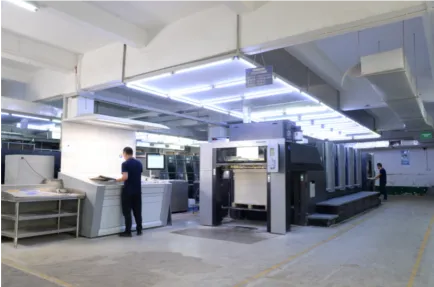
Consistent quality is the foundation of trust between a packaging factory and its customers. When businesses outsource their packaging needs, they depend on the packaging factory to deliver the same level of excellence with every order, regardless of volume or complexity. A professional packaging factory achieves this through a combination of advanced processes, rigorous quality management systems, and a culture of continuous improvement that permeates every department.
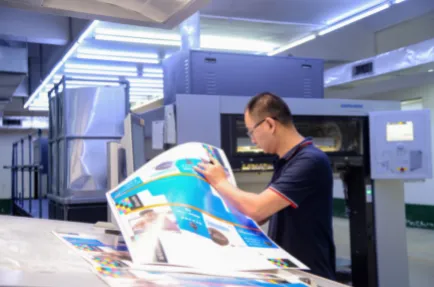
The difference between a standard packaging factory and an advanced one lies in how systematically quality is embedded into every production step. Rather than treating quality as an inspection phase that happens at the end, a best-in-class packaging factory integrates quality into material selection, equipment calibration, operator training, and real-time monitoring. This proactive approach ensures that defects are prevented before they occur, not simply caught and discarded.
Standardized Processes and Documentation
Standard Operating Procedures Across Production Lines
Every advanced packaging factory maintains comprehensive standard operating procedures (SOPs) that define exact specifications for each production stage. These procedures cover everything from raw material receiving to final packaging and shipment. When a packaging factory establishes these detailed SOPs, operators follow identical methods regardless of which shift they work or how long they have been employed. This standardization is critical because human variability is one of the largest sources of inconsistency in manufacturing.
A packaging factory that invests in well-documented SOPs reduces the risk of interpretation errors and ensures that quality standards remain uniform. Each operator receives formal training on these procedures, and compliance is monitored through regular audits and checklists. The packaging factory uses these documents not just as references but as living tools that are updated whenever new equipment is installed, new materials are introduced, or improvements are discovered through experience.
Material Specifications and Supplier Management
Quality begins with raw materials, and a rigorous packaging factory establishes strict material specifications for all incoming supplies. The packaging factory does not simply accept whatever materials are delivered but instead conducts incoming inspections to verify that paper, ink, adhesives, and other components meet predefined standards. This is where many packaging factory operations distinguish themselves from competitors who cut corners on material vetting.
A professional packaging factory maintains long-term relationships with approved suppliers and regularly audits their quality systems. The packaging factory may conduct periodic testing of supplier materials in-house laboratories to ensure consistency lot-to-lot. This collaborative approach means the packaging factory can provide customers with confidence that every component is tested and verified before it enters production.
Advanced Equipment Calibration and Maintenance
Preventive Maintenance Schedules
Modern packaging factory equipment is sophisticated, and precision is essential for producing uniform results. A professional packaging factory implements rigorous preventive maintenance schedules that far exceed manufacturer recommendations. Equipment calibration is performed regularly using certified instruments, and all machinery maintains calibration logs that the packaging factory reviews to detect trends that might indicate wear or drift.
When a packaging factory allows equipment to drift out of calibration, the results are subtle at first but become increasingly visible over time. Colors shift slightly, dimensions creep beyond tolerance, and registration becomes less precise. By maintaining strict calibration protocols, the packaging factory prevents these issues before customer complaints arrive. The packaging factory also invests in redundant measurement systems so that if one sensor or gauge fails, backup systems catch the problem immediately.
Equipment Redundancy and Contingency
Top-tier packaging factory operators understand that equipment failures are inevitable, so they design their production capacity with redundancy in mind. A packaging factory that manufactures high-volume orders on a single production line creates risk, because any malfunction halts output and forces rework or missed deadlines. Advanced packaging factory facilities strategically distribute production across multiple machines so that if one line experiences an issue, the packaging factory can shift work to alternate equipment without disrupting customer delivery schedules.
This redundancy also allows the packaging factory to perform maintenance without shutting down entirely. While one production line undergoes deep cleaning, calibration, or component replacement, other packaging factory lines continue operating at full capacity. Customers never experience delays because the packaging factory has built reliability into its operational structure.
Real-Time Monitoring and Testing Protocols
In-Process Quality Checks
A packaging factory that waits until the end of a production run to inspect finished goods is playing quality defense rather than offense. An advanced packaging factory implements continuous in-process monitoring where samples are pulled at regular intervals and tested against established specifications. The packaging factory uses automated vision systems, measurement devices, and manual inspections to verify dimensions, colors, print registration, fold quality, and structural integrity.
Modern packaging factory quality teams use statistical process control (SPC) techniques to track trends in the data. When measurements begin to drift toward the edge of acceptable tolerance ranges, the packaging factory makes minor equipment adjustments before parts actually go out of spec. This predictive approach allows the packaging factory to maintain quality levels that exceed customer expectations consistently.
Final Inspection and Certification
Before shipment, every packaging factory conducts final inspections that include sample testing and full-unit verification. The packaging factory verifies that printed surfaces are defect-free, structural integrity is sound, and all components are correctly assembled. Additionally, a quality-focused packaging factory maintains detailed records of every batch produced, including dates, materials used, equipment settings, and inspection results.
This documentation allows the packaging factory to trace any issue back to its source rapidly. If a customer reports a defect, the packaging factory can identify exactly which batch was affected, which raw materials were involved, and which operator and equipment were responsible. This traceability is a hallmark of a mature packaging factory that takes accountability seriously.
Workforce Training and Quality Culture
Operator Certification Programs
People are the backbone of any packaging factory, and quality is not achieved through procedures alone. An advanced packaging factory invests heavily in operator training and certification programs that ensure every team member understands not just what to do but why quality matters. The packaging factory trains operators on equipment operation, quality standards, troubleshooting, and continuous improvement principles.
Regular refresher training keeps the packaging factory workforce aligned with current procedures and new techniques. A professional packaging factory also recognizes and rewards operators who identify problems early or suggest improvements. When the packaging factory empowers its team to take ownership of quality, operators become the first line of defense against defects rather than simply following instructions passively.
Cross-Functional Quality Teams
The most effective packaging factory quality systems involve cross-functional teams that include production staff, quality specialists, engineering, and management. These teams meet regularly to review performance data, investigate defects, and implement corrective actions. The packaging factory that treats quality as a shared responsibility rather than the exclusive domain of a quality department achieves better results because everyone has skin in the game.
A progressive packaging factory also involves customers in this dialogue, inviting feedback and understanding their specific requirements. When the packaging factory truly understands what success looks like from the customer's perspective, every team member can align their efforts toward that goal.
FAQ
What makes a packaging factory different from a standard manufacturer?
An advanced packaging factory combines specialized equipment, rigorous quality systems, material expertise, and trained personnel focused entirely on packaging production. A packaging factory invests in technology and processes that general manufacturers do not, enabling consistency, speed, and customization that broader manufacturers cannot match. The packaging factory's entire infrastructure is optimized for packaging applications specifically.
How often should a packaging factory perform equipment calibration?
A packaging factory should calibrate critical measurement and production equipment at least weekly, with some systems checked daily. The exact frequency depends on the equipment type, production volume, and the tightness of required tolerances. A packaging factory also performs full calibration verifications monthly using certified external instruments to ensure internal measurements remain accurate.
How does a packaging factory handle customer complaints about quality?
When quality issues arise, a professional packaging factory initiates a formal investigation process that includes root cause analysis, containment of potentially affected inventory, and corrective action implementation. The packaging factory documents all findings and communicates transparently with the customer about what happened, why, and what changes prevent recurrence. This accountability approach strengthens customer relationships and builds long-term trust.