eco friendly packaging boxes
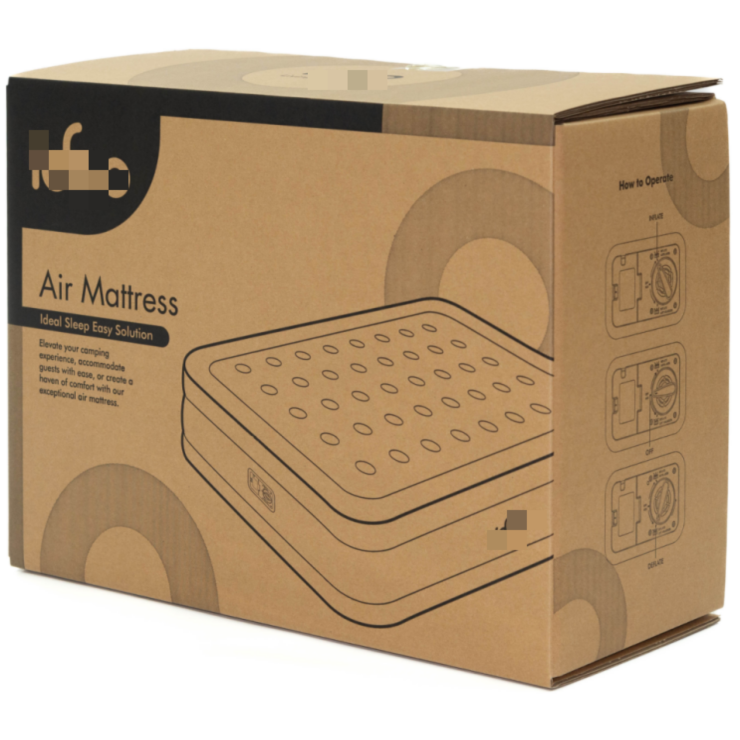
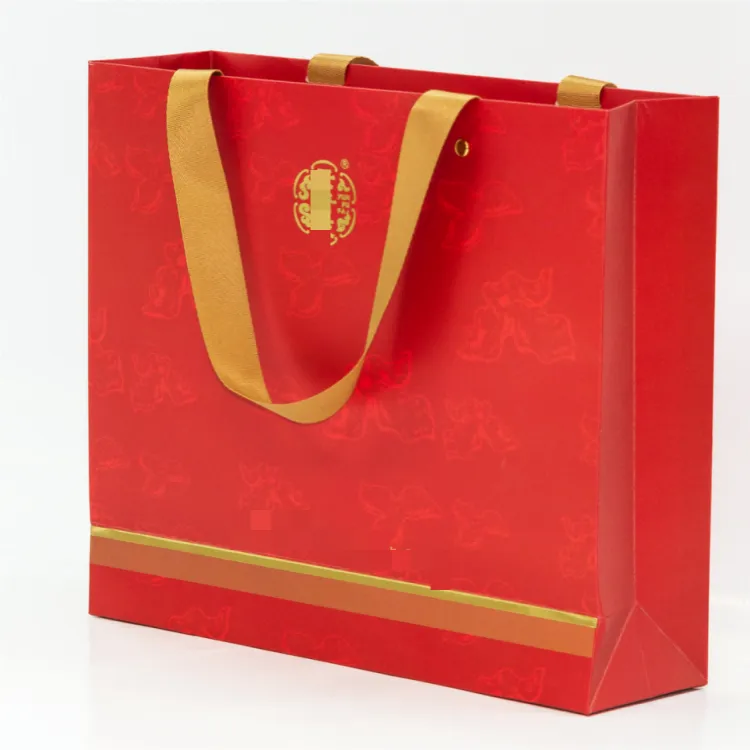
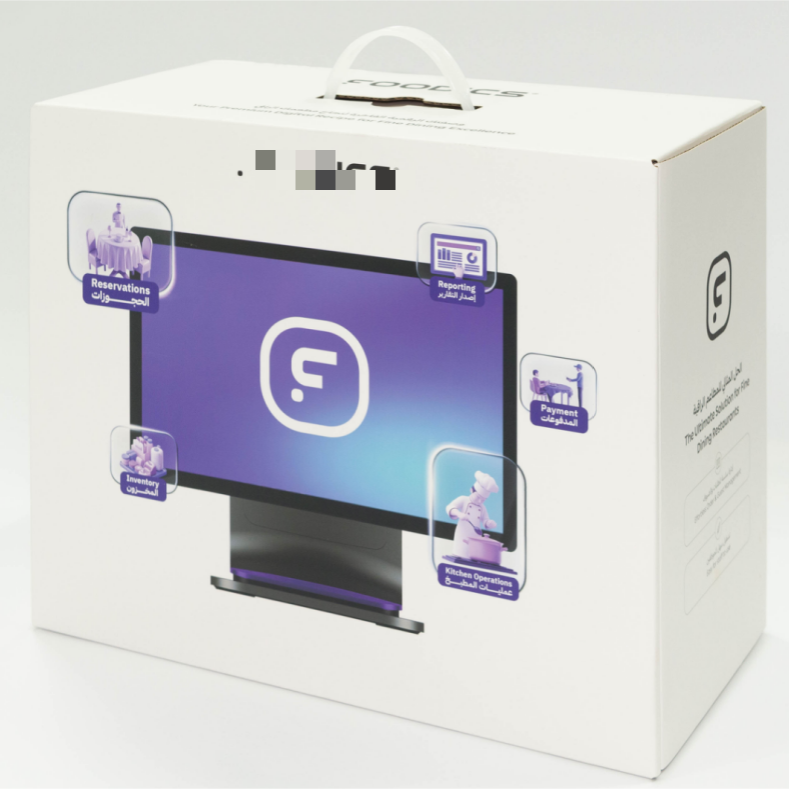
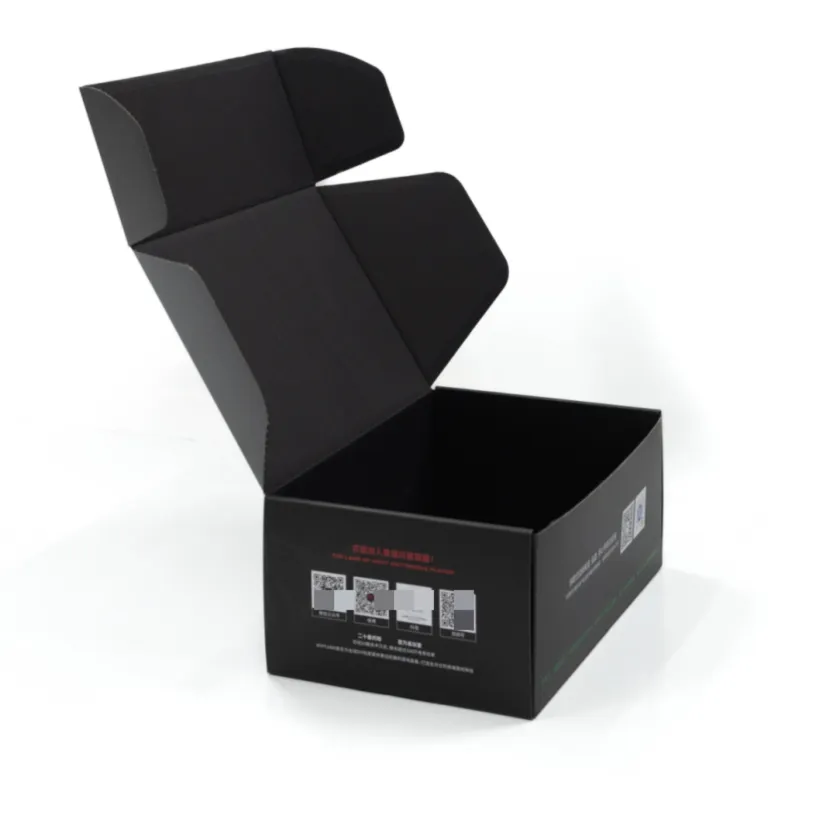
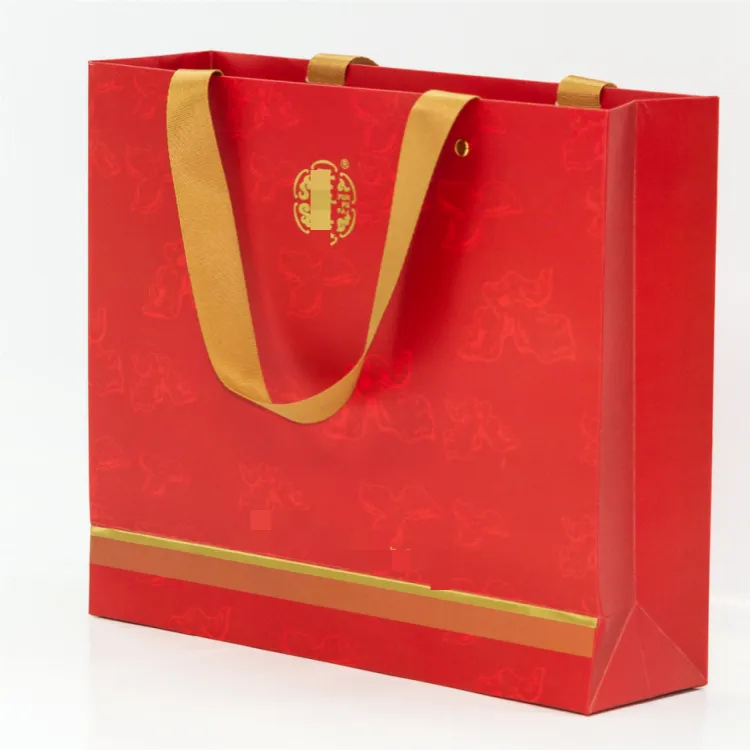
Eco friendly packaging boxes represent a revolutionary approach to modern packaging solutions, combining environmental consciousness with practical functionality. These innovative containers are manufactured using sustainable materials such as recycled cardboard, biodegradable plastics, post-consumer waste paper, and renewable plant-based fibers. The primary function of eco friendly packaging boxes centers on providing secure product protection while minimizing environmental impact throughout their lifecycle. These boxes serve multiple purposes including shipping protection, retail presentation, storage solutions, and brand marketing vehicles. The technological features of eco friendly packaging boxes incorporate advanced manufacturing processes that reduce carbon footprints during production. Many utilize water-based inks for printing, eliminating harmful chemical solvents traditionally used in conventional packaging. The structural design often employs interlocking mechanisms that eliminate the need for additional adhesives or plastic tapes, further enhancing their environmental credentials. Modern eco friendly packaging boxes feature moisture-resistant coatings derived from plant-based sources, providing adequate protection without compromising biodegradability. Applications for eco friendly packaging boxes span across diverse industries including e-commerce, food service, cosmetics, electronics, and retail sectors. Online retailers increasingly adopt these sustainable containers for shipping products, while restaurants utilize them for takeout services. The cosmetic industry leverages eco friendly packaging boxes to align with consumer preferences for sustainable beauty products. Electronics manufacturers implement these solutions to demonstrate corporate environmental responsibility. The versatility of eco friendly packaging boxes extends to custom sizing options, allowing businesses to optimize material usage while ensuring perfect product fit. Their lightweight nature reduces shipping costs and carbon emissions during transportation, making them economically attractive for businesses seeking sustainable alternatives to traditional packaging methods.