paper box printing
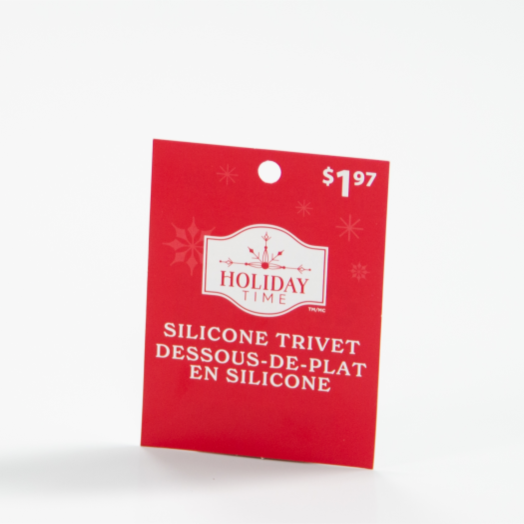
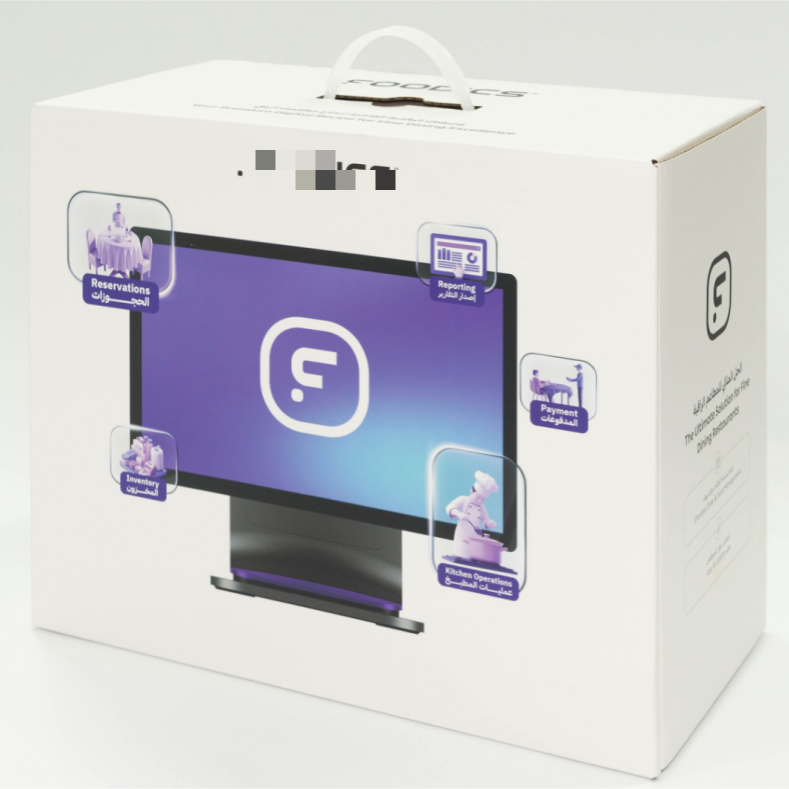
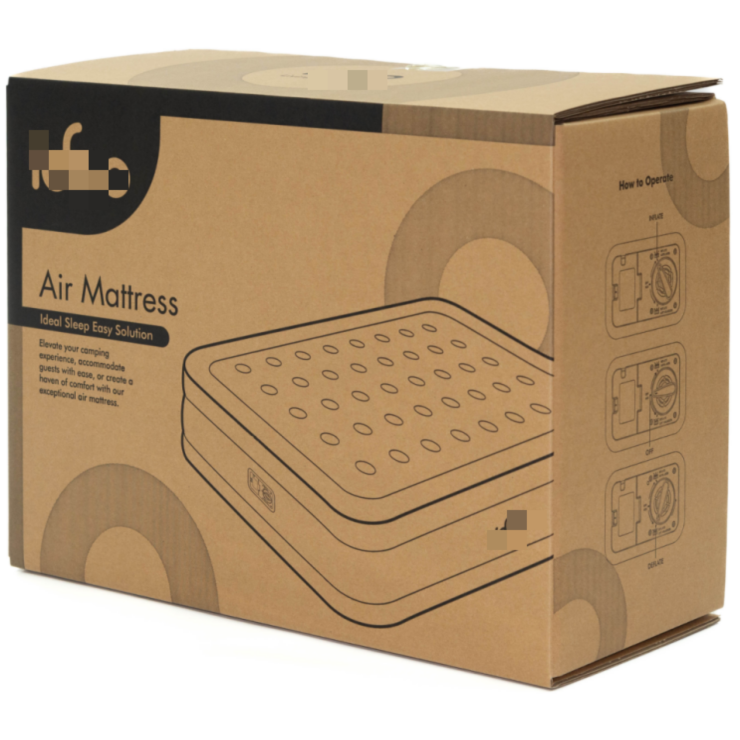
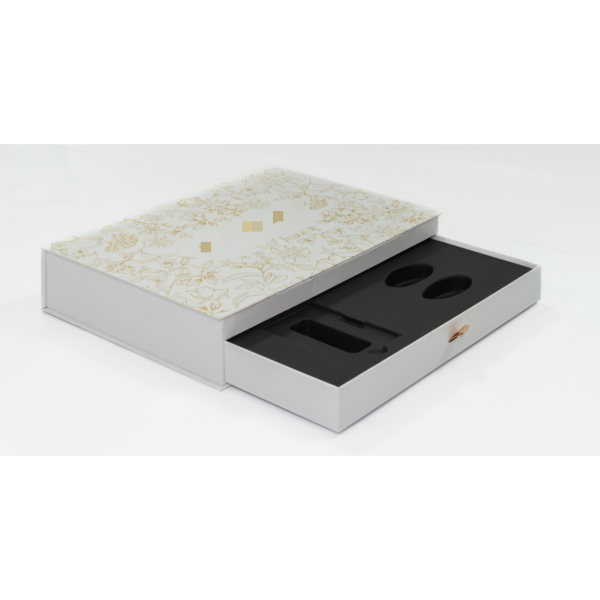
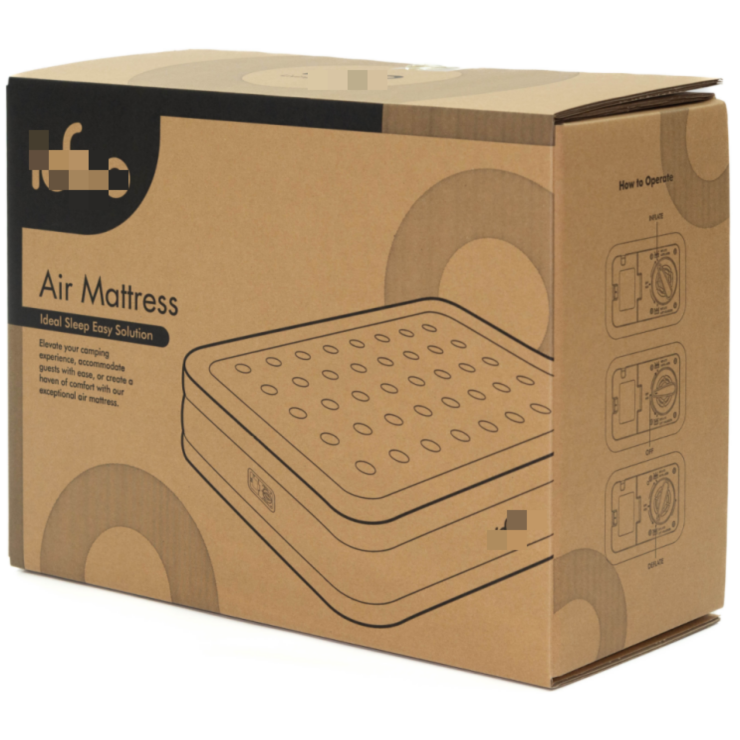
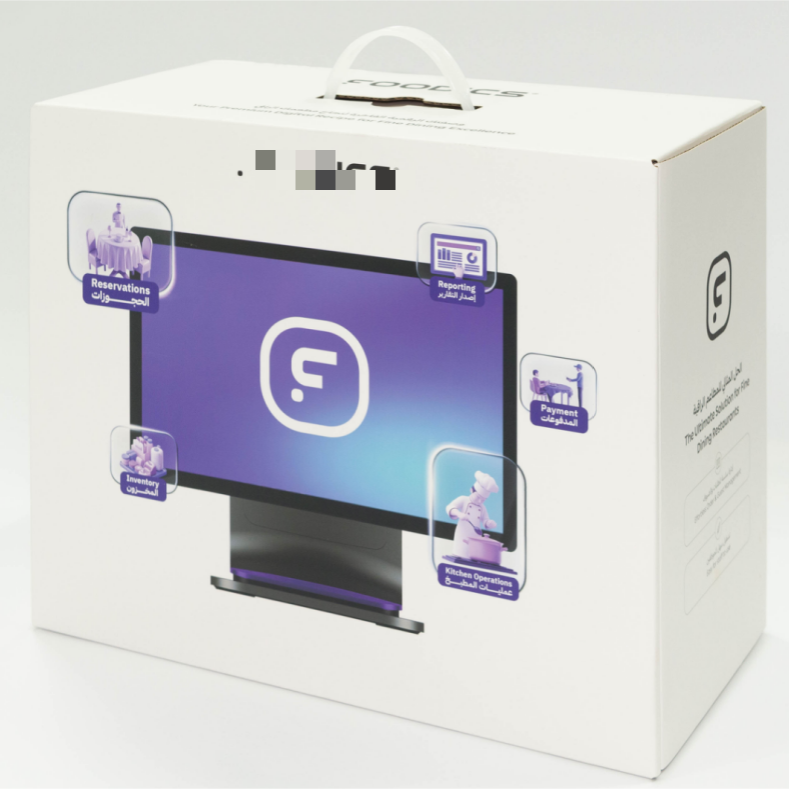
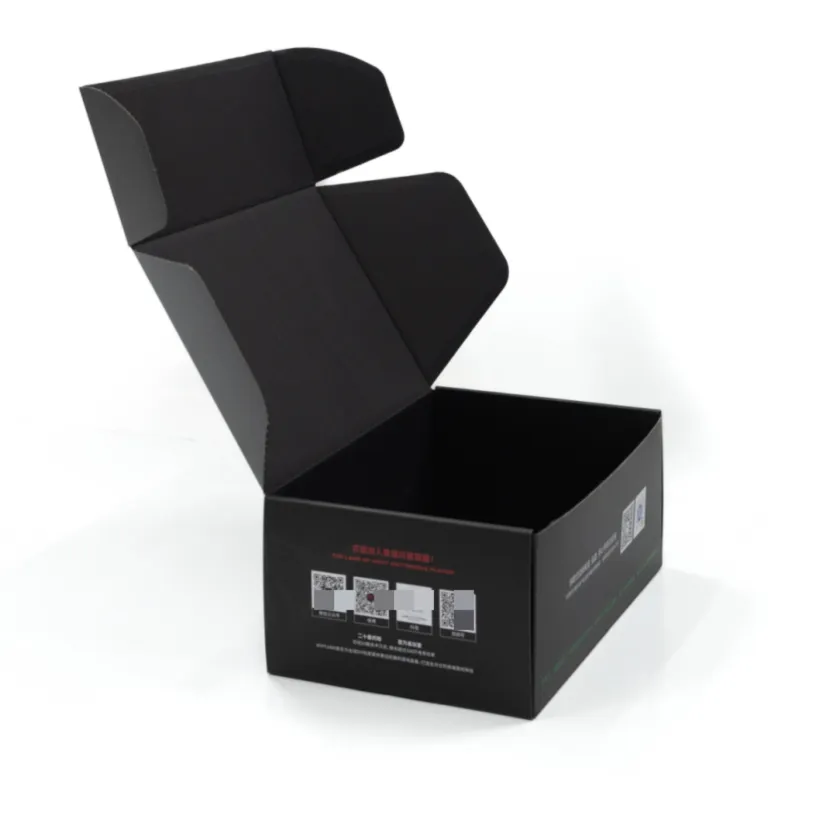
Paper box printing represents a sophisticated manufacturing process that transforms plain cardboard materials into visually stunning, functional packaging solutions. This comprehensive printing method combines advanced digital and offset printing technologies to produce high-quality graphics, text, and branding elements directly onto paper box surfaces. The process encompasses various stages including design preparation, color separation, plate creation, ink application, and finishing treatments that result in professional-grade packaging products. Modern paper box printing utilizes state-of-the-art equipment capable of handling multiple color applications, specialty inks, and complex design requirements while maintaining consistent quality across large production runs. The technological framework supporting paper box printing includes computer-to-plate systems, automated color management, and precision registration controls that ensure accurate reproduction of brand colors and design elements. These systems enable manufacturers to achieve exceptional print quality with sharp text definition, vibrant color saturation, and precise image reproduction that meets demanding commercial standards. Paper box printing serves numerous industries including food and beverage, cosmetics, pharmaceuticals, electronics, retail merchandise, and luxury goods sectors. Each application requires specific considerations regarding material selection, ink compatibility, food safety regulations, and environmental compliance standards. The versatility of paper box printing allows for customization options such as embossing, debossing, foil stamping, spot UV coating, and matte or gloss finishing treatments that enhance visual appeal and tactile experience. Furthermore, paper box printing accommodates various box styles including folding cartons, rigid boxes, display packaging, and specialized protective containers designed for specific product requirements. The integration of sustainable practices within paper box printing processes has become increasingly important, with manufacturers adopting eco-friendly inks, recyclable substrates, and energy-efficient production methods that reduce environmental impact while maintaining superior print quality and durability standards.