
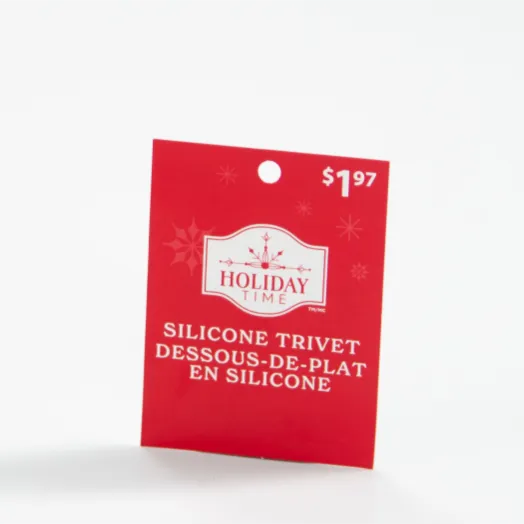
In both retail and B2B environments, hangtags serve a purpose far beyond simple price labeling. They are a direct extension of brand identity, a vehicle for product information, and a tactile touchpoint that shapes how buyers perceive value before they even open a package. Whether attached to a garment on a boutique rack or bundled with industrial components shipped to a procurement team, hangtags communicate professionalism, traceability, and intent. Understanding how they can be customized for these two distinct contexts is essential for any business that takes its product presentation seriously.
Customization of hangtags is not a one-size-fits-all process. Retail applications demand visual appeal, brand storytelling, and consumer-facing clarity, while B2B applications prioritize data density, durability, compliance, and supply chain functionality. The good news is that modern production capabilities allow businesses to tailor every element of a hangtag — from material and shape to print finish and attachment method — to meet the precise demands of either market. This guide walks through the key customization dimensions and how they apply across both retail and B2B use cases.
Understanding the Role of Hangtags in Retail Versus B2B Contexts
Retail Hangtags as Brand and Consumer Communication Tools
In retail, hangtags are often the first physical interaction a consumer has with a product. They carry the weight of brand storytelling, pricing transparency, and material or care information. A well-designed retail hangtag reinforces the perceived quality of the product it accompanies. Luxury goods brands, for instance, invest heavily in thick card stock, embossed logos, and specialty finishes because the hangtag itself signals premium positioning before the product is even examined closely.
Retail hangtags also serve a functional role at the point of sale. Barcodes, QR codes, and SKU numbers must be legible and scannable. Size and color information must be immediately visible to both shoppers and store staff. The challenge in retail customization is balancing aesthetic appeal with operational utility — a hangtag that looks beautiful but cannot be scanned at checkout creates friction in the retail workflow.
Beyond the store floor, retail hangtags increasingly carry sustainability messaging, origin stories, and calls to action such as social media handles or loyalty program prompts. These elements require thoughtful layout design and sufficient surface area, which directly influences decisions about hangtag size, shape, and whether a multi-panel or folded format is appropriate.
B2B Hangtags as Operational and Compliance Documents
In B2B contexts, hangtags function more like operational documents than marketing materials. They accompany products through warehouses, distribution centers, and manufacturing lines, where they must survive handling, humidity, and sometimes chemical exposure. A B2B hangtag might carry lot numbers, batch codes, safety classifications, regulatory compliance marks, or routing instructions — information that is critical for inventory management and traceability.
For procurement teams and warehouse managers, the value of a well-customized hangtag lies in its ability to reduce errors and speed up identification. When a tag is clearly printed, durably constructed, and consistently formatted across a product line, it reduces the time staff spend verifying items and minimizes the risk of mislabeling or misrouting. This operational efficiency has a direct impact on cost and accuracy throughout the supply chain.
B2B hangtags may also need to meet industry-specific standards. In sectors such as aerospace, automotive, or pharmaceuticals, labeling requirements are often governed by regulatory frameworks that dictate minimum font sizes, required data fields, and material specifications. Customization in these contexts is not just a branding exercise — it is a compliance necessity.
Key Customization Dimensions for Hangtags
Material Selection and Its Impact on Performance
The material of a hangtag is one of the most consequential customization decisions a business can make. For retail applications, coated card stock in weights ranging from 300gsm to 450gsm is a common choice. It provides a smooth surface for high-resolution printing, accepts specialty finishes well, and conveys a sense of quality that aligns with consumer expectations. Kraft paper is another popular retail option, particularly for brands positioning themselves around natural or sustainable values.
For B2B applications, material requirements shift toward durability and resistance. Synthetic materials such as polypropylene or polyester-based tag stock are frequently used because they resist tearing, moisture, and temperature fluctuations. These materials ensure that hangtags remain legible and intact through the full lifecycle of a product's journey from manufacturer to end user. In environments where chemical exposure is a factor, laminated or coated synthetic tags provide an additional layer of protection.
Recycled and FSC-certified paper options are increasingly available for businesses that need to meet sustainability commitments in either retail or B2B contexts. The material choice ultimately reflects the environment the hangtag will operate in, the information it needs to carry, and the brand values it must communicate.
Shape, Size, and Format Options
Standard rectangular hangtags remain the most common format, but die-cut shapes offer significant differentiation opportunities in retail. A hangtag shaped to echo a brand's logo or product silhouette creates a memorable unboxing or browsing experience. Rounded corners, arch tops, and custom contours are all achievable with modern die-cutting equipment and add a layer of visual sophistication without dramatically increasing production costs.
Size decisions are driven by information density requirements. A retail hangtag for a minimalist fashion brand might be deliberately small and sparse, while a hangtag for a technical outdoor product might need to be larger to accommodate care instructions, material certifications, and multiple language translations. In B2B settings, size is typically determined by the volume of data that must be displayed clearly, including barcodes that require a minimum quiet zone to scan reliably.
Folded or multi-panel hangtags offer a practical solution when information volume is high but physical footprint must remain compact. A folded tag can carry brand imagery on the front panel, detailed product specifications on the interior, and compliance or traceability data on the back — all within a format that attaches cleanly to a product without overwhelming it visually.
Print Techniques and Finishing Options That Elevate Hangtags
Printing Methods Suited to Different Applications
Digital printing is the most flexible option for hangtags that require short runs, variable data, or rapid turnaround. It supports full-color output with high resolution and is well-suited to retail applications where design changes are frequent or where personalization — such as individual product names or limited-edition numbering — adds value. Digital printing also enables cost-effective prototyping before committing to larger production volumes.
Offset printing delivers superior color consistency and is the preferred method for high-volume retail hangtag production where brand color accuracy is non-negotiable. Pantone color matching ensures that the specific shade of a brand's identity is reproduced faithfully across thousands of units. For B2B applications with large order volumes and standardized designs, offset printing offers the best cost-per-unit economics.
Specialty printing techniques such as foil stamping, embossing, debossing, and spot UV coating are primarily used in retail contexts to elevate the perceived value of hangtags. A gold foil logo on a dark card stock hangtag communicates luxury instantly. Embossed text adds a tactile dimension that reinforces quality. These techniques are less common in B2B settings but may be used for premium product lines or executive gift packaging where brand impression still matters.
Finishing Treatments That Protect and Enhance
Lamination is one of the most practical finishing treatments for hangtags in both retail and B2B applications. Matte lamination gives a sophisticated, non-reflective surface that photographs well and resists fingerprints. Gloss lamination enhances color vibrancy and provides a protective layer against scuffing and moisture. For B2B hangtags that will be handled repeatedly in warehouse or logistics environments, lamination significantly extends the readable lifespan of the tag.
Hole punching and eyelet reinforcement are standard finishing steps that determine how a hangtag attaches to a product. The placement and size of the attachment hole must be considered during the design phase to ensure it does not interfere with printed content. Metal eyelets add durability to the attachment point and are particularly useful for heavier tags or those that will be attached and reattached multiple times during a product's handling cycle.
String, ribbon, wire, and plastic fasteners are all available as attachment options for hangtags, and the choice of fastener contributes to the overall brand impression. A natural cotton string reinforces an organic or artisanal brand narrative. A plastic loop fastener prioritizes speed and security in a high-volume B2B shipping environment. Matching the fastener to the application context is a detail that professional buyers and retail merchandisers notice.
Variable Data and Technology Integration in Modern Hangtags
Barcodes, QR Codes, and Serialization
The integration of scannable data into hangtags has become a standard expectation in both retail and B2B environments. Linear barcodes remain the dominant format for point-of-sale scanning in retail, while 2D barcodes such as QR codes and Data Matrix codes are increasingly used to carry richer information — product origin, care instructions, warranty registration links, or authentication verification. A well-designed hangtag allocates sufficient space and contrast for these codes to scan reliably under varied lighting conditions.
In B2B supply chains, serialized hangtags with unique identifiers enable granular traceability. Each unit or batch can be tracked individually from production through delivery, supporting quality control, recall management, and inventory auditing. Variable data printing technology makes it possible to produce large volumes of hangtags where each tag carries a unique serial number, barcode, or data string without interrupting the production workflow.
RFID-enabled hangtags represent the next level of technology integration, particularly relevant for high-value retail inventory management and B2B asset tracking. An RFID chip embedded in a hangtag allows products to be scanned without line-of-sight contact, enabling bulk inventory counts and real-time location tracking. While the cost per tag is higher than standard printed options, the operational efficiency gains in large-scale retail or logistics operations can justify the investment.
Multi-Language and Compliance Content
For businesses operating across multiple markets, hangtags must often carry content in two or more languages. This requirement affects layout design significantly, as the same information must be presented clearly in each language without creating a cluttered or illegible tag. Folded formats are particularly useful here, allowing different language versions to occupy separate panels while maintaining a clean exterior presentation.
Regulatory compliance content — such as fiber composition for textiles, safety warnings for tools or chemicals, or CE marking for products sold in European markets — must be incorporated into hangtag designs with precision. Font sizes, symbol placements, and required data fields are often mandated by law, and non-compliance can result in product recalls or market access restrictions. Working with a supplier experienced in compliance labeling ensures that customized hangtags meet all applicable requirements from the outset.
Businesses sourcing hangtags for international distribution should confirm that their supplier can accommodate multi-language layouts and is familiar with the labeling regulations of their target markets. This due diligence at the customization stage prevents costly redesigns and production delays later in the product launch cycle.
Practical Considerations When Ordering Custom Hangtags
Minimum Order Quantities and Lead Times
One of the most practical questions businesses face when customizing hangtags is how to balance order volume against budget and storage constraints. Digital printing typically supports lower minimum order quantities, making it accessible for small businesses, seasonal collections, or product lines that change frequently. Offset printing and specialty finishing processes generally require higher minimums to achieve cost efficiency, which is more appropriate for established product lines with predictable volume.
Lead times for custom hangtags vary depending on the complexity of the design, the finishing processes involved, and the production capacity of the supplier. Standard digital print runs can often be completed within a few business days, while offset-printed tags with foil stamping or embossing may require two to four weeks from artwork approval to delivery. Building lead time into product launch planning prevents the common scenario where packaging is ready but hangtags are still in production.
For B2B buyers managing ongoing supply chain needs, establishing a blanket order arrangement with a reliable hangtag supplier can smooth out lead time variability and ensure consistent quality across production batches. This approach also simplifies procurement administration and can yield better pricing through volume commitment.
Artwork Preparation and Proofing
Submitting print-ready artwork is one of the most important steps in the hangtag customization process. Files should be provided in vector format where possible, with all fonts converted to outlines and all images embedded at a minimum resolution of 300 DPI. Color profiles should be set to CMYK for print output, and bleed areas should be included according to the supplier's specifications to prevent white edges appearing on the finished tag.
Requesting a physical proof before approving a full production run is strongly recommended for any new hangtag design, particularly when specialty finishes are involved. A digital proof can confirm layout and color intent, but only a physical sample reveals how foil, embossing, or lamination actually looks and feels on the chosen substrate. This step adds a small amount of time to the process but eliminates the risk of receiving a full order that does not meet expectations.
For B2B applications where hangtags carry compliance-critical information, a proofing review by the relevant quality or regulatory team should be part of the approval workflow. Catching an error in a barcode or a missing compliance symbol at the proof stage is far less costly than discovering it after production.
FAQ
What materials are most commonly used for custom hangtags in retail applications?
Coated card stock in weights between 300gsm and 450gsm is the most widely used material for retail hangtags because it supports high-quality printing and accepts specialty finishes such as foil stamping and lamination. Kraft paper is a popular alternative for brands with a natural or sustainable positioning. The material choice should reflect both the brand aesthetic and the physical environment the hangtag will be used in.
Can hangtags be customized to meet regulatory compliance requirements for B2B markets?
Yes. Hangtags can be fully customized to incorporate mandatory compliance content such as fiber composition labels, safety warnings, CE marks, and other regulatory data. Working with a supplier experienced in compliance labeling is important to ensure that font sizes, symbol placements, and required data fields meet the applicable standards for each target market. Multi-language layouts can also be accommodated through folded or multi-panel formats.
What is the minimum order quantity for custom hangtags?
Minimum order quantities vary by production method. Digital printing typically supports smaller runs, sometimes as low as a few hundred units, making it suitable for small businesses or frequently changing product lines. Offset printing and specialty finishing processes generally require higher minimums to be cost-effective. Discussing your volume requirements with a supplier early in the process helps identify the most appropriate production method for your budget and timeline.
How do QR codes and barcodes affect hangtag design?
Integrating QR codes or barcodes into hangtag designs requires careful attention to size, contrast, and quiet zone requirements. A barcode that is too small, printed on a low-contrast background, or placed too close to the edge of the tag may fail to scan reliably. During the design phase, it is important to allocate sufficient space for the code and to test scannability on a physical proof before approving full production. Variable data printing can also be used to generate unique codes for each individual hangtag in a serialized production run.