
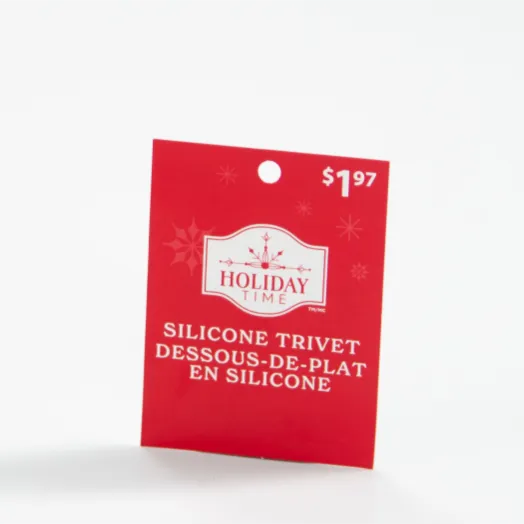
In retail environments where first impressions are made in seconds, the smallest details often carry the greatest weight. hangtags are one of those details — compact, visible, and strategically positioned to communicate value before a customer even picks up a product. Whether attached to apparel, accessories, home goods, or specialty items, hangtags serve as a silent salesperson at the point of sale, delivering essential information and reinforcing brand identity at the exact moment a purchasing decision is being made.
Understanding how hangtags improve product presentation at point of sale requires looking beyond their basic function as price carriers. Modern hangtags are designed to do far more — they shape perception, guide purchase behavior, and create a cohesive brand experience that extends from the shelf to the customer's hands. This article explores the specific ways hangtags elevate product presentation and why investing in well-designed hangtags is a strategic decision for any brand competing in a physical retail space.
The Role of Hangtags in Point-of-Sale Communication
Delivering Key Product Information at a Glance
At the point of sale, customers are processing multiple stimuli simultaneously. Hangtags cut through that noise by presenting the most critical product information in a compact, readable format. Size, material composition, care instructions, pricing, and product origin can all be communicated through a well-structured hangtag without requiring the customer to search for information elsewhere.
This immediacy of information reduces friction in the buying process. When a customer can quickly understand what a product is, what it is made of, and what it costs, they are more likely to engage with it seriously. Hangtags that are cluttered, poorly printed, or difficult to read create the opposite effect — they introduce doubt and slow down decision-making at a critical moment.
For B2B buyers and retail merchandisers, the informational clarity of hangtags directly affects how products are perceived on the floor. A product with a clean, professional hangtag signals quality and attention to detail, while a product with a generic or poorly designed tag can undermine even the best packaging efforts.
Reinforcing Brand Identity Through Visual Design
Hangtags are one of the most visible brand touchpoints in a retail setting. Their design — including typography, color palette, logo placement, and material choice — communicates brand values before a single word is read. A luxury brand using thick, textured card stock with embossed lettering sends a very different message than a brand using thin, glossy paper with standard printing.
Consistency between hangtag design and overall brand identity is essential. When hangtags align visually with packaging, labeling, and in-store displays, they contribute to a unified brand experience that builds recognition and trust. This consistency is particularly important in multi-product retail environments where a brand's items may be displayed alongside competitors.
Hangtags also offer an opportunity to express brand personality. A sustainable brand might use recycled kraft paper with minimal ink. A premium fashion label might opt for ribbon-tied tags with metallic foil accents. These choices are not decorative — they are strategic signals that shape how customers categorize and value the product.
How Hangtags Influence Purchase Decisions at the Shelf
Creating a Perceived Value Advantage
Perceived value is one of the most powerful drivers of purchase behavior, and hangtags play a direct role in shaping it. A product with a thoughtfully designed hangtag appears more premium, more considered, and more trustworthy than one without. This perception gap can justify higher price points and differentiate a product in a crowded category.
Research in retail psychology consistently shows that packaging and labeling cues influence quality judgments. Hangtags, as an extension of product presentation, benefit from the same effect. When customers see a hangtag that uses quality materials, clear typography, and purposeful design, they transfer those quality signals to the product itself.
For brands operating in competitive retail environments, this perceived value advantage is not trivial. It can be the difference between a product that moves quickly and one that lingers on the shelf. Hangtags are a relatively low-cost investment that can yield significant returns in terms of conversion rate and average selling price.
Communicating Unique Selling Points Efficiently
Point-of-sale environments rarely allow for lengthy product explanations. Hangtags solve this problem by condensing a product's unique selling points into a format that can be absorbed in seconds. Whether the differentiator is a proprietary material, a sustainability certification, a limited-edition status, or a specific functional benefit, hangtags provide the space to communicate it clearly.
Effective hangtags prioritize hierarchy — the most important message appears first and largest, with supporting details following in a logical sequence. This structure respects the customer's limited attention while ensuring that the key value proposition is never missed. Brands that master this hierarchy use hangtags as a precision communication tool rather than a generic label.
In B2B contexts, where buyers are evaluating products for resale or distribution, hangtags that clearly articulate product benefits also serve as a merchandising asset. A well-designed hangtag reduces the need for additional point-of-sale materials and makes the product easier to sell through to end consumers.
Material and Format Choices That Enhance Presentation
Selecting the Right Material for the Right Product
The physical material of hangtags has a direct impact on how they are perceived and how they perform in a retail environment. Card stock weight, surface finish, and texture all contribute to the tactile and visual impression a hangtag makes. Heavier card stock conveys durability and quality, while lighter materials may suggest economy or disposability.
Surface finishes such as matte lamination, gloss coating, soft-touch lamination, or uncoated natural textures each carry different associations. Matte finishes tend to read as sophisticated and modern. Gloss finishes can enhance color vibrancy and are often used for products targeting younger demographics. Soft-touch finishes create a premium tactile experience that reinforces luxury positioning.
For products in outdoor, industrial, or high-humidity environments, material durability becomes a functional requirement. Hangtags made from synthetic materials or treated paper can withstand conditions that would cause standard card stock to deteriorate, ensuring that the product presentation remains intact throughout the retail lifecycle.
Format Variations That Serve Different Merchandising Needs
Hangtags are not one-size-fits-all. The format — including shape, size, attachment method, and number of panels — should be chosen based on the product type, the retail environment, and the amount of information that needs to be communicated. A single-panel hangtag works well for simple products with minimal information needs. A multi-panel or folded hangtag provides more space for storytelling, certifications, or multilingual content.
Shape is another variable that can enhance presentation. Die-cut hangtags in custom shapes can reinforce brand identity and create visual interest on the shelf. A hangtag shaped to echo a product's silhouette or a brand's logo creates a memorable visual connection that standard rectangular tags cannot achieve.
Attachment methods also matter. String, ribbon, wire, or plastic fasteners each communicate different things about a product's positioning. Ribbon attachments suggest premium quality. Jute or natural fiber strings align with eco-conscious branding. The attachment is part of the overall presentation and should be chosen with the same intentionality as the tag itself.
Hangtags as a Merchandising Strategy Beyond the Tag Itself
Supporting Retail Staff and Self-Service Environments
In self-service retail environments, hangtags function as a substitute for sales staff. They must answer the questions a customer would otherwise ask a store associate — what is this product, why should I buy it, and is it right for me. Hangtags that are designed with this role in mind reduce the burden on retail staff and improve the customer experience in environments where assistance is limited.
For brands selling through third-party retailers, this self-service function is especially important. The brand has no direct control over how staff present or explain the product, making the hangtag one of the few brand-controlled communication tools available at the point of sale. A well-designed hangtag ensures that the brand's message is delivered consistently regardless of the retail context.
Hangtags can also include QR codes or short URLs that direct customers to additional product information, video demonstrations, or brand storytelling content. This bridges the gap between physical retail and digital engagement, extending the hangtag's communication function beyond what can fit on the physical tag itself.
Enhancing Visual Merchandising and Display Cohesion
When multiple products from the same brand are displayed together, hangtags contribute to the visual cohesion of the display. Consistent hangtag design across a product range creates a unified shelf presence that is immediately recognizable and professionally presented. This cohesion signals organizational competence and brand maturity to both consumers and retail buyers.
Hangtags can also be used strategically to draw attention to specific products within a display. A slightly larger tag, a different color, or a special designation such as a new arrival or bestseller callout can guide customer attention without requiring additional signage. This kind of integrated merchandising approach makes hangtags an active participant in the visual strategy of the retail space.
For seasonal or promotional campaigns, hangtags offer a cost-effective way to update product presentation without redesigning packaging. A limited-edition hangtag or a promotional overlay can refresh a product's appearance and create urgency at the point of sale, driving incremental sales without significant investment.
FAQ
What information should be included on a hangtag to maximize its impact at point of sale?
The most effective hangtags include the brand name or logo, product name, key materials or ingredients, pricing, and one or two concise selling points. Care instructions and certifications can be included on the reverse side. The priority is clarity and hierarchy — the most important information should be immediately visible without requiring the customer to search for it.
How do hangtags differ from labels in terms of their role in product presentation?
Labels are typically affixed directly to the product or packaging and serve a primarily informational or regulatory function. Hangtags are attached separately and have more design flexibility, making them better suited for brand storytelling, premium presentation, and communicating unique selling points. Hangtags are also more easily updated or customized for different markets or campaigns without altering the core product packaging.
Can hangtags be used effectively for products outside of apparel and fashion?
Absolutely. Hangtags are widely used across home goods, food and beverage, hardware, cosmetics, and specialty retail categories. Any product that benefits from enhanced point-of-sale communication, brand differentiation, or premium presentation can leverage hangtags effectively. The key is adapting the design, material, and format to suit the product category and the expectations of the target customer.
How should a brand approach hangtag design to ensure consistency with its overall brand identity?
Hangtag design should be developed as part of the broader brand identity system, not as an afterthought. This means using the same typography, color palette, and visual language that appears across packaging, labeling, and marketing materials. Material and finish choices should also reflect the brand's positioning — premium, sustainable, playful, or technical — so that the hangtag reinforces rather than contradicts the overall brand experience at every point of sale.
Table of Contents
- The Role of Hangtags in Point-of-Sale Communication
- How Hangtags Influence Purchase Decisions at the Shelf
- Material and Format Choices That Enhance Presentation
- Hangtags as a Merchandising Strategy Beyond the Tag Itself
-
FAQ
- What information should be included on a hangtag to maximize its impact at point of sale?
- How do hangtags differ from labels in terms of their role in product presentation?
- Can hangtags be used effectively for products outside of apparel and fashion?
- How should a brand approach hangtag design to ensure consistency with its overall brand identity?