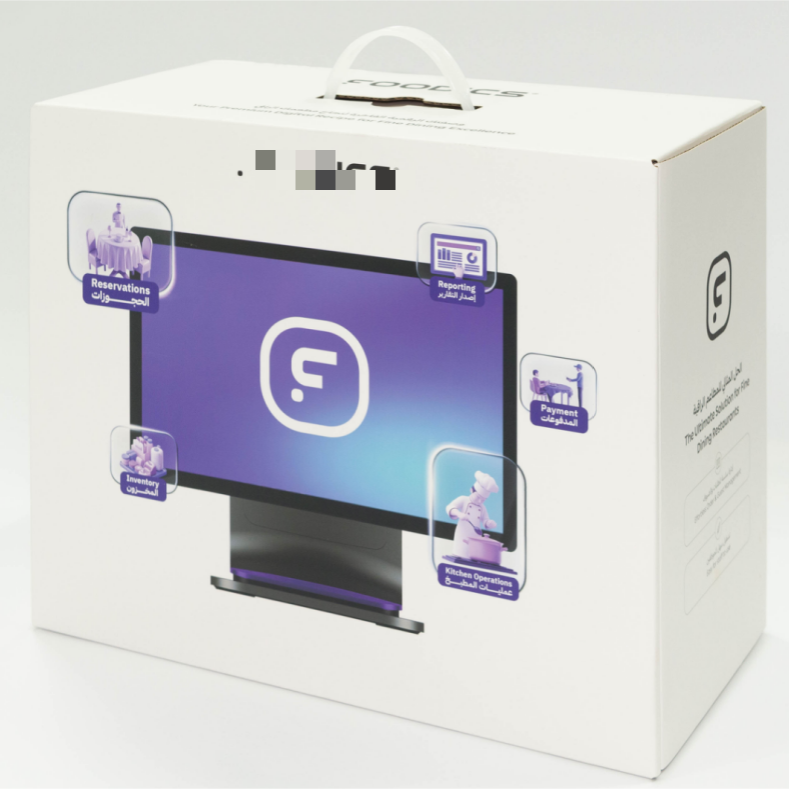
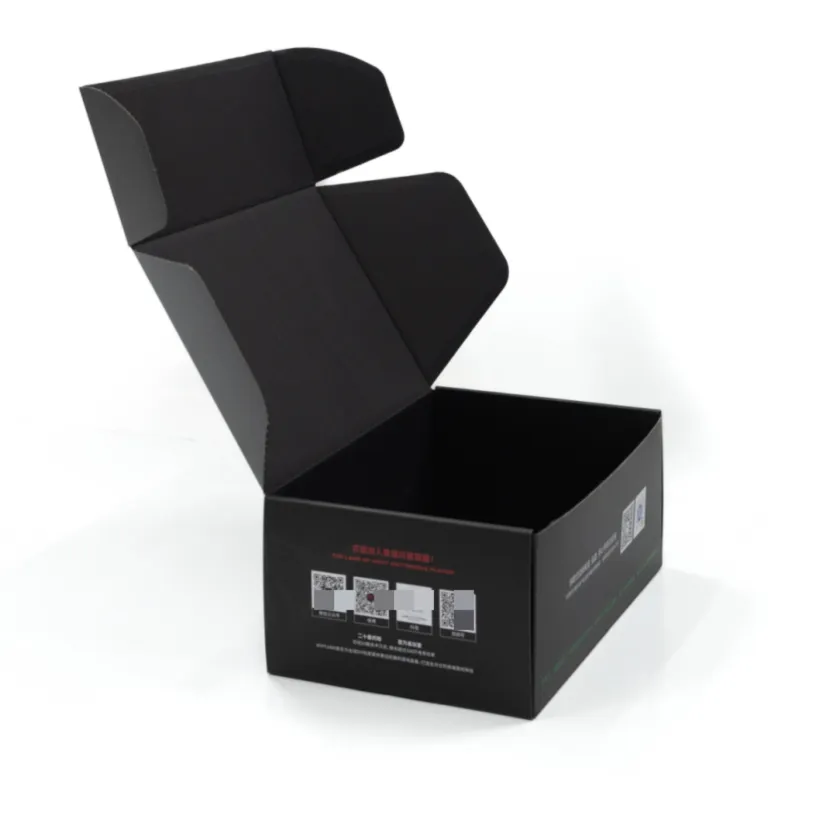
Professional Instruction Manual Design Services - User-Friendly Documentation Solutions

Get a Free Quote

Our representative will contact you soon.
Email
Name
Company Name
Message
0/1000

instruction manual design

Instruction manual design represents a comprehensive approach to creating user-friendly documentation that bridges the gap between complex products and end-user understanding. This specialized field combines technical writing expertise with visual design principles to produce clear, actionable guides that enhance user experience and reduce support costs. Modern instruction manual design incorporates multiple technological features including responsive layouts, interactive elements, multimedia integration, and accessibility standards compliance. The primary function of effective instruction manual design centers on translating complex technical information into digestible, step-by-step procedures that users can follow regardless of their technical expertise level. Contemporary instruction manual design leverages digital platforms to deliver dynamic content that adapts to different devices and user preferences. Key technological features include searchable content databases, version control systems, multilingual support capabilities, and integration with augmented reality applications. These advanced features enable instruction manual design to provide real-time updates, personalized user experiences, and contextual help systems. Applications span across industries including electronics manufacturing, software development, medical devices, automotive sectors, and consumer appliances. In manufacturing environments, instruction manual design supports assembly line workers with visual workflows and safety protocols. Software companies utilize instruction manual design to onboard new users and provide ongoing technical support through interactive tutorials. Medical device manufacturers rely on instruction manual design to ensure compliance with regulatory requirements while maintaining patient safety standards. The automotive industry employs instruction manual design for maintenance procedures, troubleshooting guides, and feature explanations. Consumer electronics brands depend on instruction manual design to reduce return rates and improve customer satisfaction scores. Modern instruction manual design also incorporates analytics capabilities to track user engagement, identify common pain points, and continuously optimize content effectiveness for better user outcomes.

New Product Recommendations

The advantages of professional instruction manual design extend far beyond simple documentation, delivering measurable business value through enhanced user satisfaction and operational efficiency. Companies implementing well-crafted instruction manual design experience significant reductions in customer support inquiries, with studies showing up to 40% fewer support tickets when users have access to clear, comprehensive guides. This reduction translates directly into cost savings for support teams while improving response times for genuine technical issues. Effective instruction manual design increases product adoption rates by removing barriers to initial use and helping customers realize full product value faster. Users who successfully navigate products through quality instruction manual design demonstrate higher retention rates and increased likelihood of recommending products to others. Professional instruction manual design also reduces liability risks by providing clear safety instructions and proper usage guidelines, protecting companies from potential legal issues related to misuse or accidents. The visual consistency achieved through systematic instruction manual design strengthens brand identity and reinforces quality perceptions among customers. Digital instruction manual design offers real-time updates and version control, ensuring users always access current information without printing or distribution costs associated with traditional paper manuals. Interactive elements within modern instruction manual design enable personalized learning paths, allowing users to focus on relevant features while skipping unnecessary sections. Search functionality embedded in digital instruction manual design helps users quickly locate specific information, reducing frustration and improving task completion rates. Analytics integration provides valuable insights into user behavior patterns, enabling continuous improvement of instruction manual design based on actual usage data. Multilingual capabilities in instruction manual design expand market reach while maintaining consistent messaging across different regions and cultures. Mobile-responsive instruction manual design ensures accessibility across devices, supporting users who prefer smartphones or tablets for reference materials. The scalability of digital instruction manual design allows companies to efficiently manage documentation for entire product portfolios while maintaining quality standards and reducing development timelines.

Tips And Tricks

Why surface finishing elevates perceived value in large gift box production?

30

Jan

Why surface finishing elevates perceived value in large gift box production?

In the competitive world of luxury packaging, manufacturers and brands constantly seek ways to differentiate their products and justify premium pricing. One of the most impactful strategies involves enhancing the surface finishing of packaging soluti...
View More
What Structural Designs Improve Load Capacity of a Hand Carry Box?

13

Feb

What Structural Designs Improve Load Capacity of a Hand Carry Box?

The structural integrity of a hand carry box determines its effectiveness in various industrial and commercial applications. Engineers and packaging designers continuously seek innovative approaches to enhance load-bearing capacity while maintaining ...
View More
Why Are Book-Shaped Magnetic Boxes Popular in High-End Packaging?

13

Feb

Why Are Book-Shaped Magnetic Boxes Popular in High-End Packaging?

In the competitive landscape of luxury packaging, book-shaped magnetic boxes have emerged as a sophisticated solution that combines aesthetic appeal with functional excellence. These innovative packaging designs mimic the classic appearance of hardco...
View More
Why Is a Kraft Box Preferred for Eco-Friendly Packaging Solutions?

13

Feb

Why Is a Kraft Box Preferred for Eco-Friendly Packaging Solutions?

In today's environmentally conscious marketplace, businesses are increasingly seeking sustainable packaging alternatives that align with consumer expectations and regulatory requirements. The kraft box has emerged as a leading solution for companies ...
View More

Get a Free Quote

Our representative will contact you soon.
Email
Name
Company Name
Message
0/1000

instruction manual design

Interactive Multimedia Integration

Interactive Multimedia Integration

Modern instruction manual design revolutionizes traditional documentation through sophisticated multimedia integration that transforms static text into engaging, interactive experiences. This advanced approach combines high-resolution images, instructional videos, animated demonstrations, and interactive hotspots to create comprehensive learning environments that cater to different learning styles and preferences. Video integration within instruction manual design enables users to observe procedures in real-time, reducing ambiguity and improving comprehension rates significantly compared to text-only instructions. Interactive diagrams allow users to explore product components through clickable elements, revealing detailed information about specific parts or functions without overwhelming the main interface. Animation sequences embedded in instruction manual design break down complex processes into manageable steps, making intricate procedures accessible to users with varying technical backgrounds. Voice narration capabilities enhance accessibility for users with visual impairments while supporting multitasking scenarios where hands-free guidance proves beneficial. Augmented reality features in cutting-edge instruction manual design overlay digital instructions onto physical products through smartphone cameras, providing contextual guidance that eliminates confusion about part identification or assembly orientation. Interactive quizzes and knowledge checks integrated into instruction manual design help users verify their understanding before proceeding to subsequent steps, reducing errors and building confidence. Progressive disclosure techniques allow users to access additional detail levels on demand, maintaining simplicity for basic tasks while providing comprehensive information for advanced users. These multimedia elements work synergistically to create instruction manual design that adapts to individual user needs, dramatically improving completion rates and user satisfaction. The technology behind multimedia integration includes responsive design frameworks, content delivery networks for optimal loading speeds, and compatibility testing across multiple devices and browsers to ensure consistent experiences regardless of user hardware or software configurations.
Personalized User Experience Optimization

Personalized User Experience Optimization

Personalized user experience optimization represents a groundbreaking advancement in instruction manual design that leverages artificial intelligence and machine learning algorithms to deliver customized guidance tailored to individual user characteristics, skill levels, and specific product configurations. This intelligent approach to instruction manual design analyzes user behavior patterns, progress tracking data, and preference settings to dynamically adjust content presentation, complexity levels, and recommended pathways through documentation. Advanced instruction manual design systems incorporate user profiling capabilities that identify technical expertise levels through initial assessments or historical interaction data, automatically filtering content to display appropriate detail levels while maintaining access to comprehensive information when needed. Adaptive learning algorithms within sophisticated instruction manual design platforms track user success rates across different instruction types, identifying optimal presentation methods for individual users and continuously refining recommendations for improved outcomes. Contextual assistance features in personalized instruction manual design provide real-time suggestions based on user location within the documentation, current task progress, and historical patterns of where users typically encounter difficulties. Smart search functionality goes beyond basic keyword matching to understand user intent, providing relevant results even when queries use non-technical language or incomplete descriptions. Bookmark and annotation systems allow users to create personalized reference libraries within instruction manual design platforms, enabling quick access to frequently referenced sections and personal notes for complex procedures. Progress tracking dashboards help users monitor completion status across multiple tasks or products, providing motivation through achievement systems and identifying areas where additional support might be beneficial. Integration with user account systems enables instruction manual design to maintain preferences and progress across devices, ensuring seamless experiences whether users access documentation through desktop computers, tablets, or smartphones. These personalization features create instruction manual design that evolves with user needs, improving efficiency and reducing frustration while building long-term engagement with product documentation systems.
Analytics-Driven Continuous Improvement Framework

Analytics-Driven Continuous Improvement Framework

The analytics-driven continuous improvement framework embedded within modern instruction manual design establishes a sophisticated feedback loop that transforms user interaction data into actionable insights for ongoing documentation enhancement and optimization. This comprehensive approach to instruction manual design measurement and refinement utilizes advanced tracking technologies, heat mapping capabilities, and user journey analysis to identify specific areas where users struggle, succeed, or abandon tasks entirely. Detailed analytics within instruction manual design platforms capture granular data points including time spent on individual sections, click-through rates for interactive elements, search query patterns, and completion rates for multi-step procedures. Heat mapping technology reveals which areas of instruction manual design pages receive the most attention, helping content creators understand visual scanning patterns and optimize layout decisions for improved information hierarchy. User flow analysis tracks the paths users take through instruction manual design documentation, identifying common deviations from intended sequences and highlighting opportunities to streamline navigation or provide additional cross-references. A/B testing capabilities enable instruction manual design teams to experiment with different presentation methods, content organization approaches, and interactive element placements to determine optimal configurations for specific user segments. Real-time feedback collection systems integrated into instruction manual design platforms gather qualitative insights through targeted surveys, rating systems, and comment functionality, providing context for quantitative analytics data. Machine learning algorithms analyze patterns across large user datasets to predict potential problem areas in new instruction manual design content before publication, enabling proactive optimization rather than reactive fixes. Automated reporting dashboards present analytics findings in actionable formats, highlighting trends, identifying urgent issues, and suggesting specific improvement opportunities for instruction manual design content. Integration with customer support systems correlates documentation usage patterns with support ticket trends, helping identify gaps in instruction manual design coverage that may be driving support inquiries. This data-driven approach ensures that instruction manual design continuously evolves based on actual user needs and behaviors rather than assumptions, resulting in documentation that becomes more effective over time while reducing overall support costs and improving user satisfaction metrics across all product touchpoints.

Get a Free Quote

Our representative will contact you soon.
Email
Name
Company Name
Message
0/1000

Copyright © 2026 Shenzhen Zhongcheng Paper Products Co., Ltd. All rights reserved.  -  Privacy policy